


Miner Road
April 27, 2020
Faulkner Architects projected the house for a couple of environmental scientists and their two sons in Orinda, California.
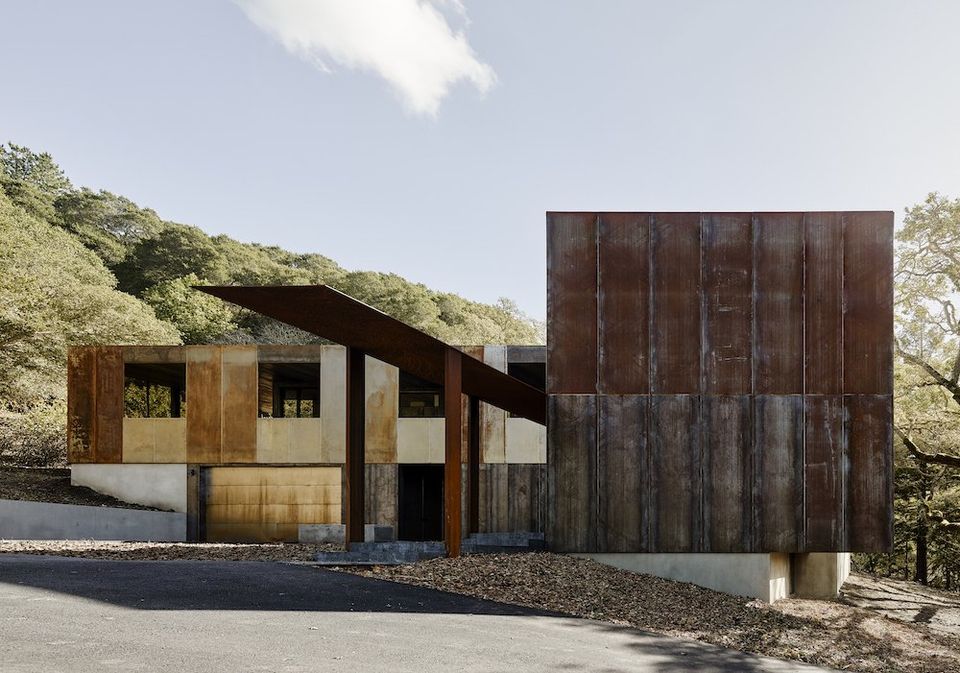
The clients relocated from the Oakland Hills to the warmer climate of Orinda. Their commitment to sustainability, including a request for net-zero energy performance annually, was evident in their thinking throughout the design process. A three-bedroom program began as a remodel of a 1954 ranch house at the foot of a hill next to a seasonal creek. After finding the existing structure and soils to be unsuitable, the direction settled on reusing the existing footprint under the shade of a Valley Oak that had grown up close to the original house. The surviving portion of the original house is the fireplace which was wrapped in concrete and utilized for structural support. This made additional grading unnecessary and allowed the new house to maintain the same intimate relation to the old oak.
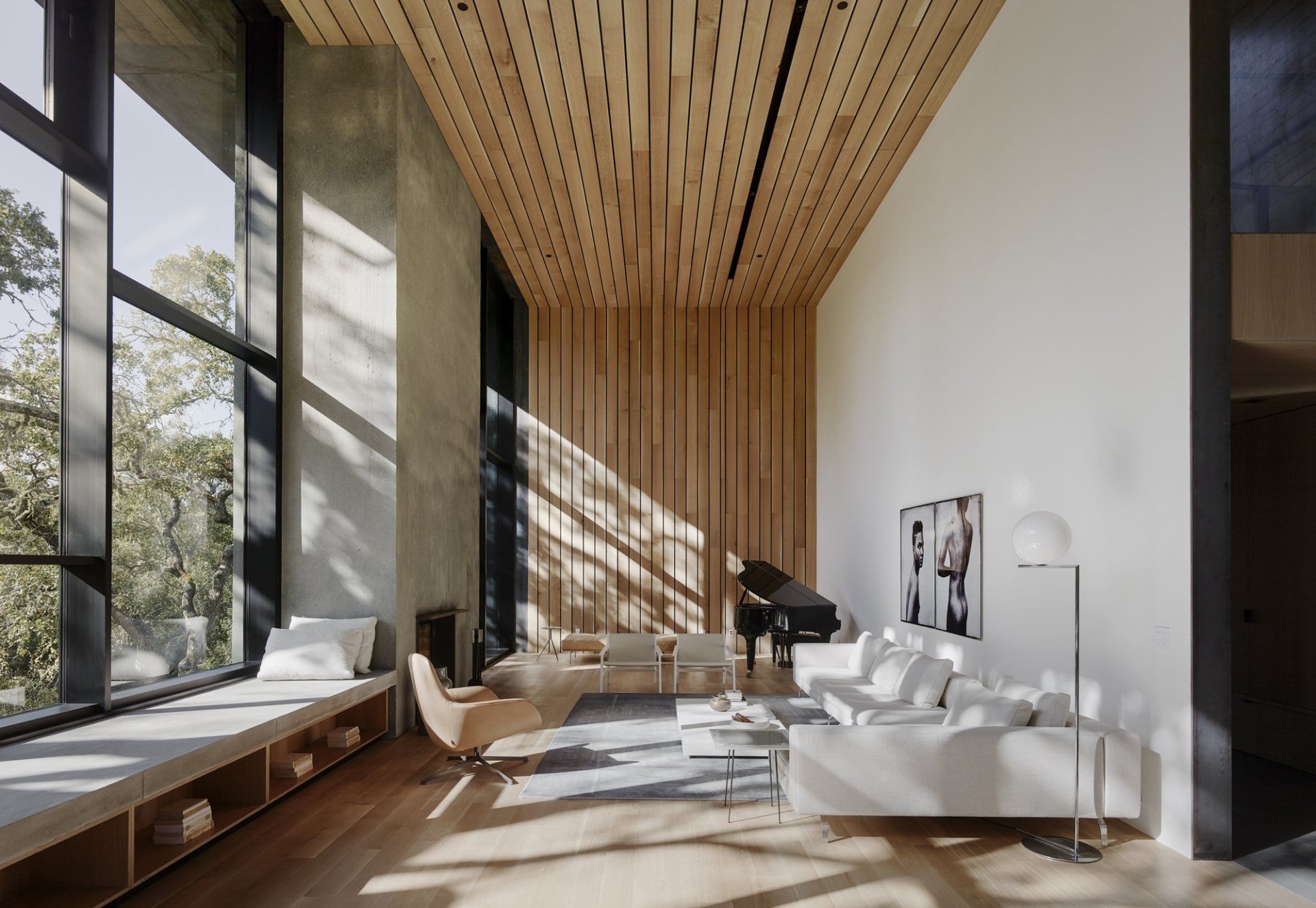
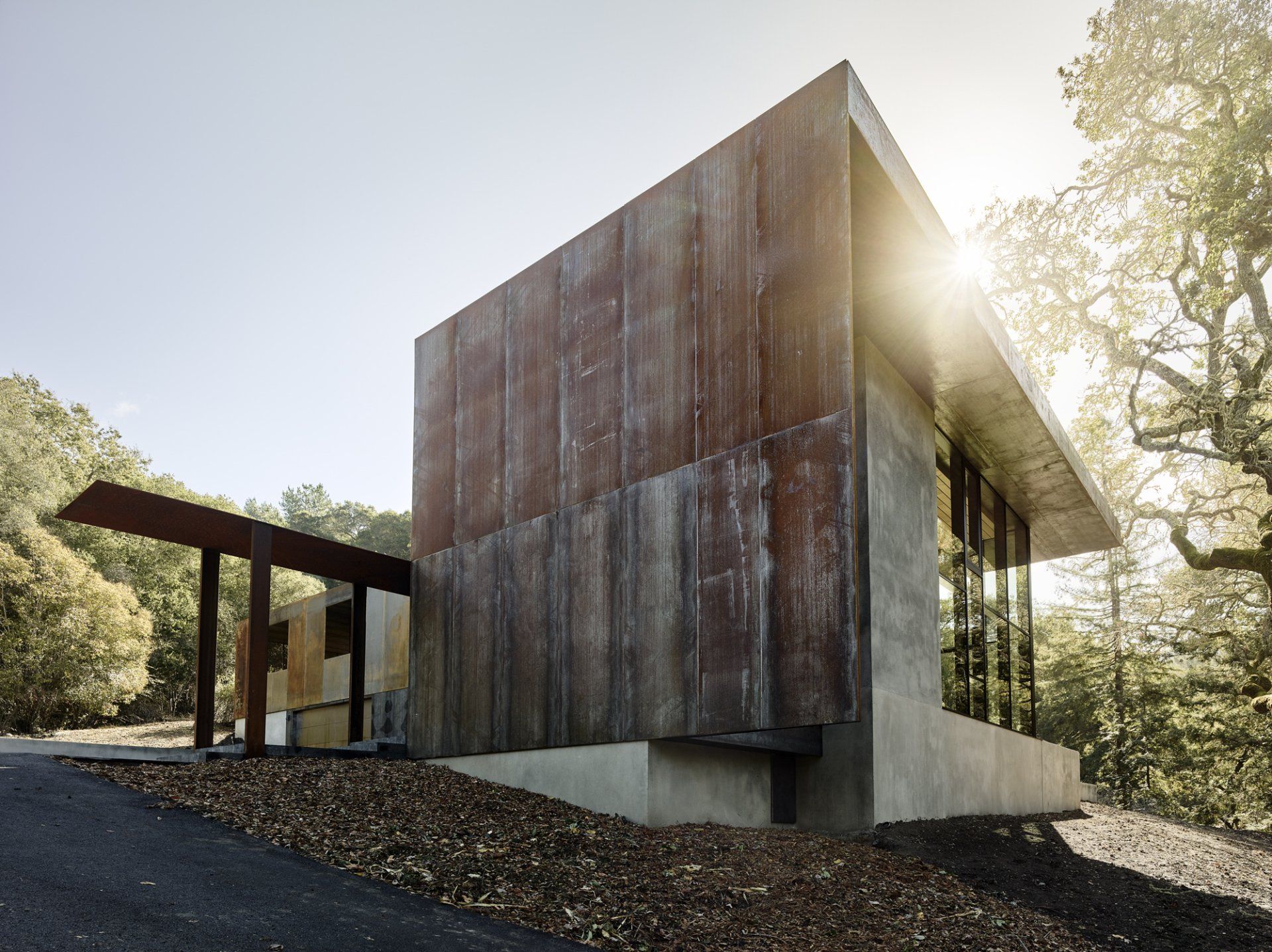
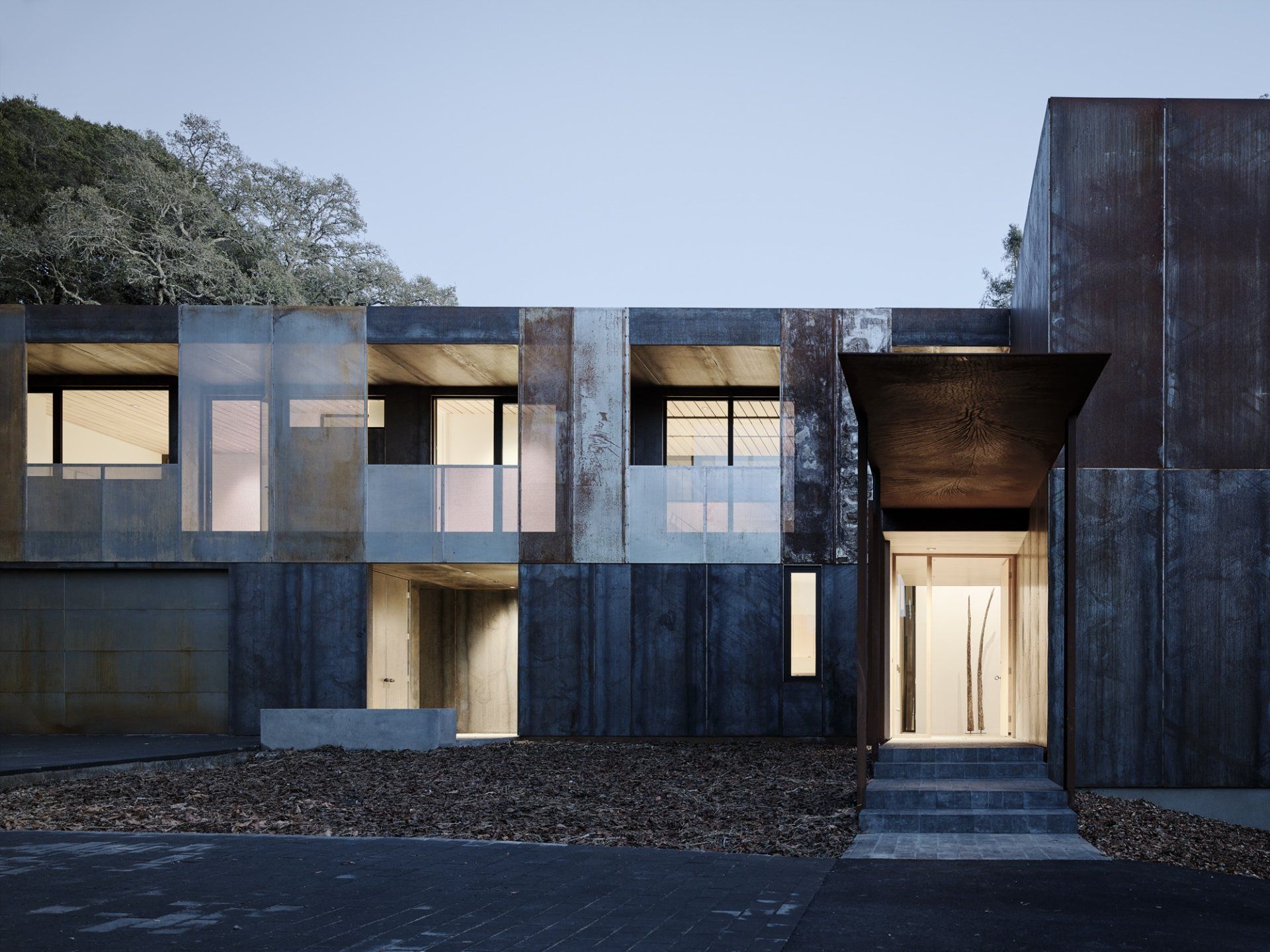
Construction materials and methods were considered in balance between first and lifecycle costs. The Corten steel rain screen for the exterior skin and interior wood were chosen to take advantage of zero annual maintenance cost and a shotcrete foundation allowed formwork to be repurposed for wood framing.
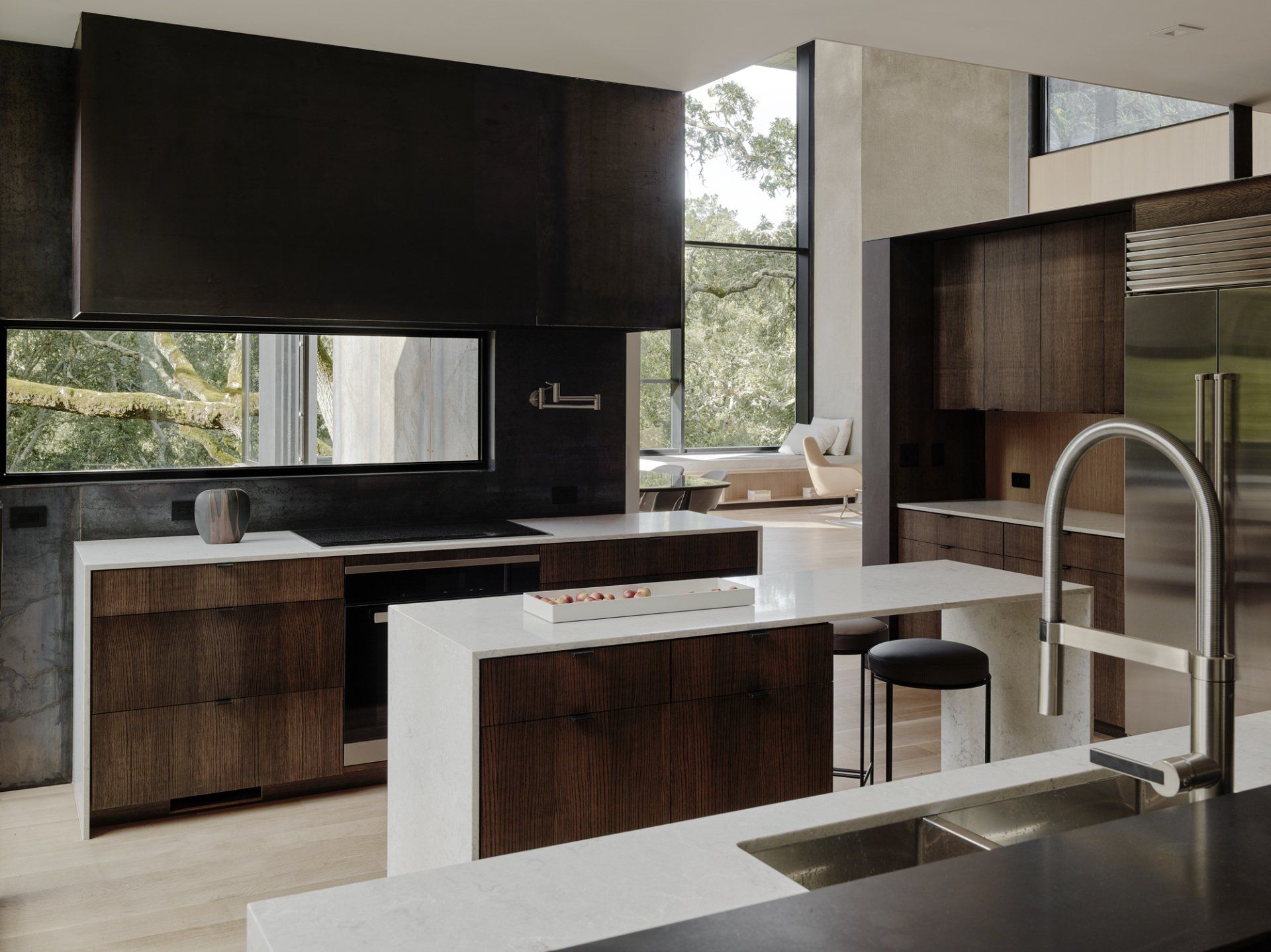
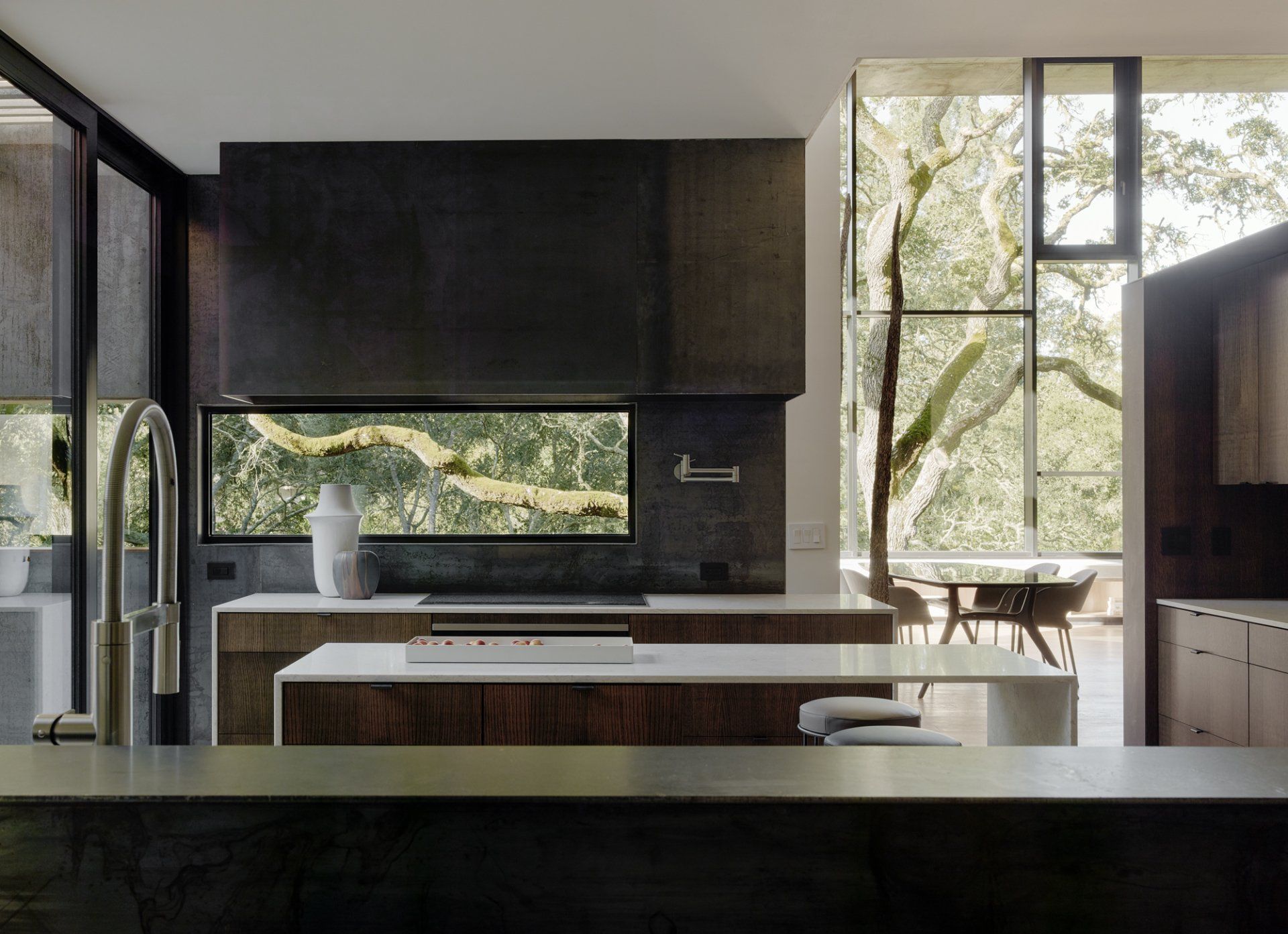
Downstairs, secondary bedrooms along an extendable hallway, wrap an outdoor dining area situated between the kitchen and family room.
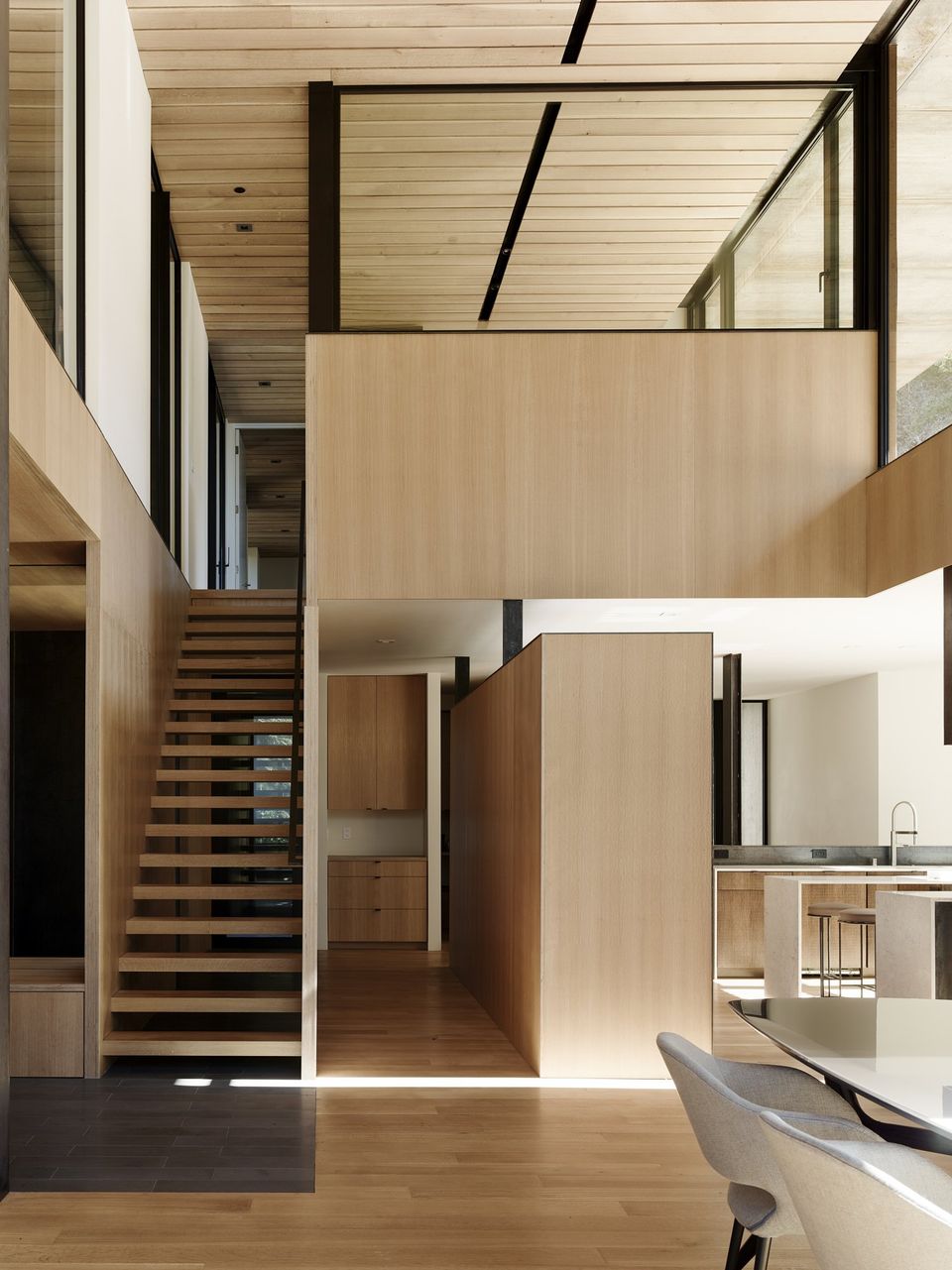
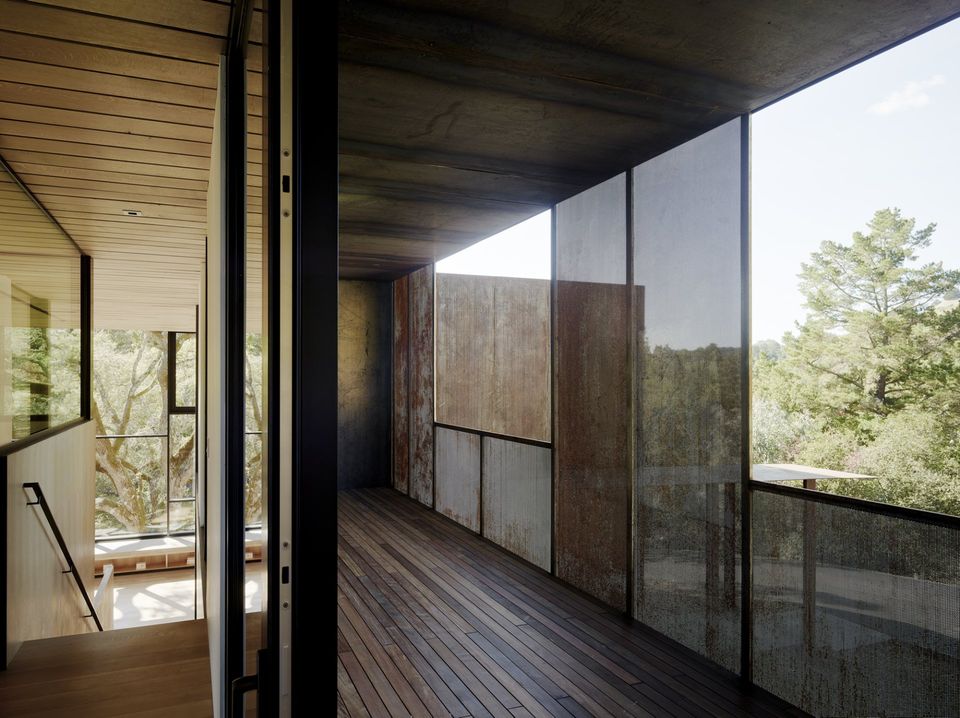
The family desired an open living layout that connected directly to the landscape. A mezzanine plan evolved with a double height family space nested with a master bedroom and study stacked above the kitchen and nook. A screened pacing deck for long phone calls shades the upper level from afternoon summer sun.
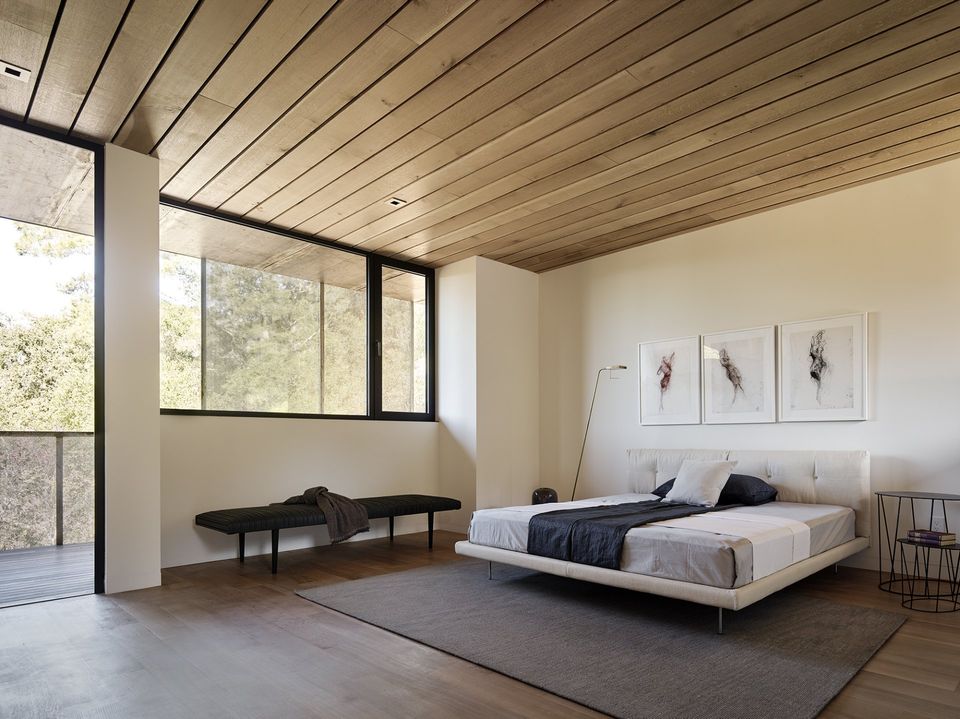
Single use material selections such as the Corten steel and shotcrete foundation reduced complexity in detailing and labor costs allowing a larger portion of the budget to be reallocated for upgraded mechanical, insulation, and glazing systems. The same attitude for interior finishes produced acoustically insulated, unfinished oak ceilings and walls. The sum total of the limited and landscape-driven materials presents a relaxed and quiet built environment that allows the senses to focus on the natural environment. A haptic connection to the rhythms of our planet is evident.
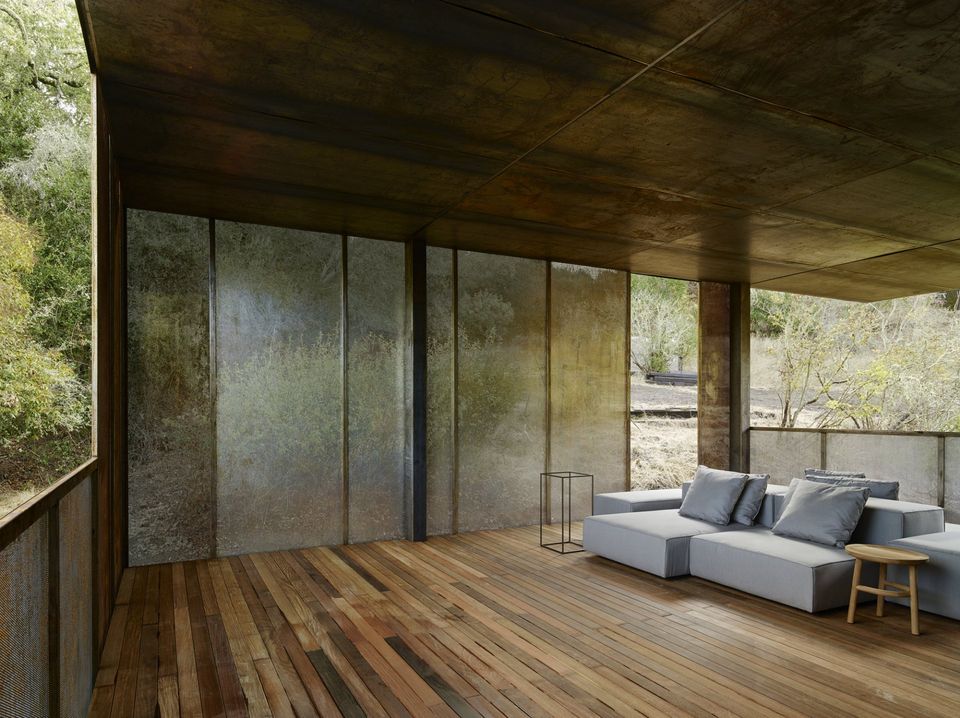
A 14-gauge Corten rain screen provides a no-maintenance skin. High levels of insulation and glazing efficiency reduce heating and cooling loads. An 8.1kW photovoltaic system provides on-site renewable energy and produced more electrical energy than the house used the first year. Rainwater is collected via a waterfall from the roof at the end of the hallway. Buried tanks store water for use in toilets and laundry. Greywater is collected separately and reused for irrigation. Electronically commutated motors and variable speed heat pumps are used to further limit energy use and control heating and cooling. An energy
recovery ventilator is used to provide fresh air.
recovery ventilator is used to provide fresh air.
Photography by Joe Fletcher
www.faulknerarchitects.com
SHARE THIS
Contribute
G&G _ Magazine is always looking for the creative talents of stylists, designers, photographers and writers from around the globe.
Find us on
Latest News
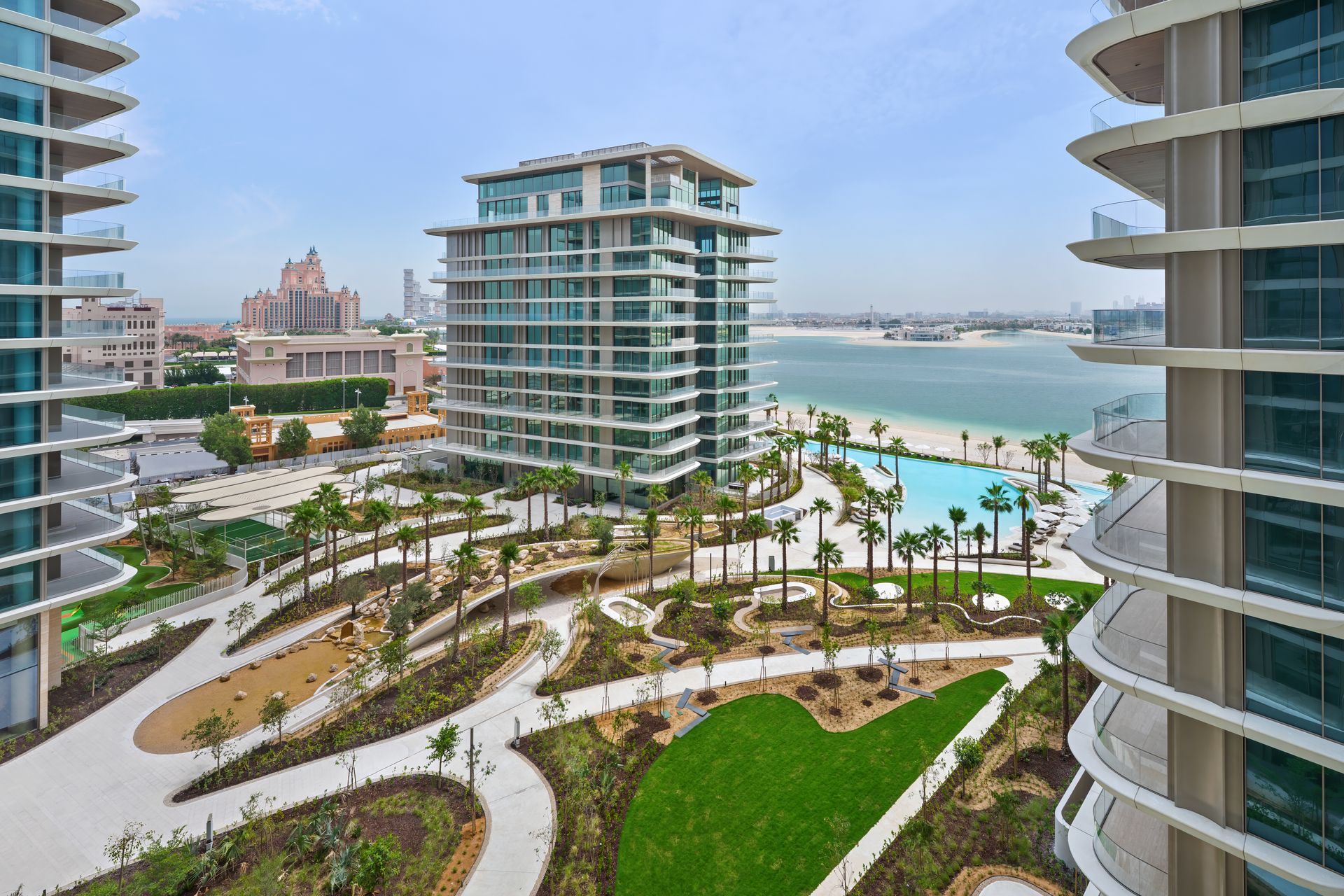
With nearly four decades of experience in the Middle East, Godwin Austen Johnson approaches architecture through a deep understanding of context, climate, culture and the commercial realities that shape the built environment. This perspective is expressed in Serenia Living, the practice’s completed luxury residential development on Palm Jumeirah and winner of the 2026 Luxury Lifestyle Awards for Best Luxury Apartment Architecture in Dubai, UAE .

Ten years after its launch in Milan, Contract District Group enters a new phase of growth, combining interior design expertise, proprietary technology and artificial intelligence to reshape furniture distribution across contract and retail markets.
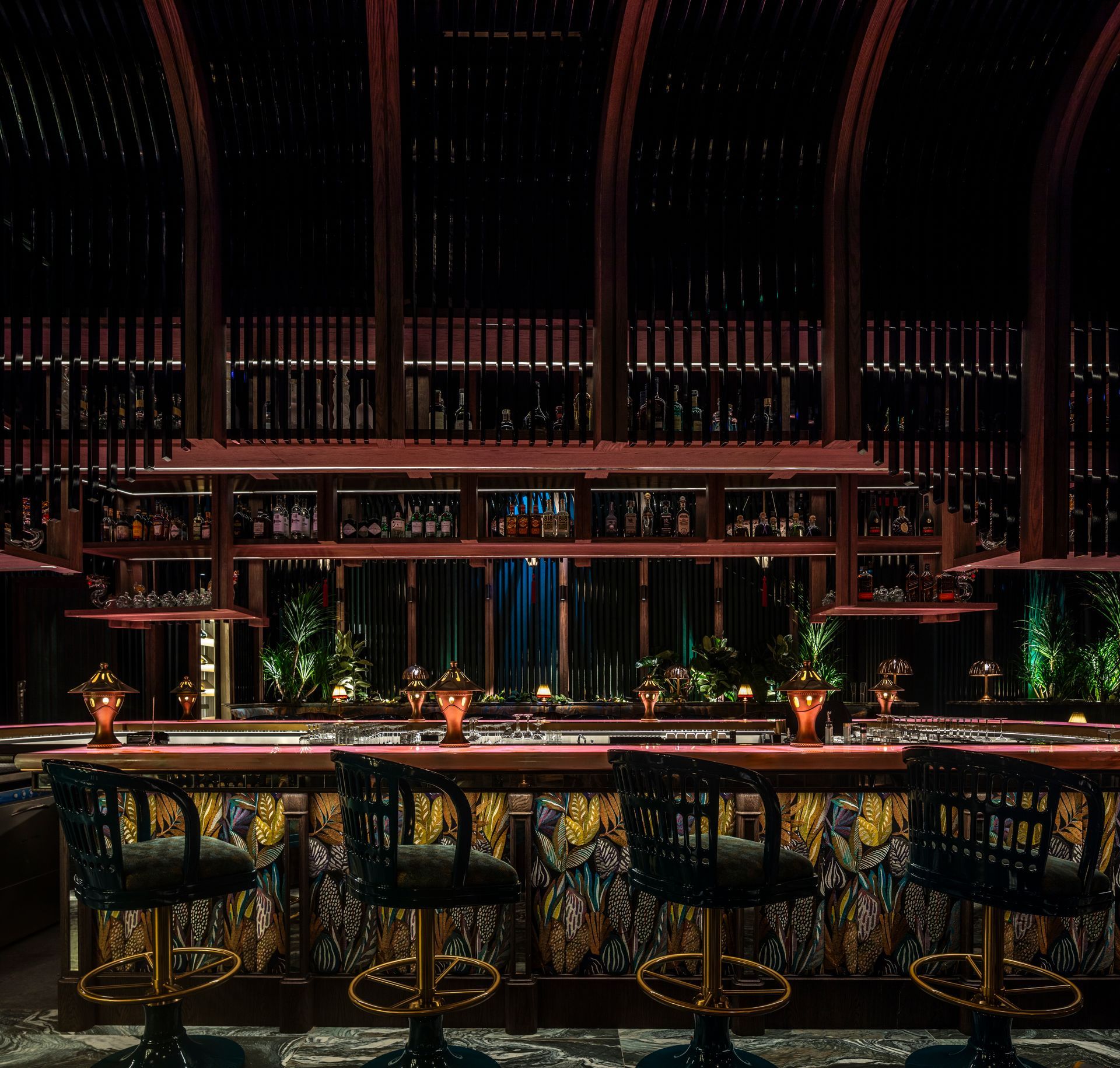
Studio WYZE, the interior design firm with studios in London and Zurich, projected TATTU Dubai of Permanently Unique Group, located within the world’s tallest hotel Ciel Dubai Marina .

From 12 to 20 September 2026, the eighth edition of Lake Como Design Festival unfolds across Como, Lake Como and, for the first time, Lecco, bringing exhibitions, installations and new collaborations under the theme “ Border ”.
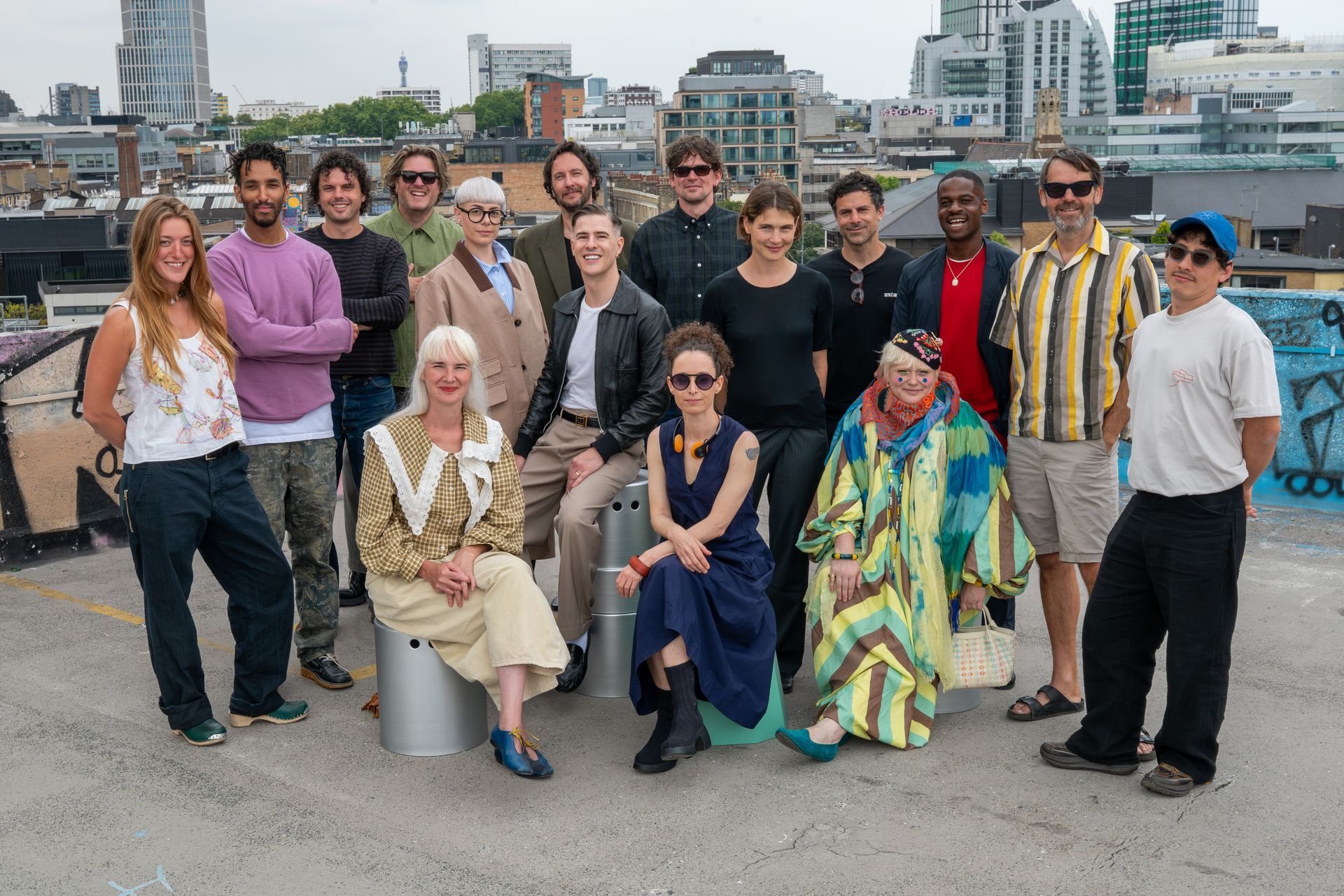
Running from 15 to 20 September 2026 Shoreditch Design Week brings together more than 100 showrooms, exhibitions, installations and events across LDF’s largest design district. This year's programme expands with the addition of Material Matters at Unlocked, ND Selects at Kachette and Neuroplaces alongside returning favourites including Design at Work, Isola Design, 2LG Studio and Raw Collaborative at House of Icon further cementing Shoreditch's reputation as a leading destination for contemporary design.
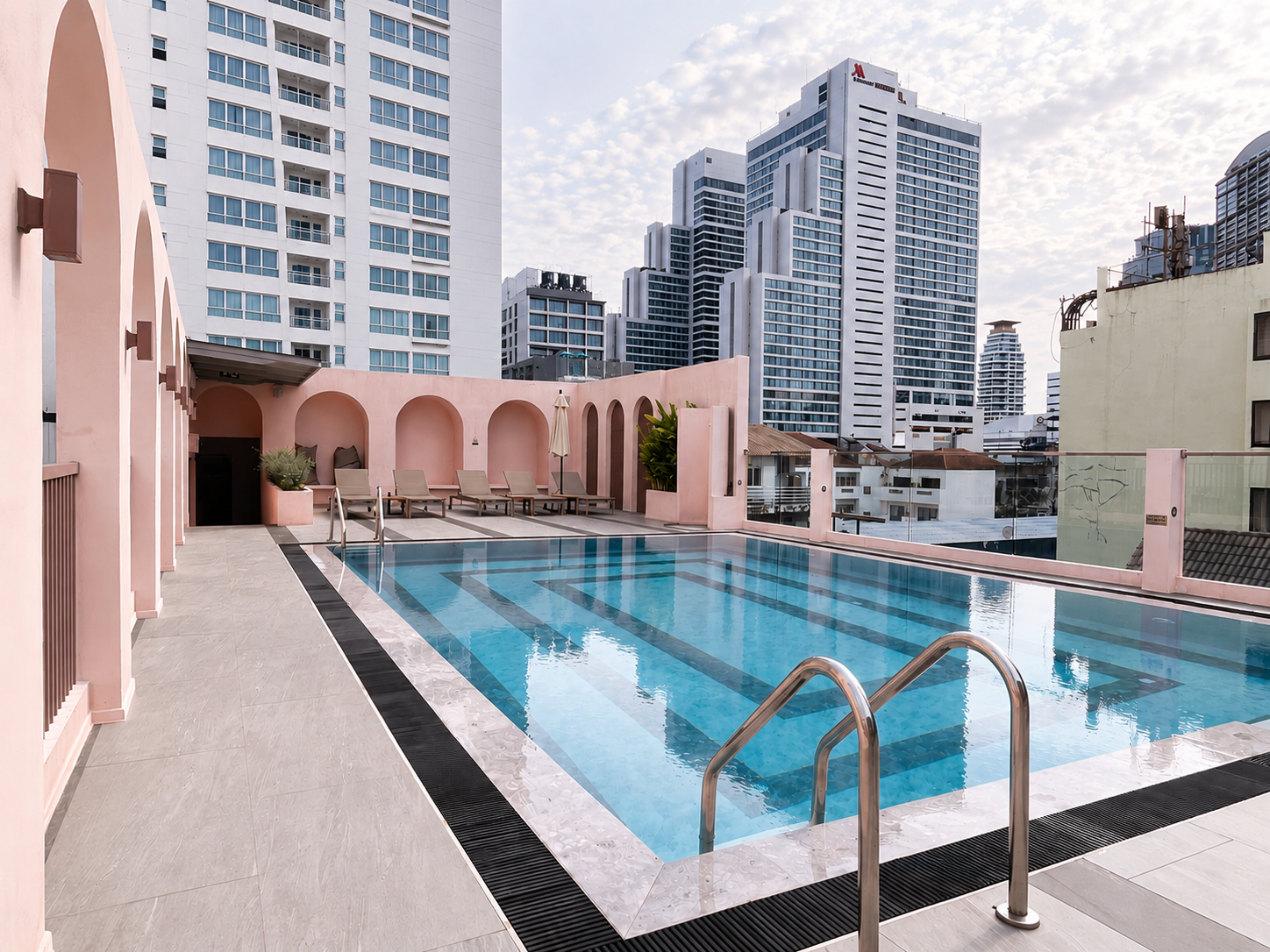
In the vibrant Sukhumvit district, tender pink, graceful arches and refined minimalist design come together at Away Sukhumvit Bangkok , creating a playful yet sophisticated retreat for the modern traveler.
Subscribe
Keep up to date with the latest trends!
Popular Posts

From AI and mass production to materials and responsibility, the 21st Tallinn Design Festival explores the future of product design through exhibitions, talks and events across Estonia’s capital, from 28 September to 4 October 2026.
Studio WYZE, the interior design firm with studios in London and Zurich, projected TATTU Dubai of Permanently Unique Group, located within the world’s tallest hotel Ciel Dubai Marina .
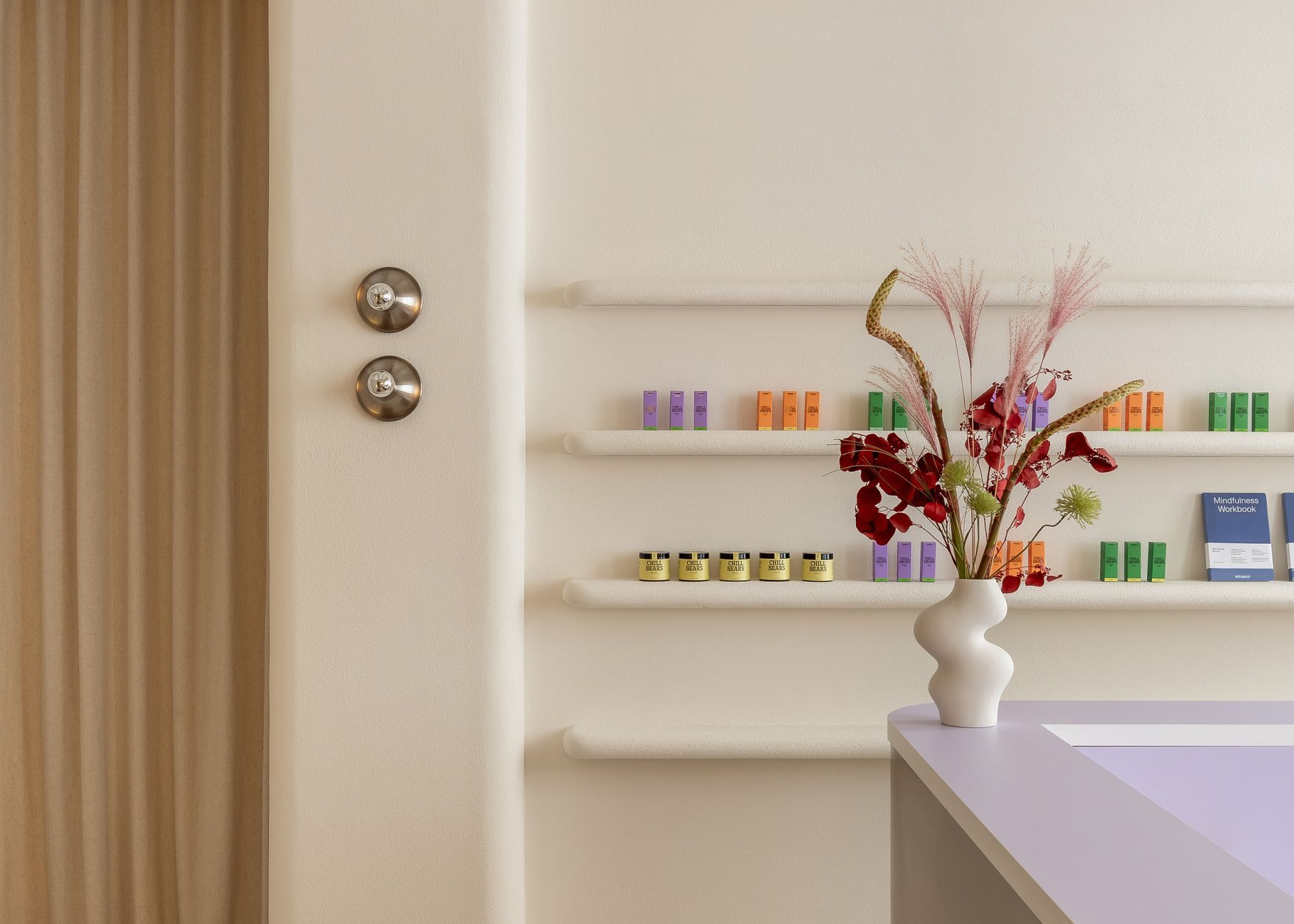
In Kyiv, Ater Architects projected Integral Fitness Studio , seamlessly integrated with G.Bar , as a contemporary environment where movement, beauty and holistic wellbeing come together.