


MENU: Bodo Sperlein’s Architectural Choreography Inside a Sacred Space
During Milan Design Week, where the city becomes an intricate map of overlapping visions and fleeting installations, Bodo Sperlein delivers a moment of rare coherence and depth with MENU exhibition that transcends the conventional boundaries of design to inhabit architecture as a living, breathing entity.
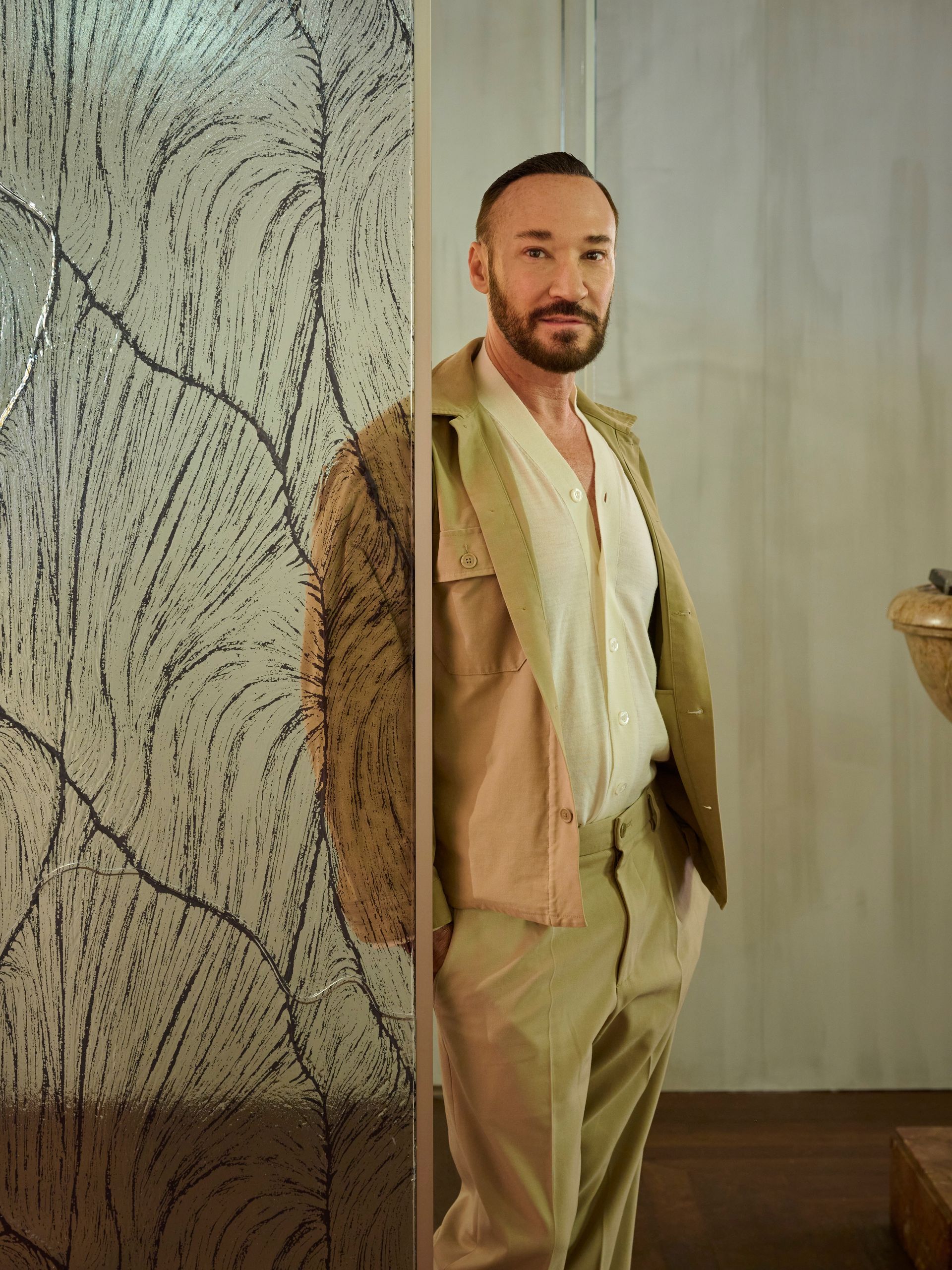
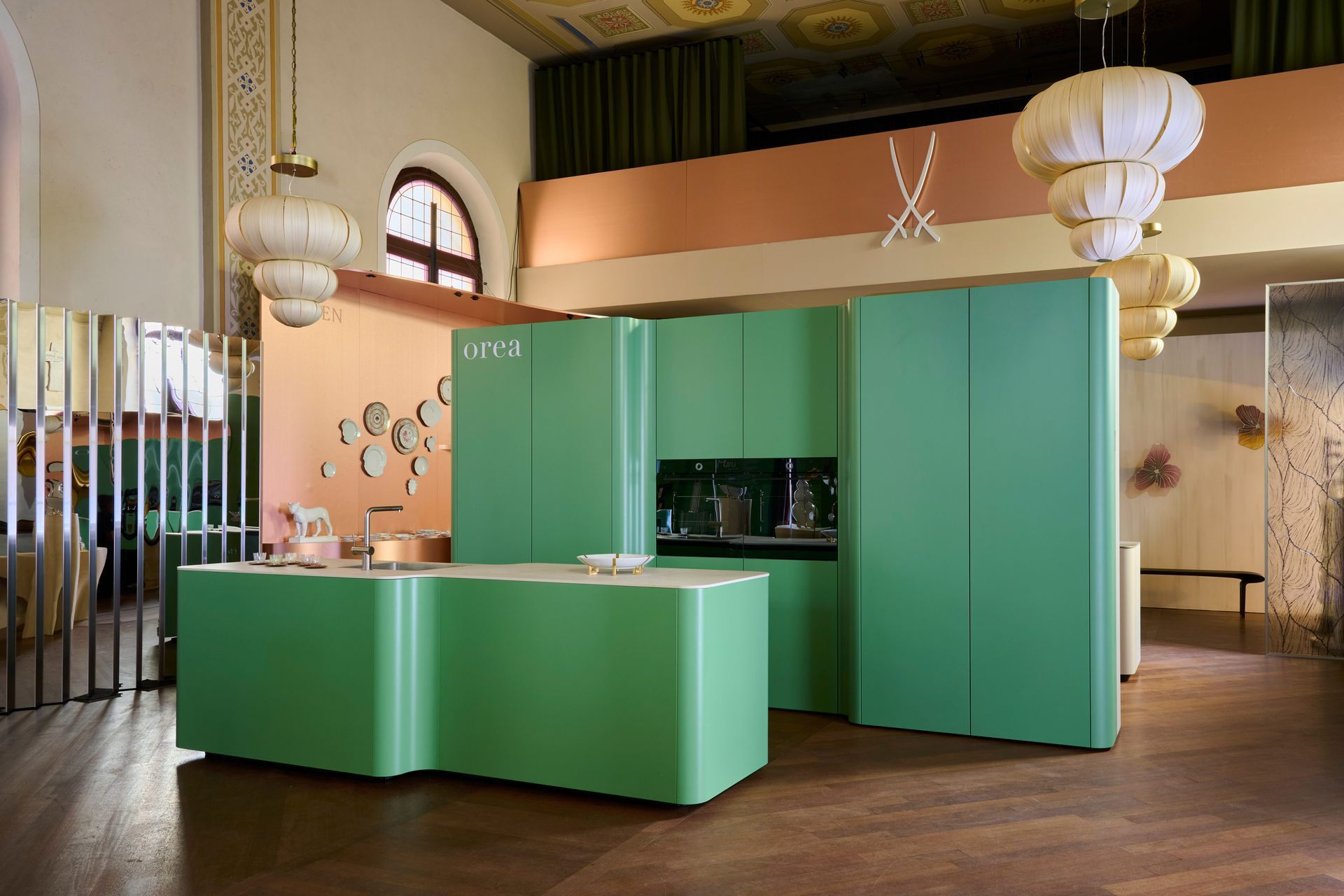
Set within the historic All Saints Anglican Church in the heart of Brera, MENU Exhibition unfolds as an immersive spatial narrative where material, light and form converge into a singular, orchestrated experience, bringing together leading international design houses such as MEISSEN, LZF Lamps, Lobmeyr, Orea, Garpa, Gravelli, Morath and Van Treeck.
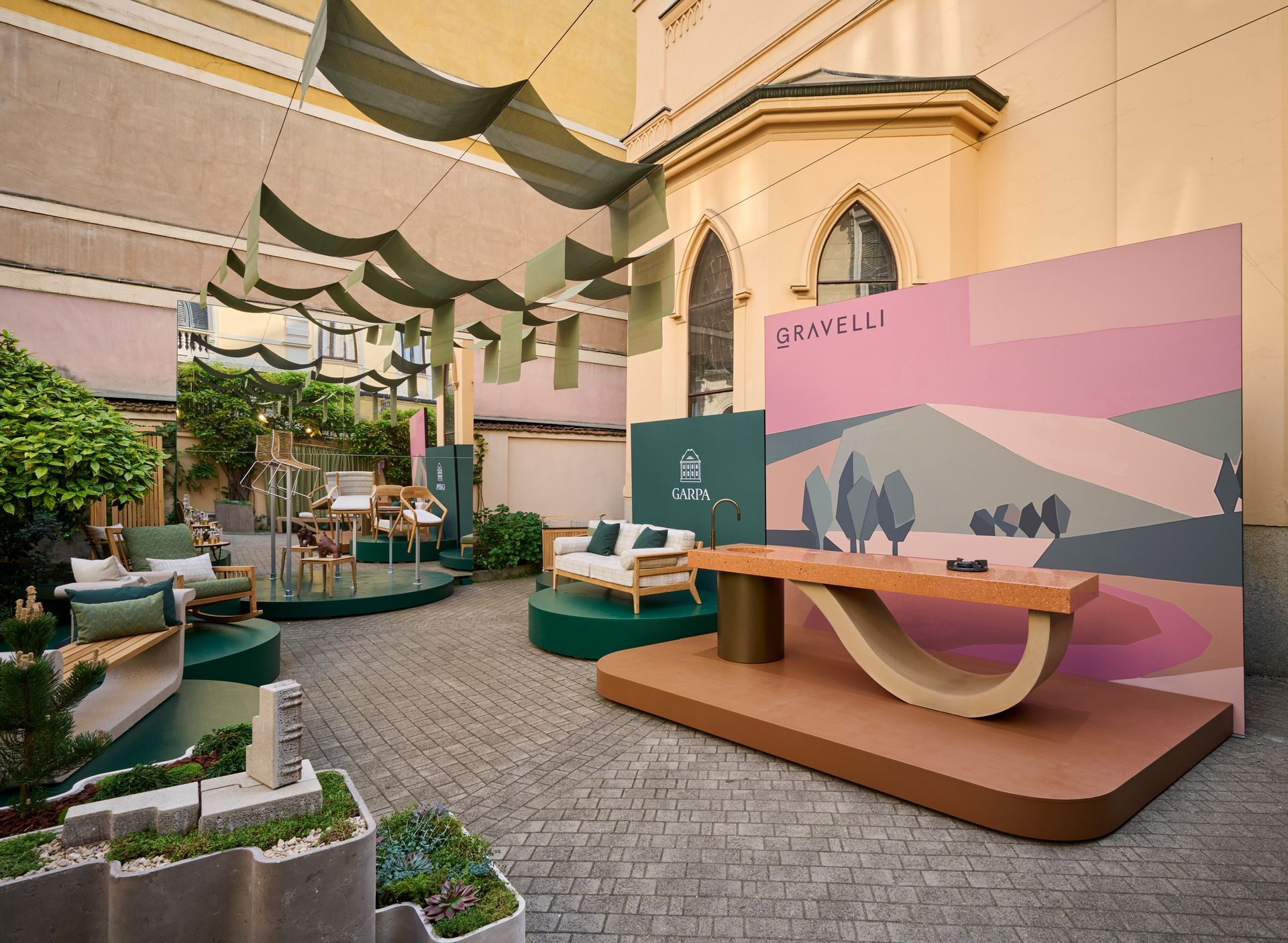
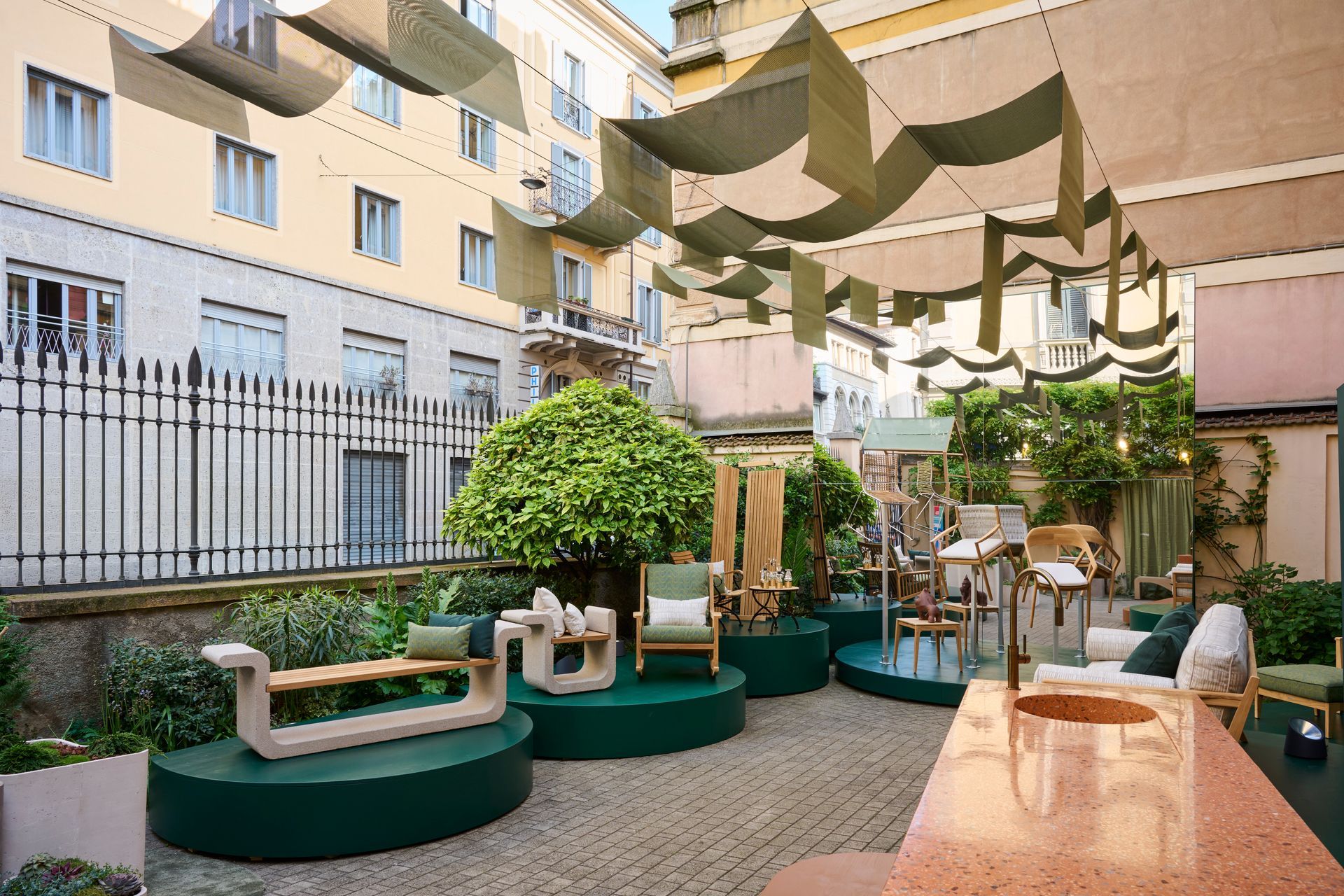
At the enrance, Garpa introduces a softer counterpoint through high-performance jacquard textiles where pattern, rhythm and natural reference converge into tactile landscapes designed for outdoor living, complemented by the Arcus seating system in collaboration with Gravelli where concrete and teak establish a dialogue between strength and warmth.
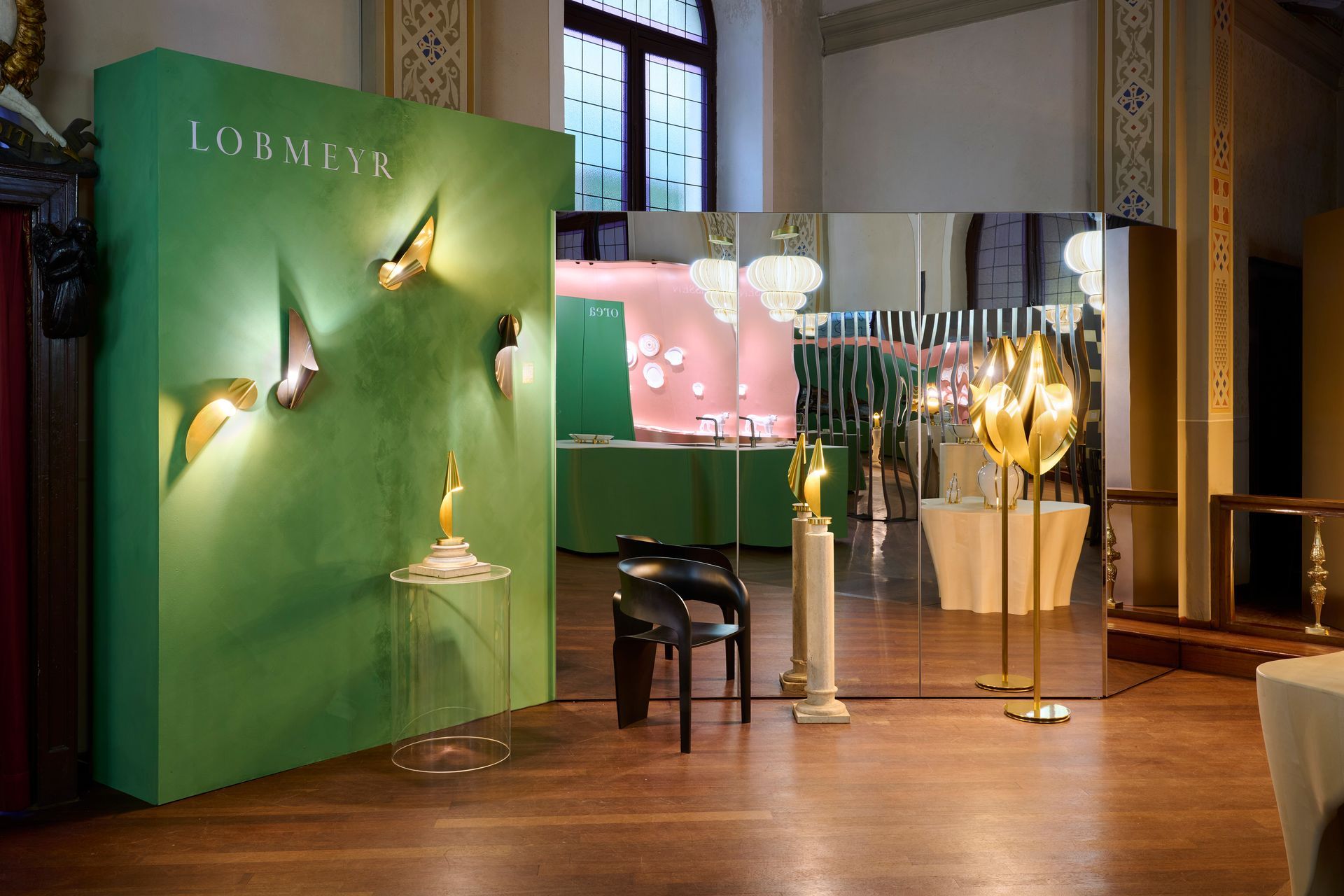
Sperlein’s Orchid Collection, developed with
Lobmeyr, pushes the language of lighting into sculptural territory: brass forms unfold like botanical structures, embodying a philosophy in which objects are conceived as enduring artefacts rather than transient products, echoing Lobmeyr’s long-standing legacy of innovation in lighting since its historic collaboration with Thomas Edison.
The Arabesque lamp by LZF Lamps stands as a suspended sculptural gesture, its flowing wooden structure filtering light into warm, organic rhythms inspired by Andalusian architectural heritage. Elsewhere, material experimentation extends into new territories. Orea’s S2-Line kitchen further dissolves domestic boundaries, presenting the kitchen as a continuous architectural volume defined by precision, restraint and seamless integration into living space. Morath contributes with bespoke stainless-steel installations that manipulate reflection, depth and perception, transforming surfaces into shifting optical fields that constantly reconfigure the viewer’s experience of space.
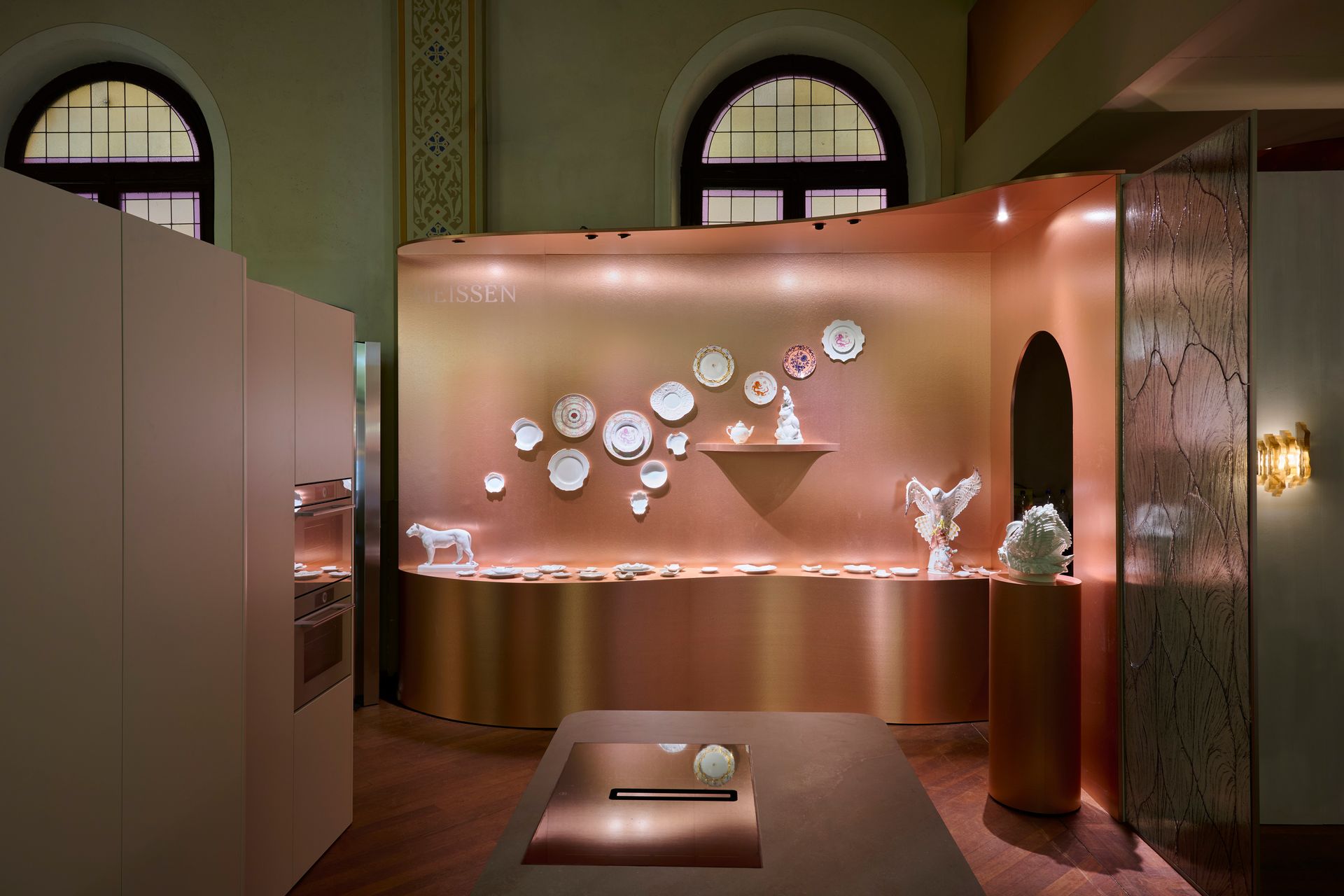
MEISSEN reinterprets porcelain through the Phoenix and Edifice collections, dissolving the boundary between decorative object and architectural element, where fragmentation, structure and ornament coexist within a single formal language rooted in centuries of craftsmanship.
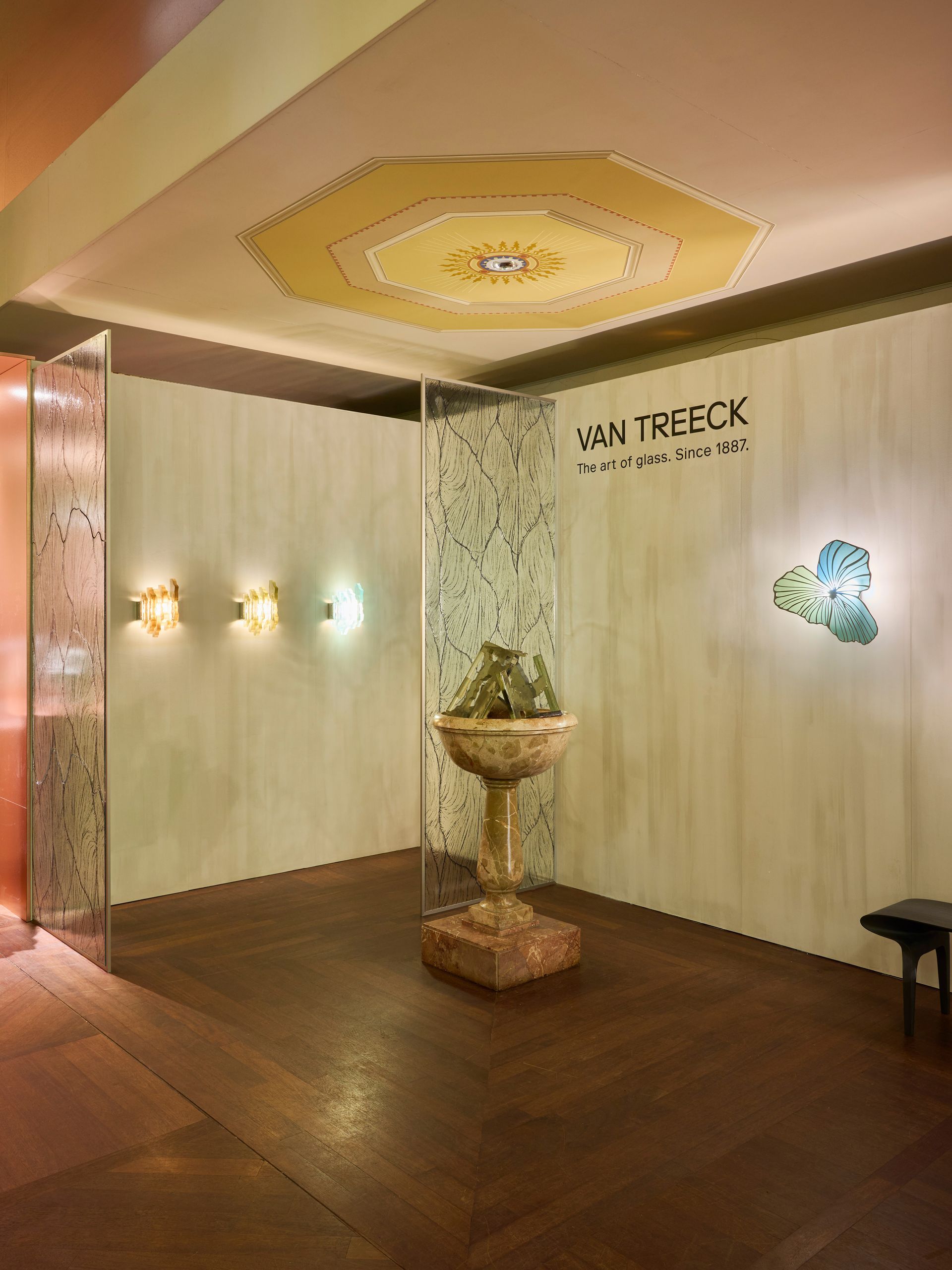
Glass, in collaboration with Van Treeck, introduces a further layer of spatial complexity. The Bloom, Arctic and Veil series transform transparency into architecture, where light is captured, refracted and redefined across surfaces that behave almost like atmospheric membranes.
Through MENU exhibition, Bodo Sperlein dissolves the hierarchy between object and environment, proposing instead a holistic vision in which architecture, design and material are inseparable. Within the silent grandeur of the church, design is no longer displayed but it's inhabited.
SHARE THIS
Contribute
G&G _ Magazine is always looking for the creative talents of stylists, designers, photographers and writers from around the globe.
Find us on
Latest News

Subscribe
Keep up to date with the latest trends!
Popular Posts