

Matter in Motion at CIFF Guangzhou 2026
Held in two phases, from March 18–21 and March 28–31 at the Canton Fair Complex, the 57th edition of CIFF demonstrated how design is no longer something merely displayed but something to be fully experienced through the senses: deconstructed,
re-engineered and ultimately redefined in its deepest essence: matter.
Entering CIFF feels less like attending a trade fair and more like stepping into a vast, hyper-synchronized ecosystem where scale, vision, and industrial precision converge with an almost disarming clarity. With an exhibition area spanning 850.000 m², 90 halls, over 5.100 brands from 36 countries, and an astonishing 353.106 professional visitors from 185 regions, including 64.291 international attendees, the fair doesn’t just confirm its global relevance - it asserts dominance. And yet, beyond the numbers, what truly sets CIFF apart is its unmistakable forward thrust into research and technology, positioning China not only as the world’s manufacturing powerhouse but as an increasingly authoritative creative force.
Navigation remains fluid despite the enormity, a testament to an organizational intelligence that mirrors the precision of the products on display. CIFF stands out for its ability to encompass the entire furniture supply chain, further articulated through its three major exhibitions Home Furniture, Office & Commercial Space and CIFM/interzum guangzhou, spanning from raw production to high-level design, from contract solutions to evolving office landscapes. Unlike many fairs, where conceptual design often overshadows production realities, here industrial scalability is not a compromise but a foundation. Mass production becomes the infrastructure upon which aesthetic refinement, technological innovation, and material experimentation are built.
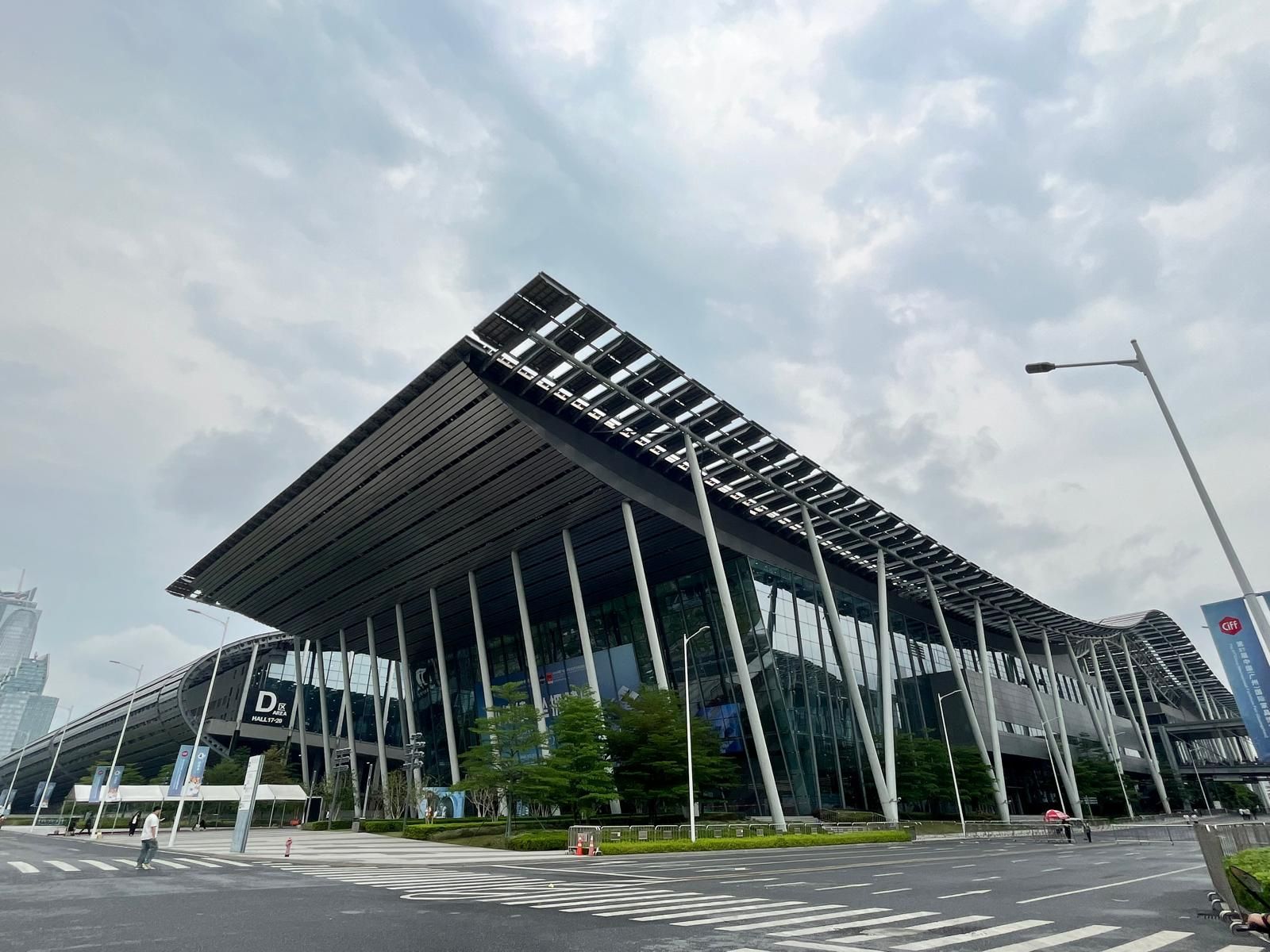

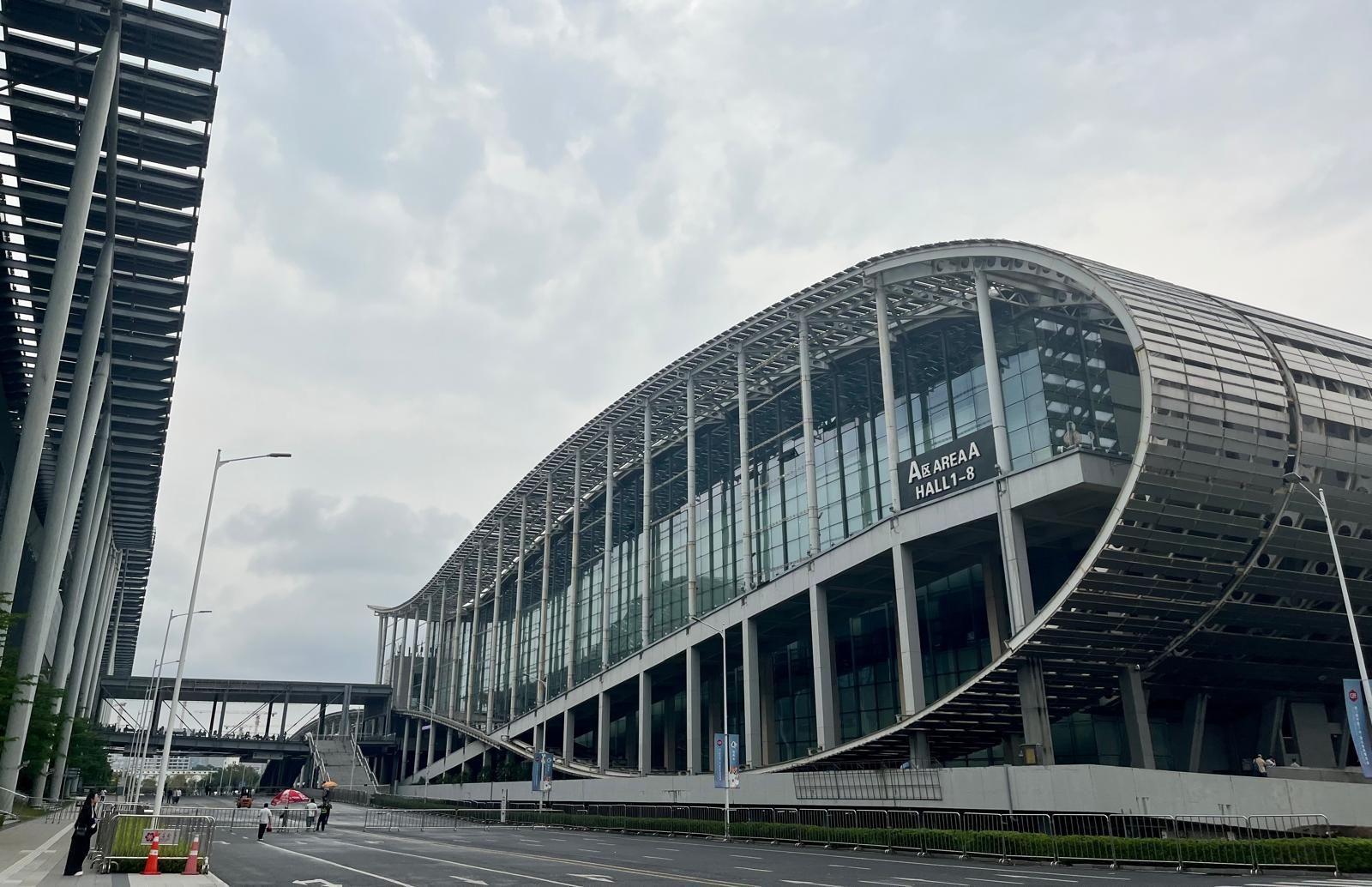
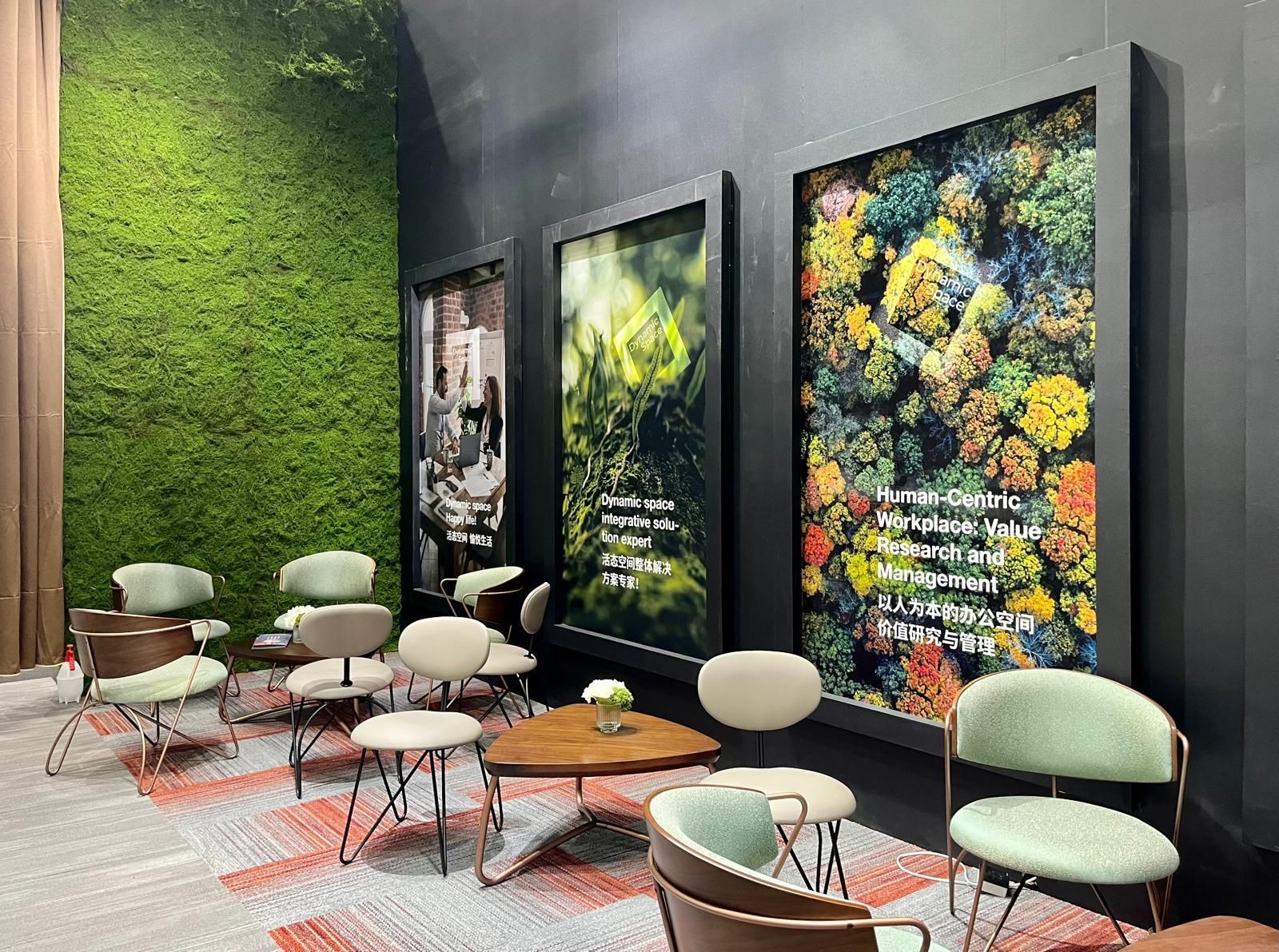
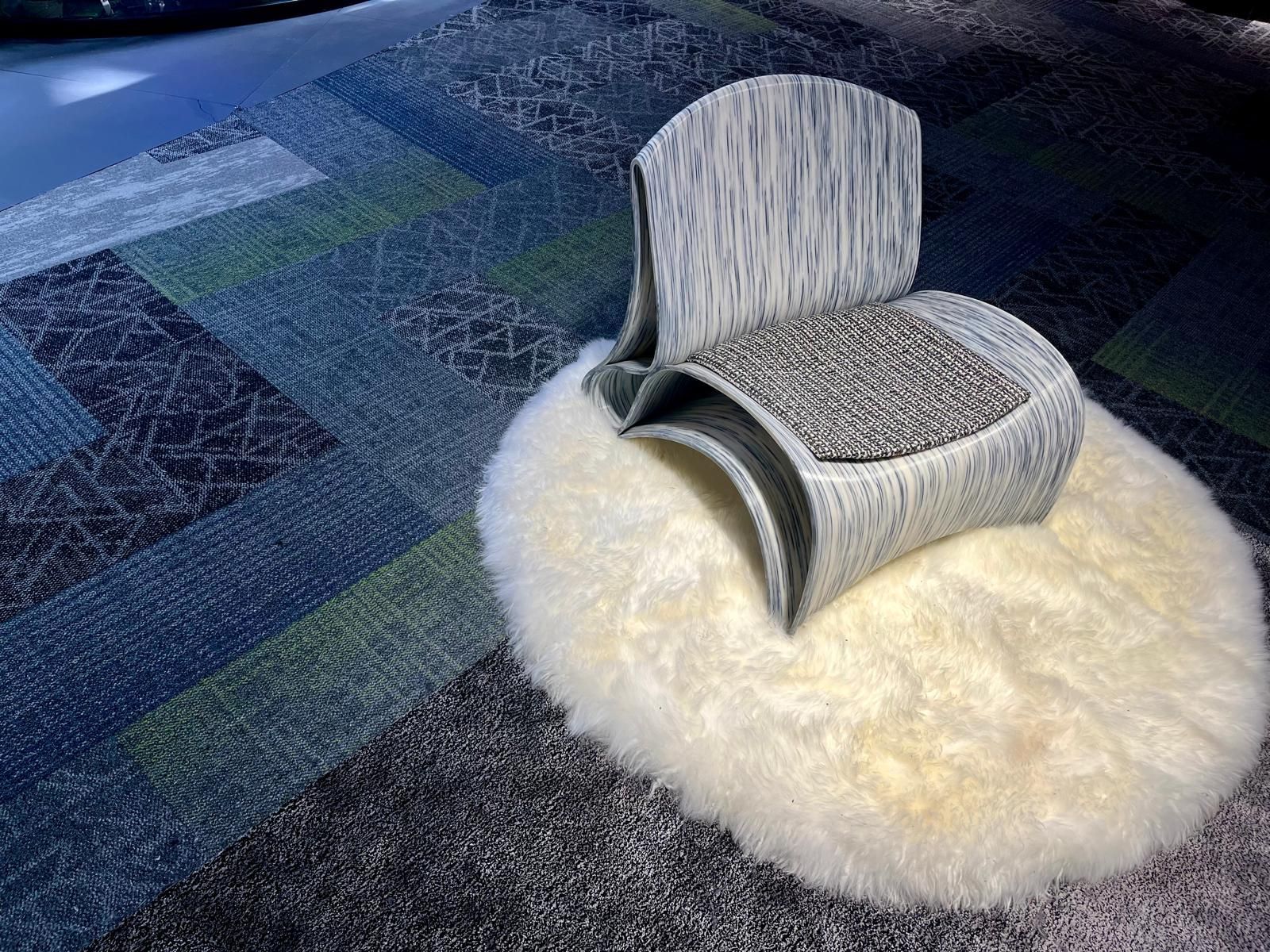
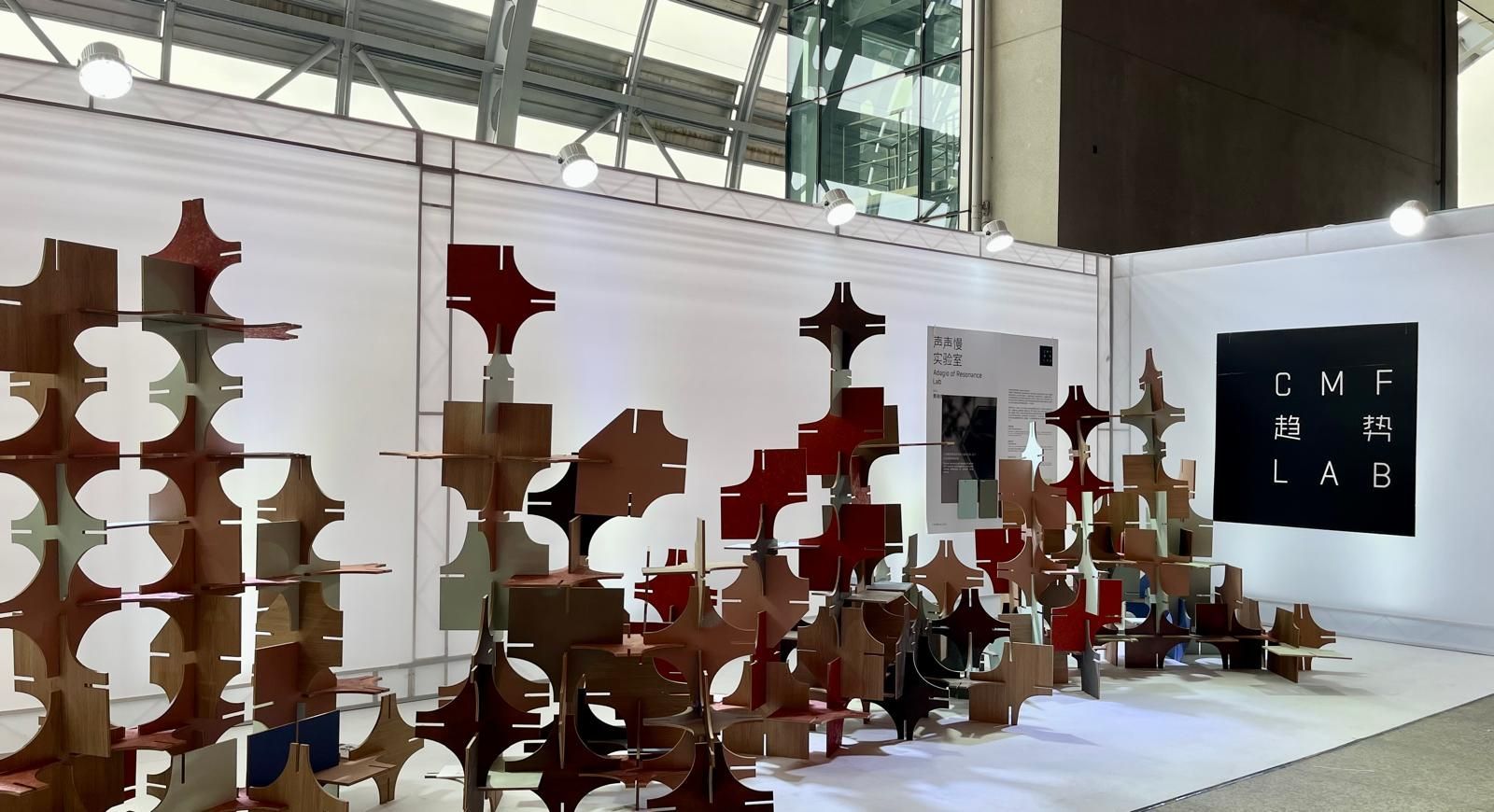
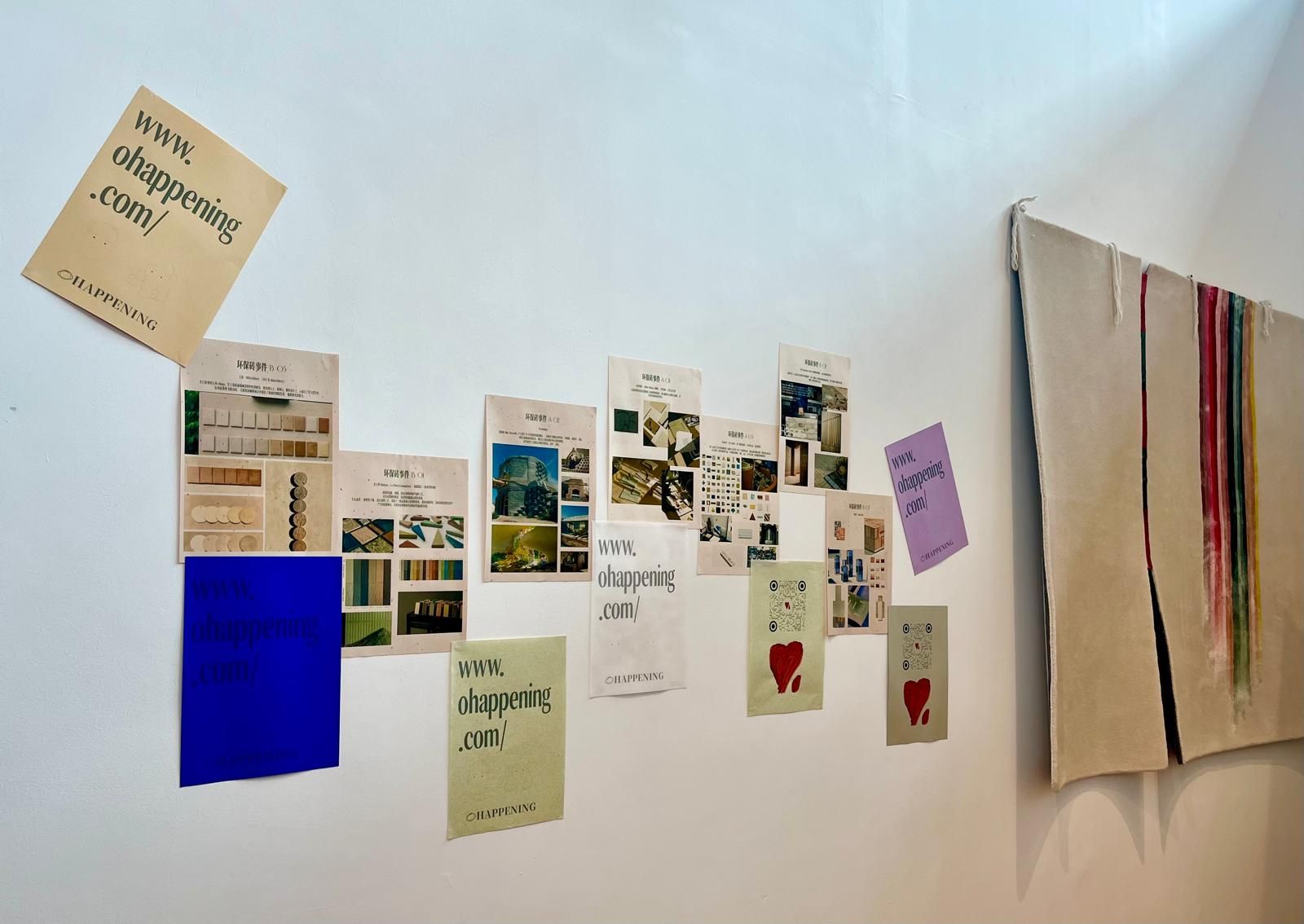
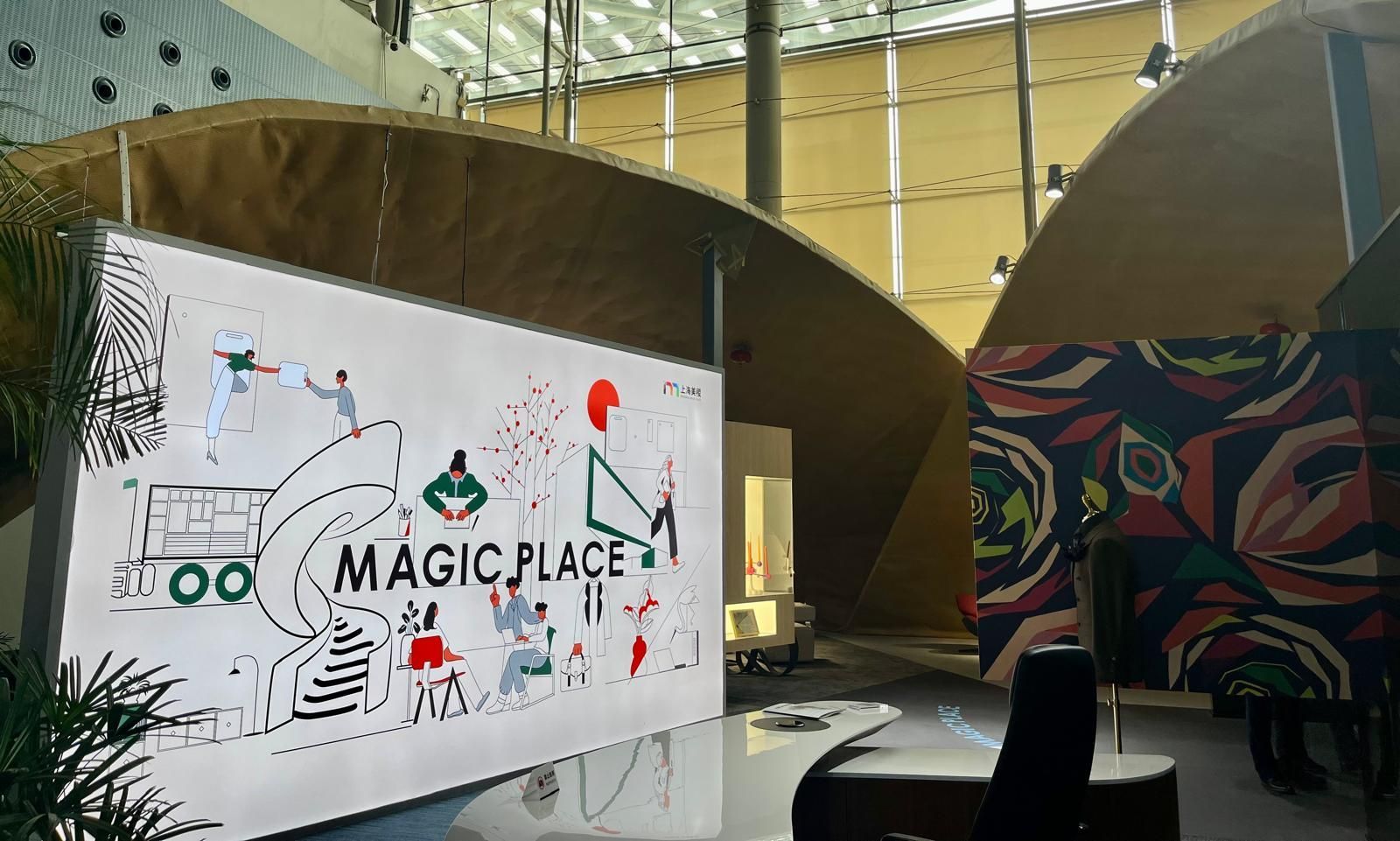
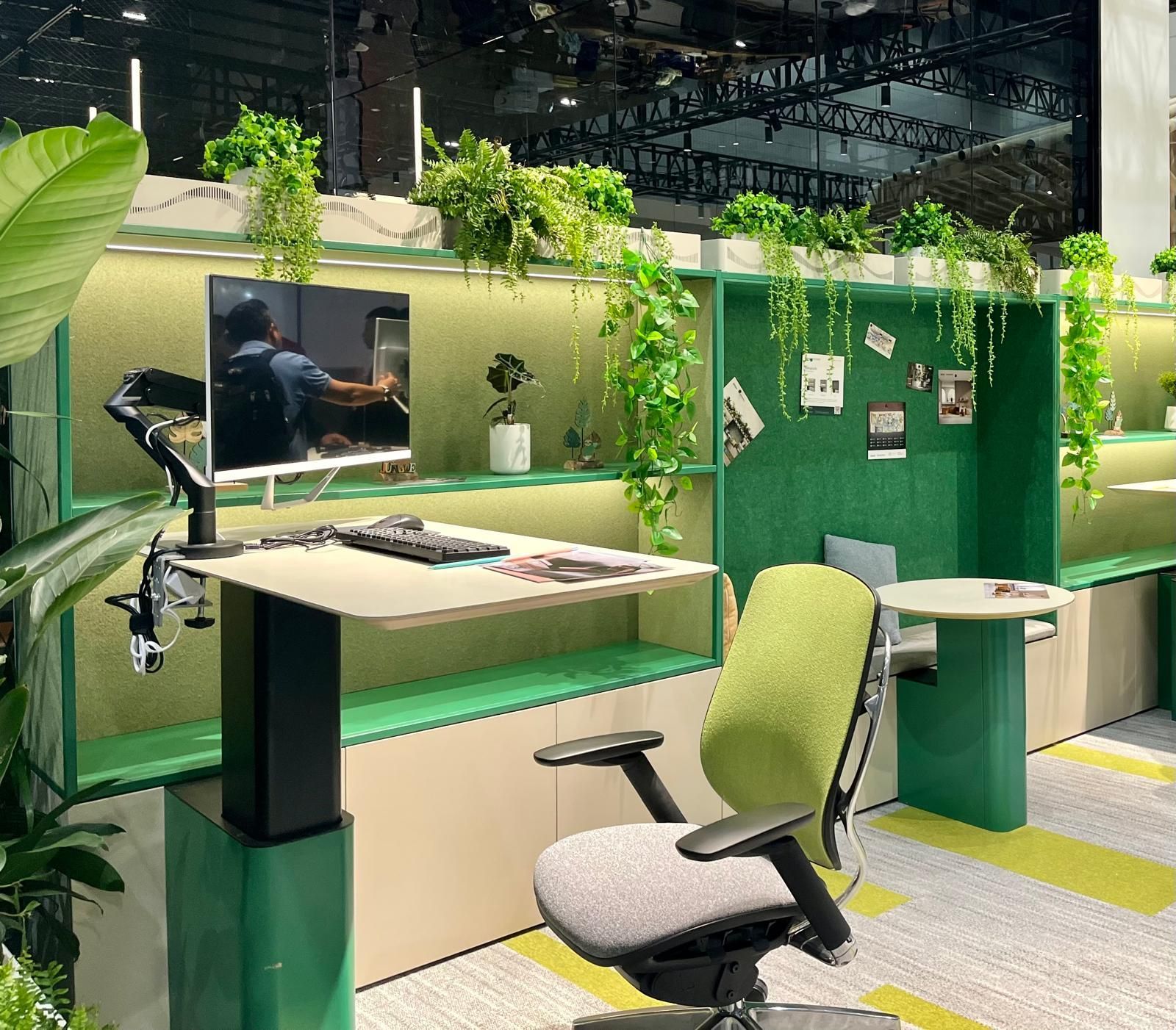
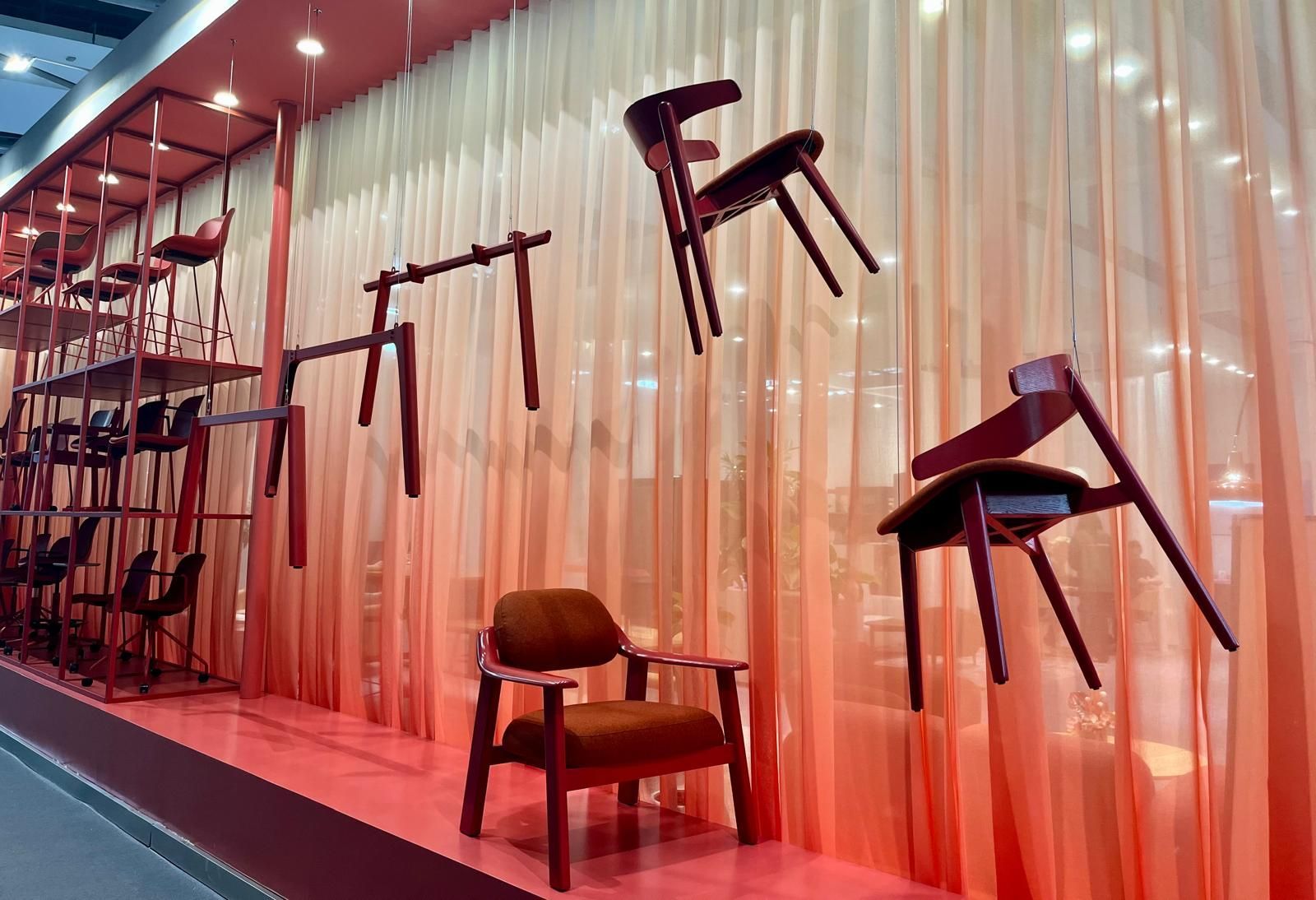
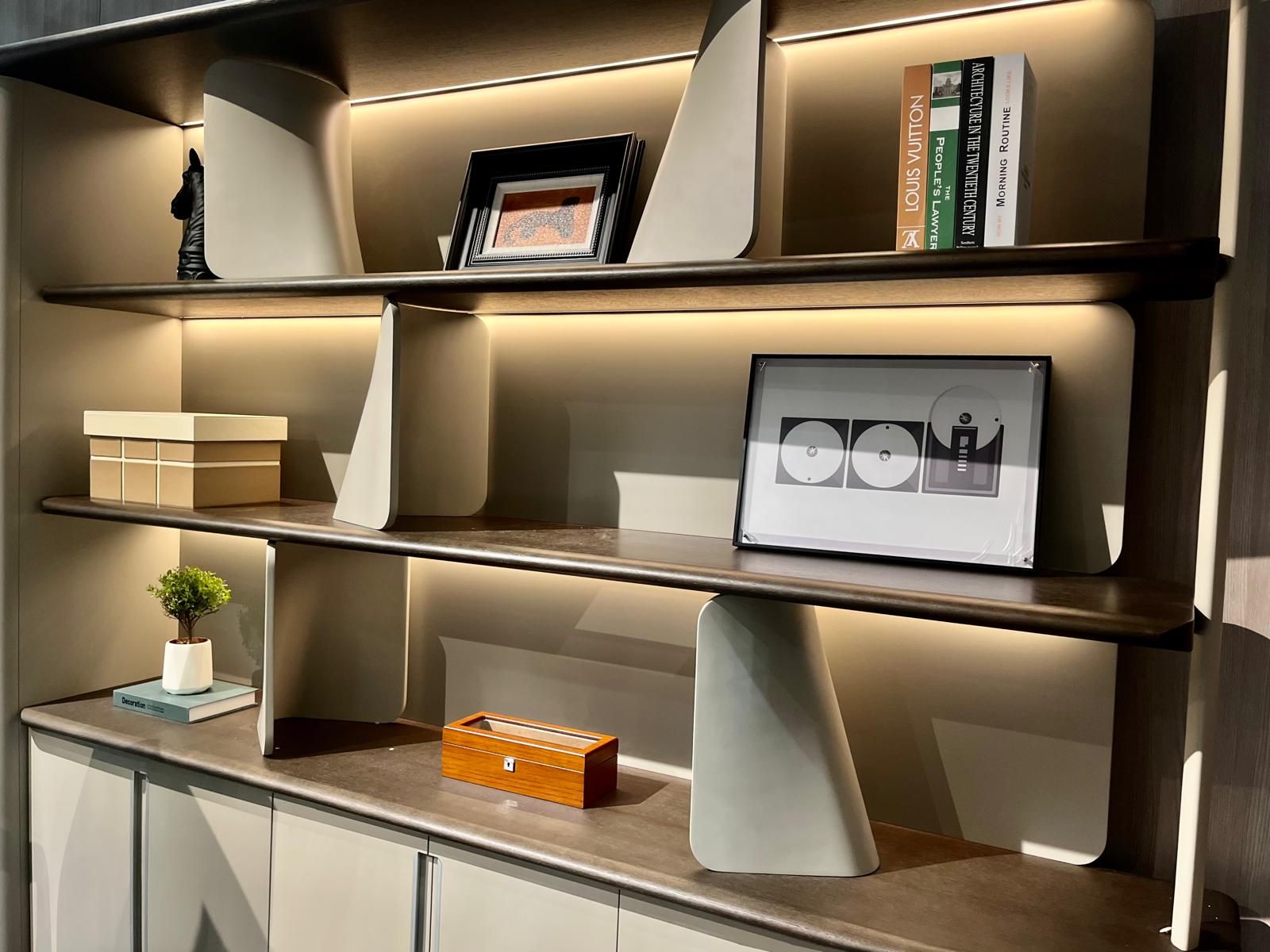
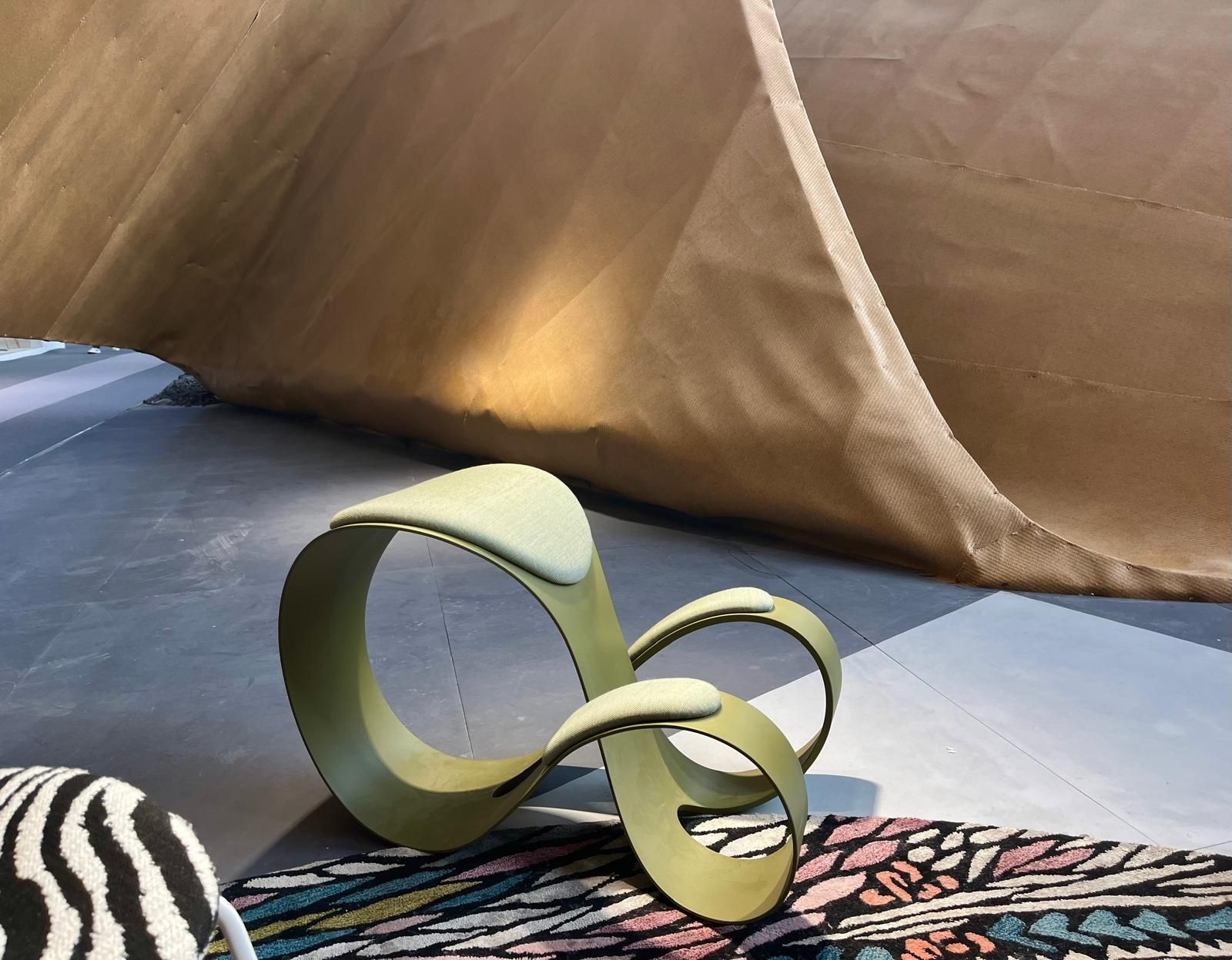
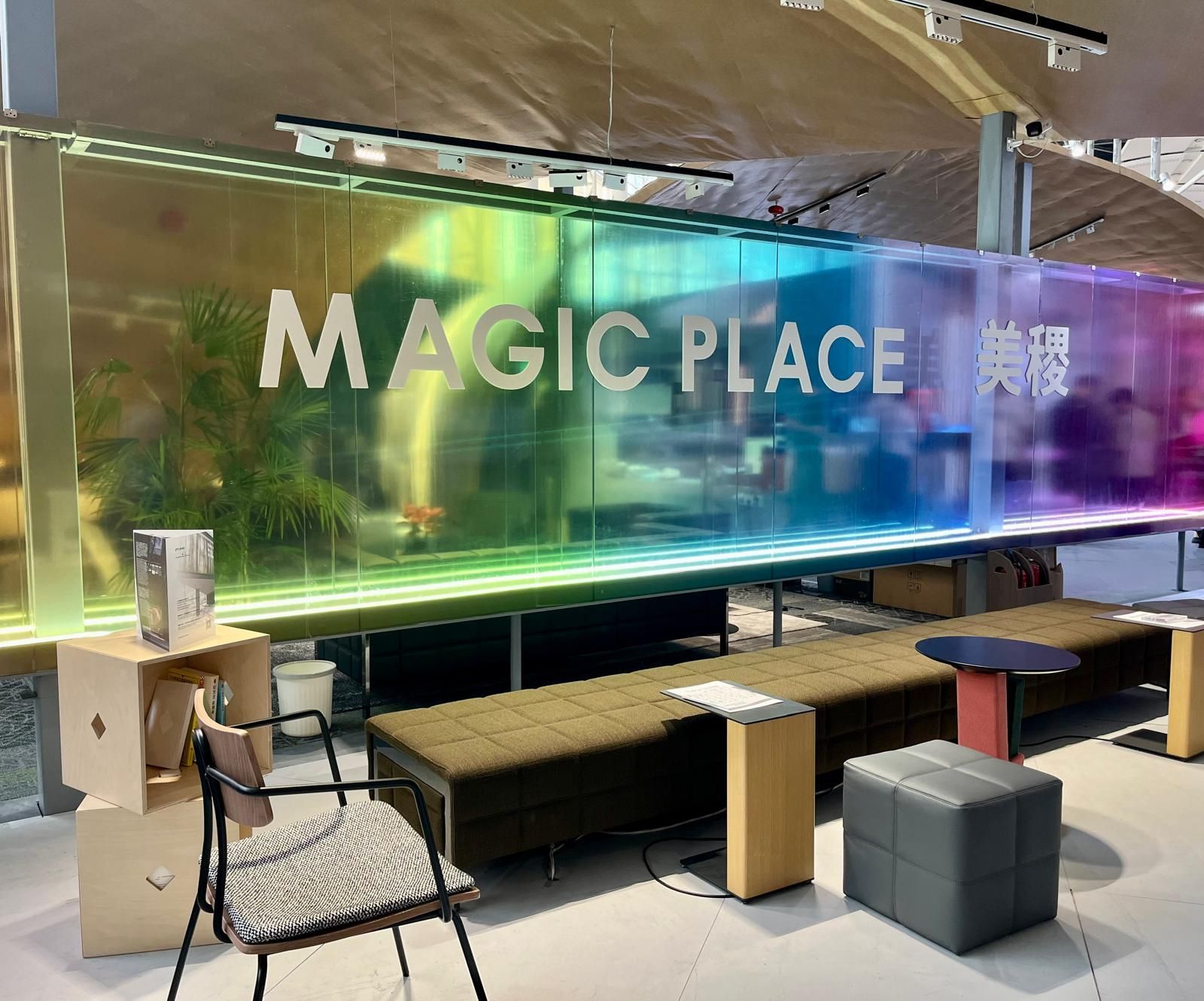
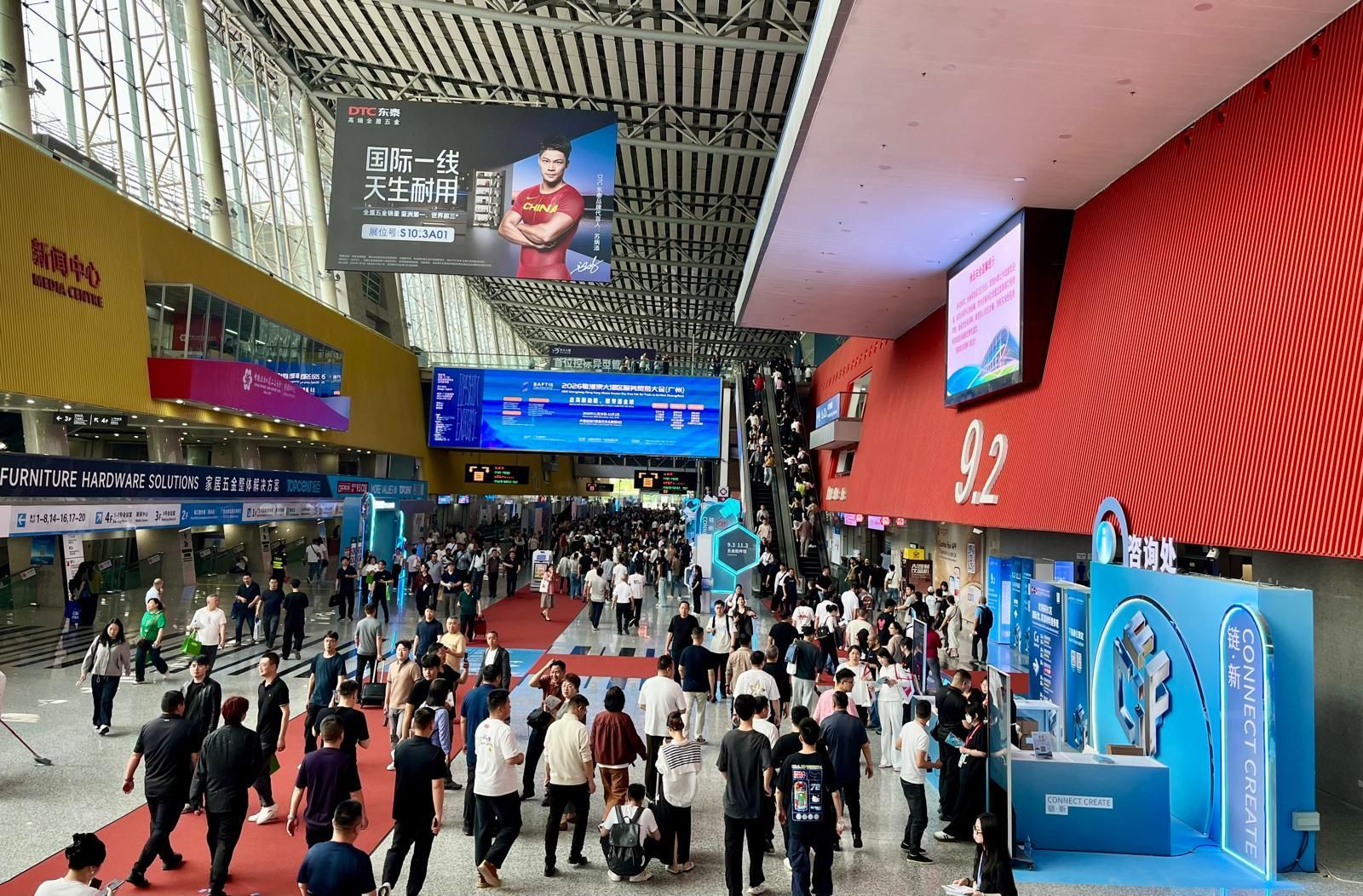
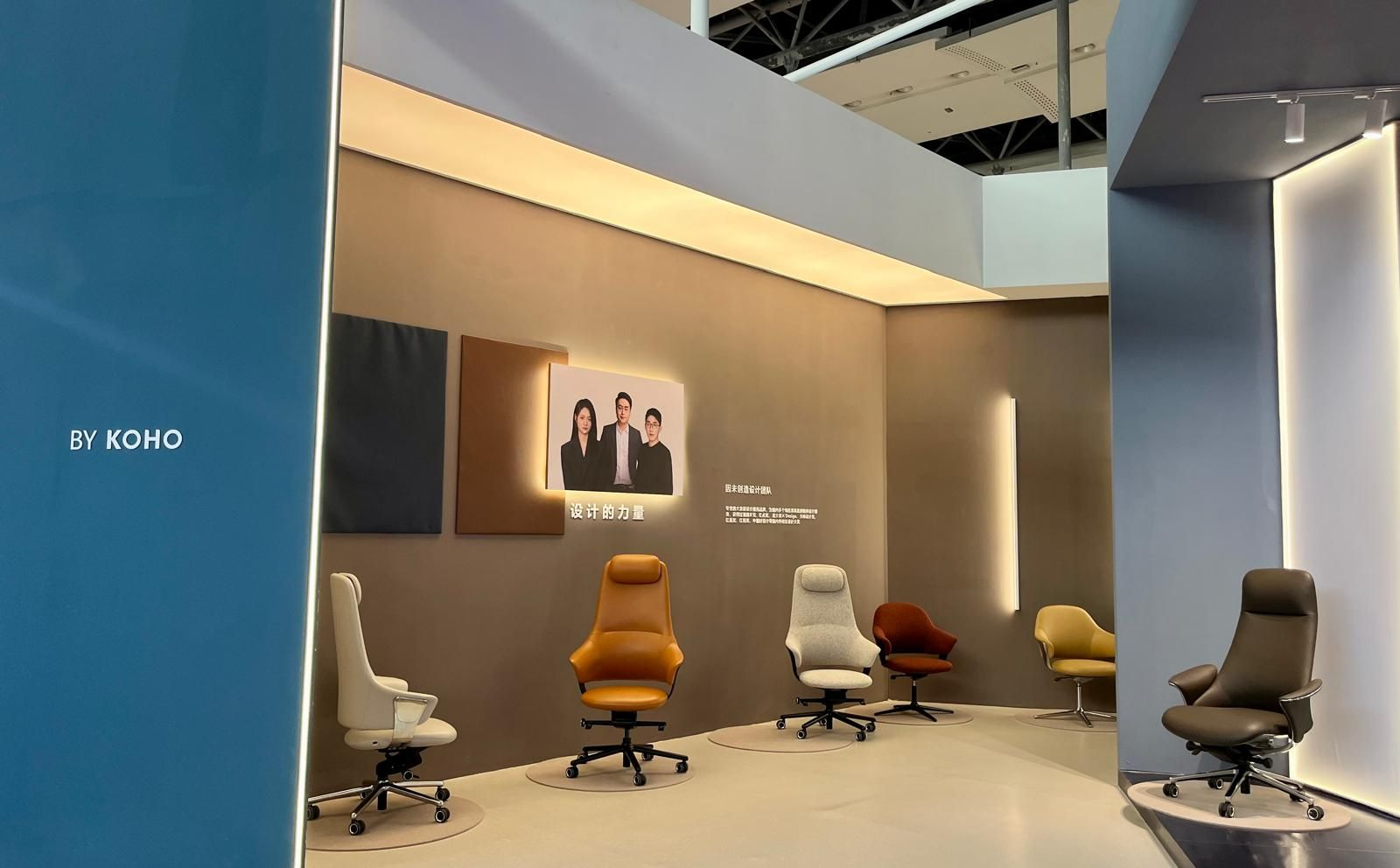
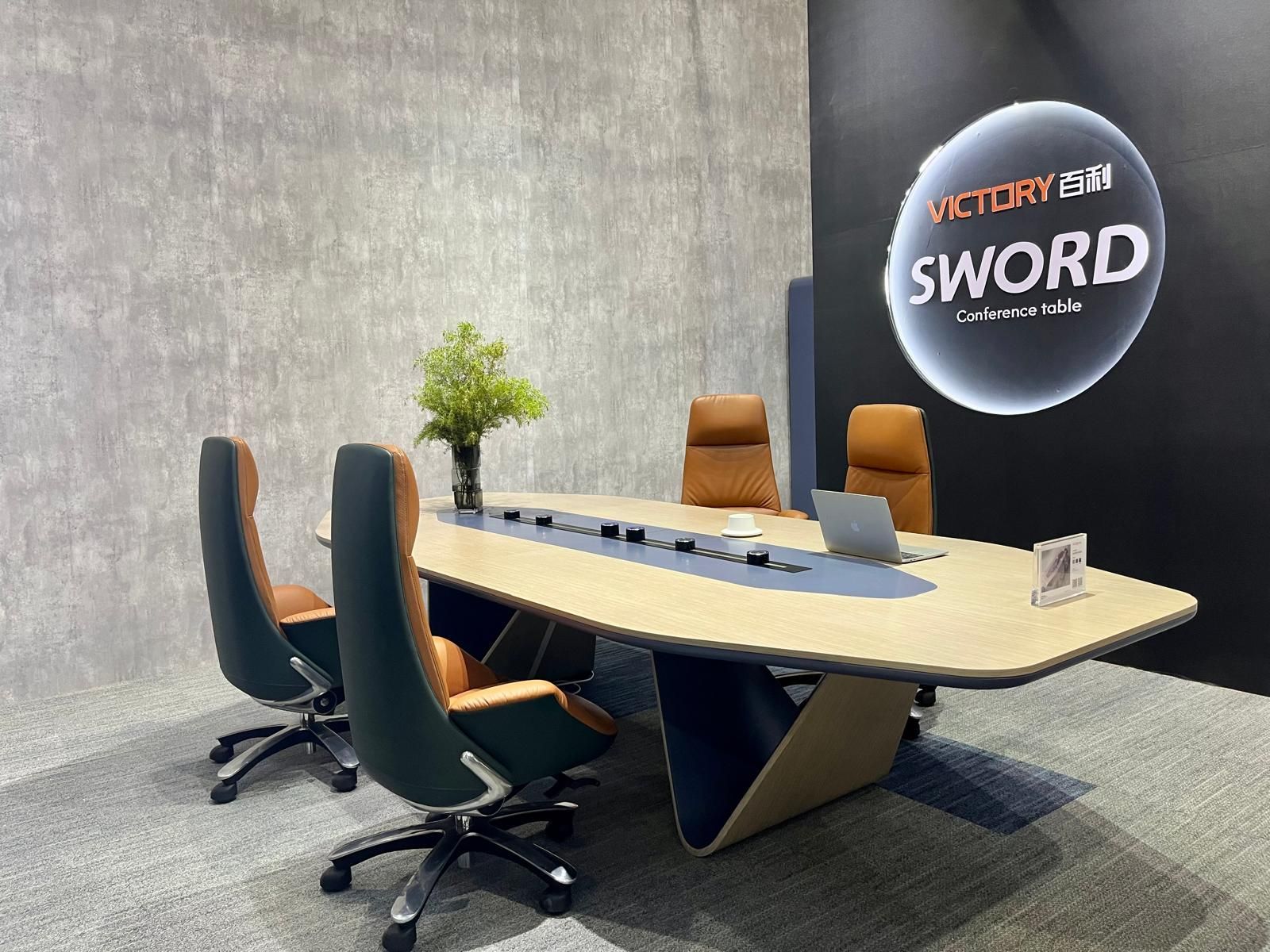
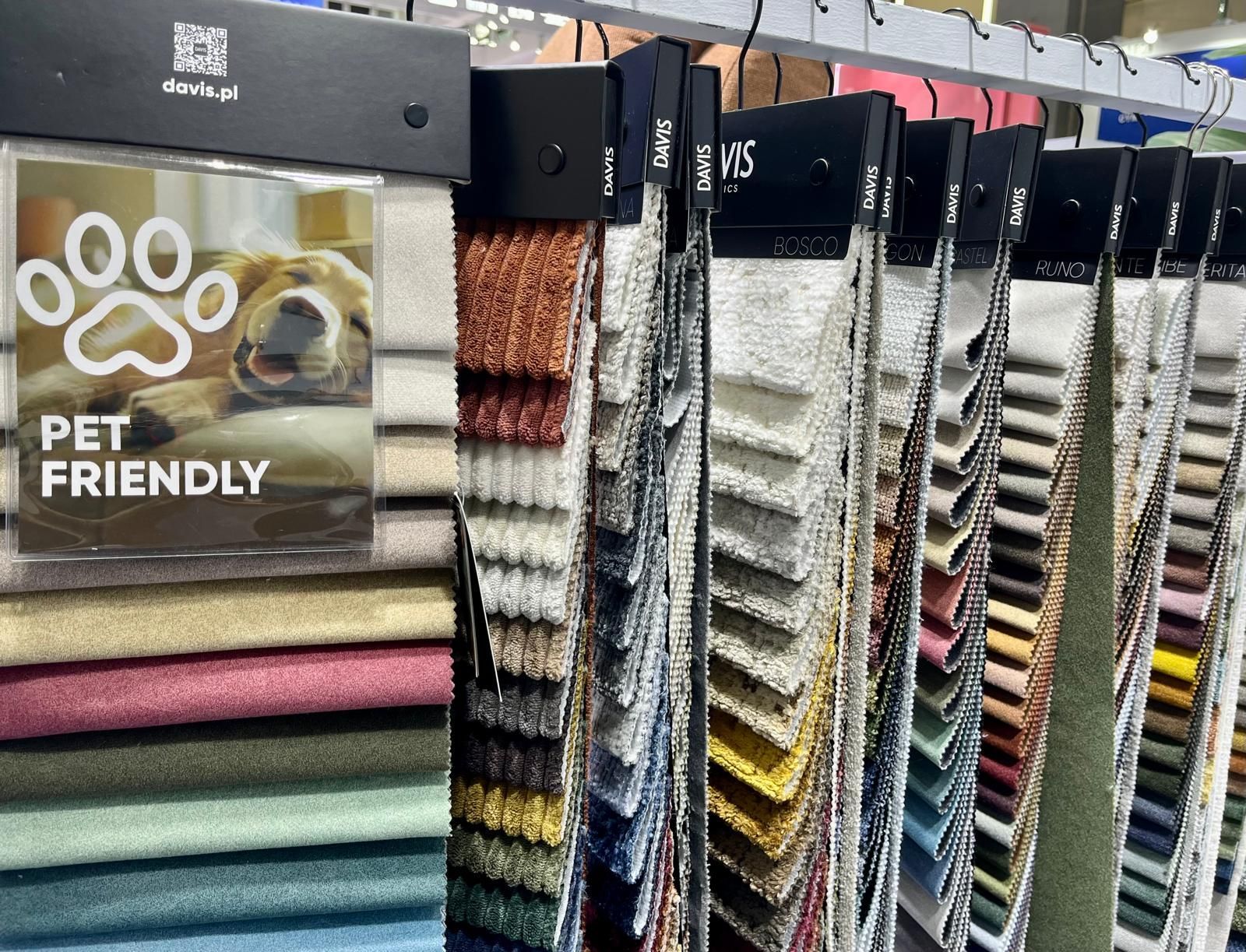
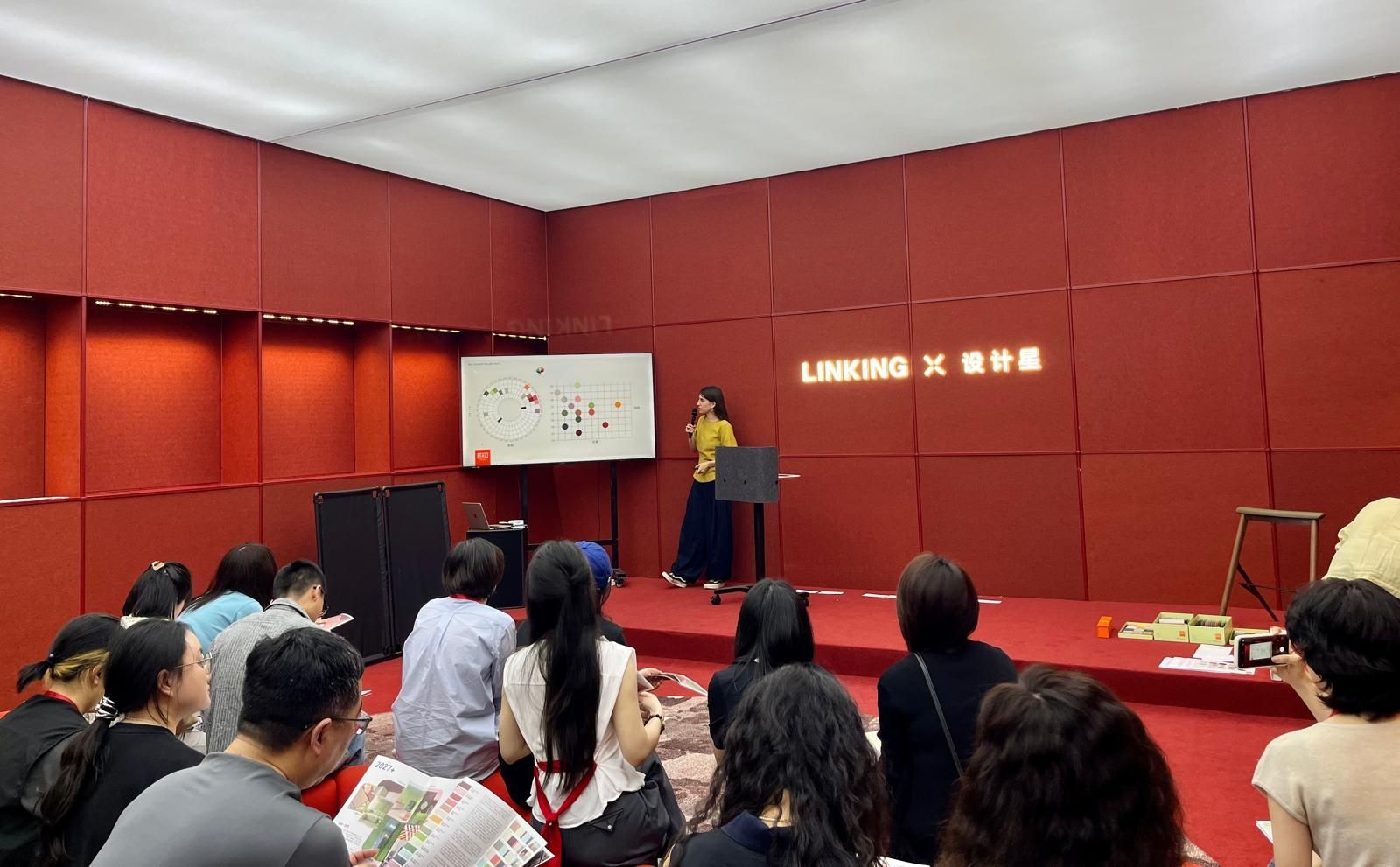
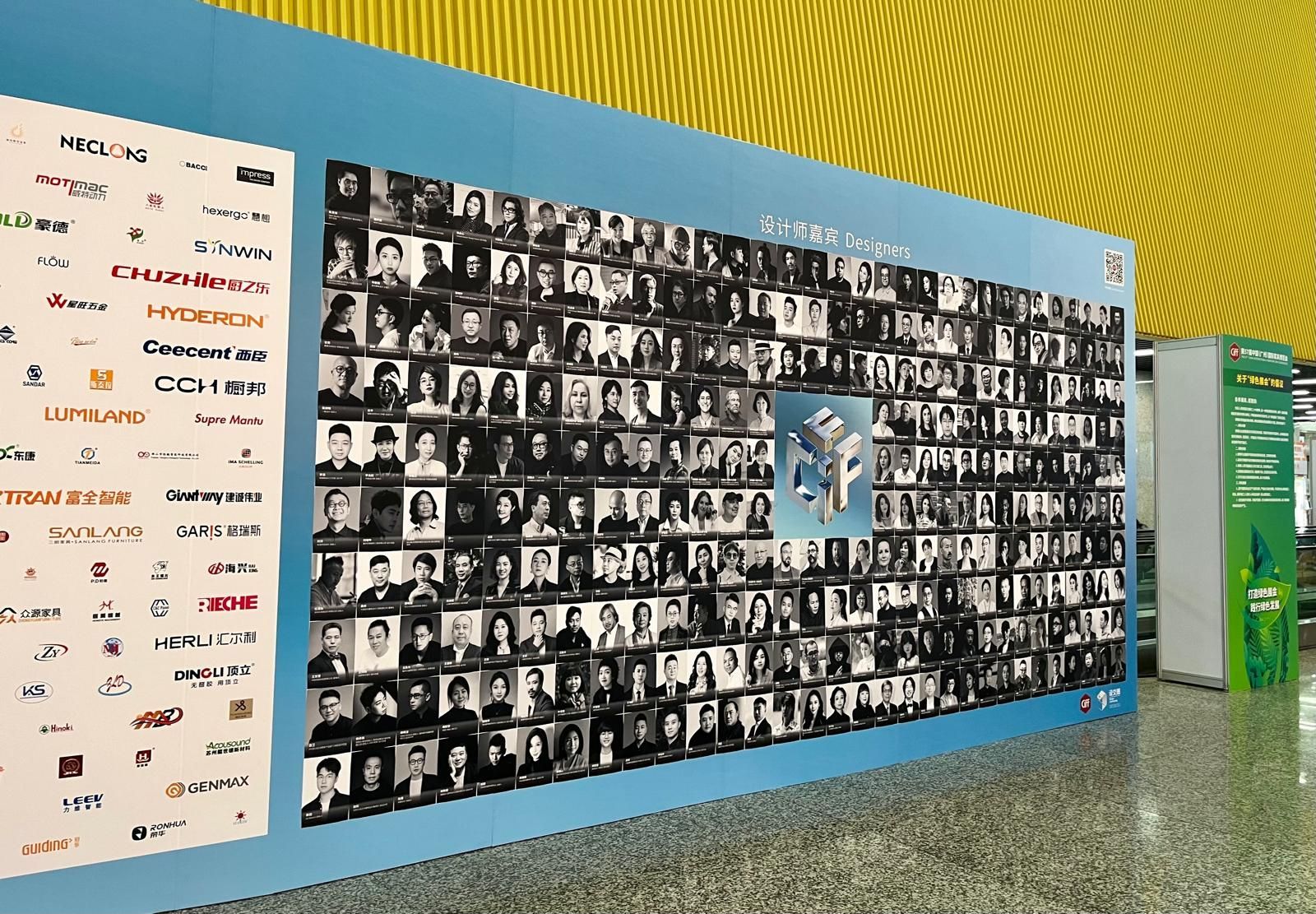
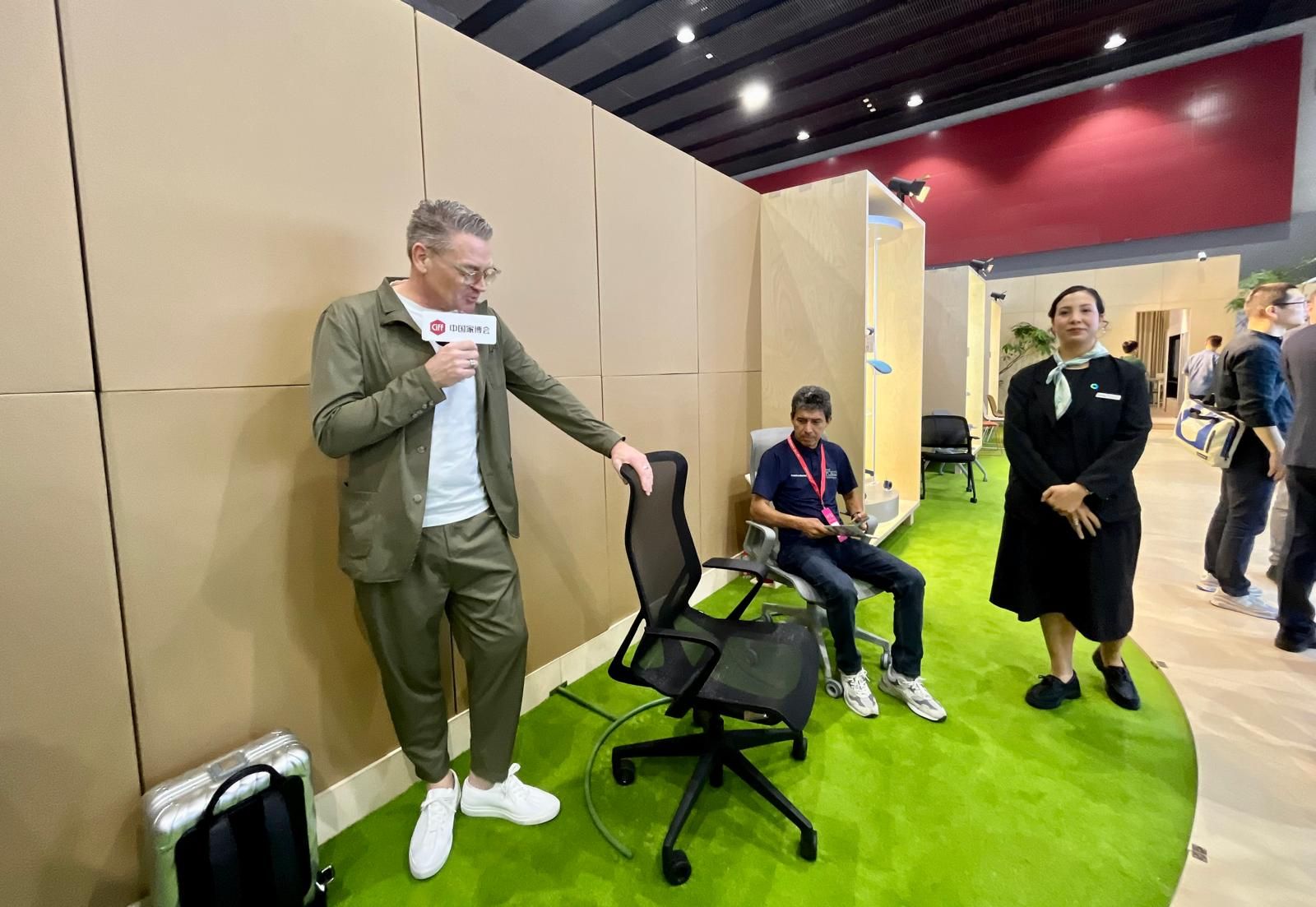
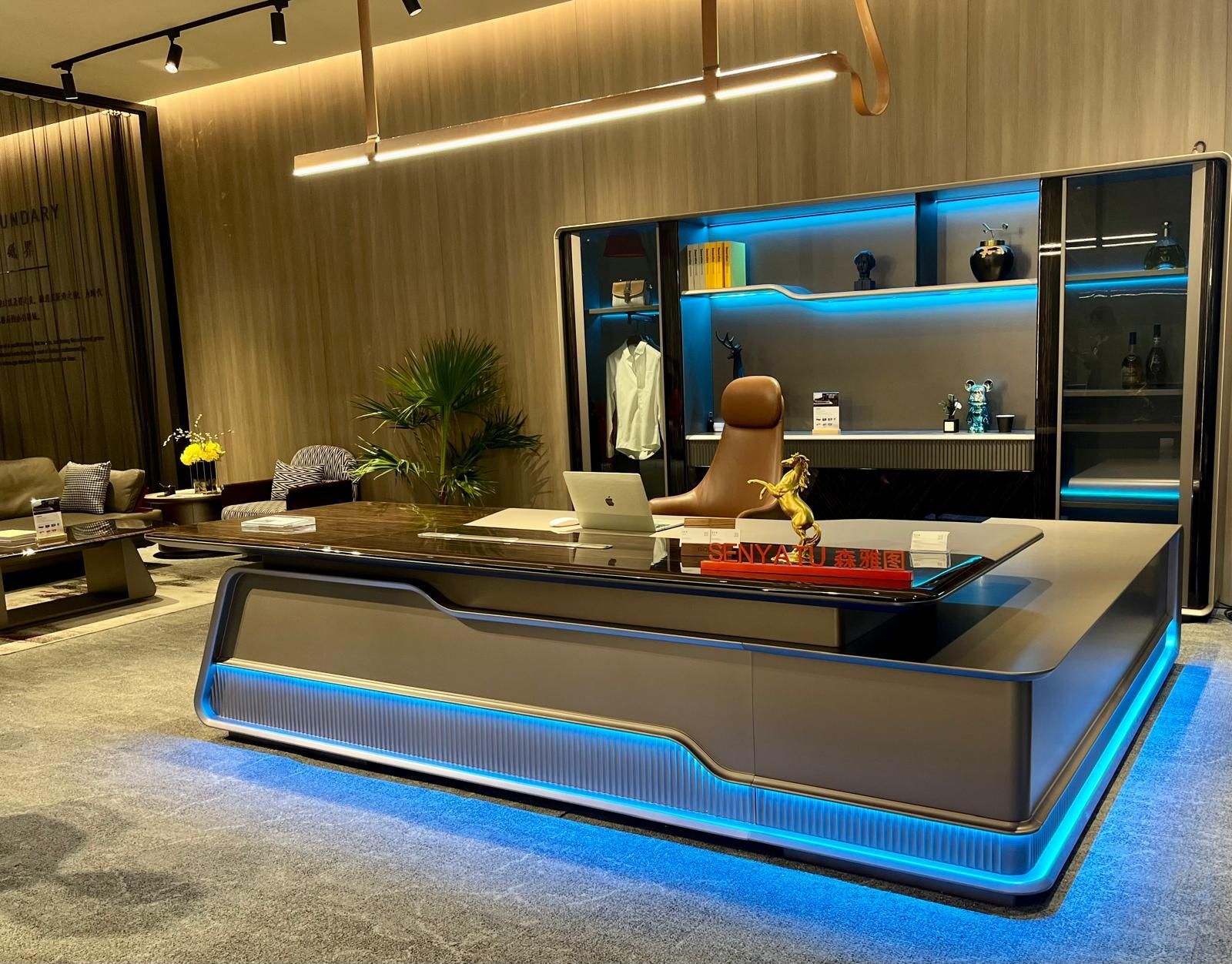
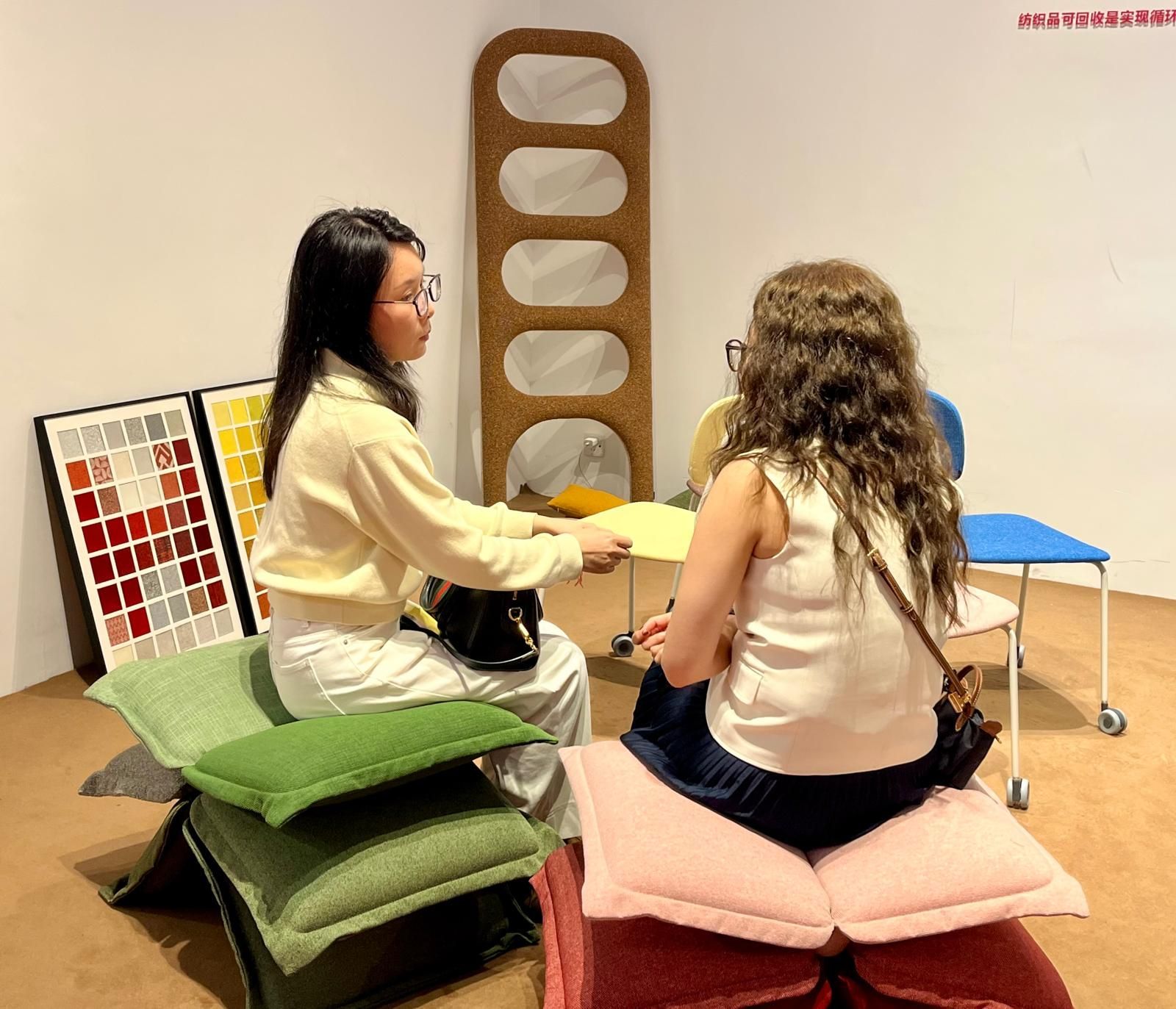
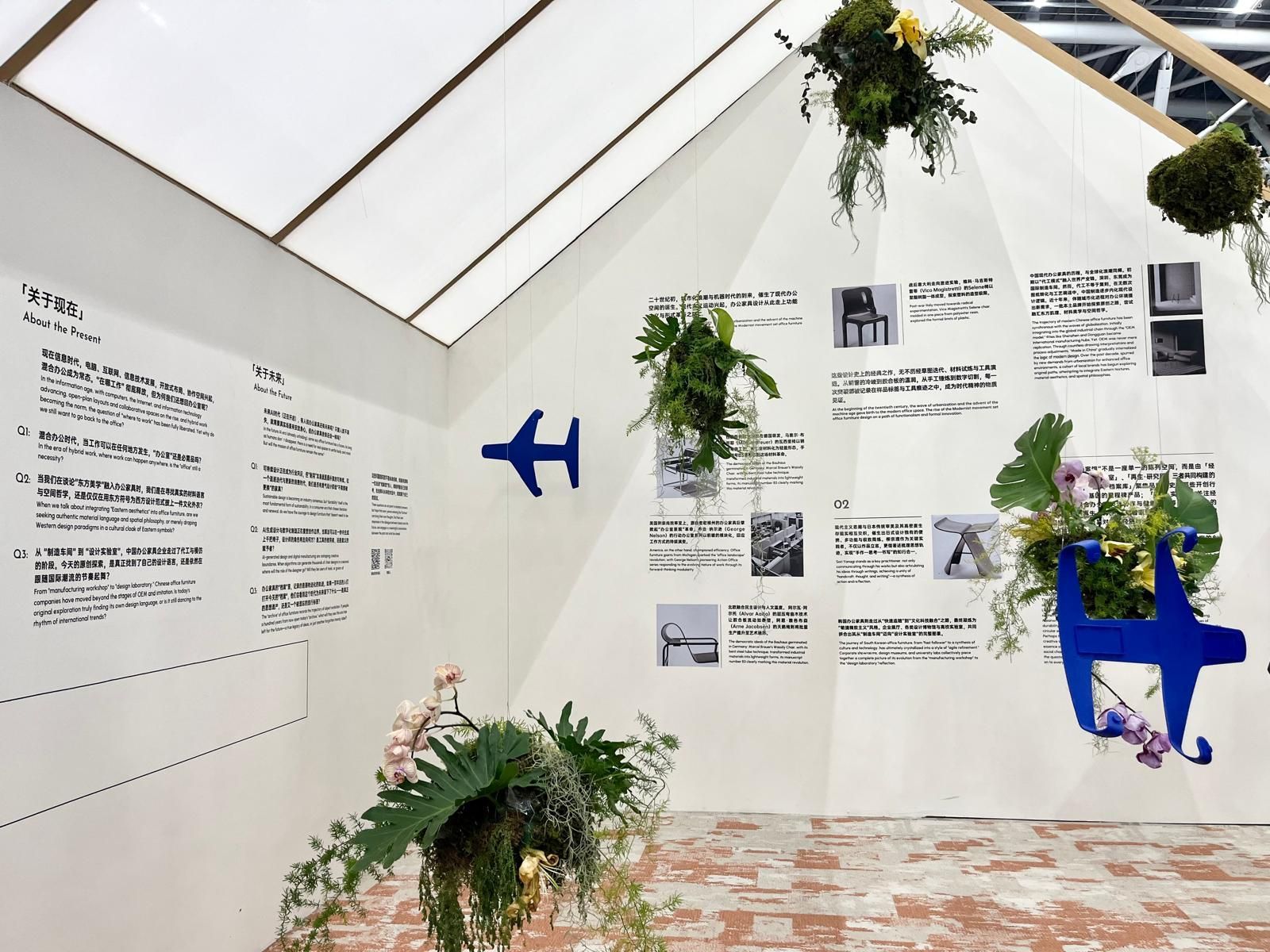
Material emerged as the undisputed protagonist of this edition of CIFF Guangzhou. It became an active agent: questioned, dissected and reimagined through every stage of its lifecycle: origin, composition, environmental impact, durability, recyclability and daily usability. But the discourse goes even further. Materials are no longer evaluated solely for their sustainability credentials; they are now designed to interact with the human body, to enhance well-being, to generate comfort and pleasure. Surfaces that breathe, fabrics that regulate microclimates, components engineered to reduce emissions and improve indoor air quality: design evolves into a sensorial and almost therapeutic experience where the boundary between object and user dissolves.
This shift is not accidental - it is the result of a long and deliberate evolution. Many of the companies exhibiting at CIFF carry decades of industrial heritage. They have first solidified production, then refined quality, later embraced design as a differentiating tool, and now invest heavily in research. It is a layered progression: product first, then quality, then design, and today material experimentatio - ultimately arriving at a new frontier where materials are conceived not only to perform or endure but to actively improve human life. It is a slow, strategic maturation that reflects a deeply rooted understanding of the market and its future trajectories.
An
exclusive guided tour
organized by CIFF offered rare, direct access to companies and designers, transforming observation into dialogue and revealing the thinking behind the finished products.
Tintan, for example, addresses the challenges of compact living with intelligent, multi-functional solutions where adaptability does not come at the expense of aesthetic integrity. These are not merely transformable pieces but integrated systems designed for increasingly fluid domestic ambiances.
The rise of “hybrid design” is unmistakable throughout the fair: modular systems capable of adapting to multiple scenarios, furniture conceived to encourage social interaction in an era dominated by digital isolation and spatial solutions aligned with contemporary lifestyle. The concept of “relax socialisation” surfaces repeatedly, positioning furniture not just as functional support but as a catalyst for human connection!
At the same time, companies such as Sunon push the boundaries of biophilic design, integrating recycled materials with advanced technological processes to enhance both ecological performance and ergonomic quality. Here, technology is not a tool applied after the fact; it is embedded within the creative process itself, embraced as a means of experimentation and continuous exploration.
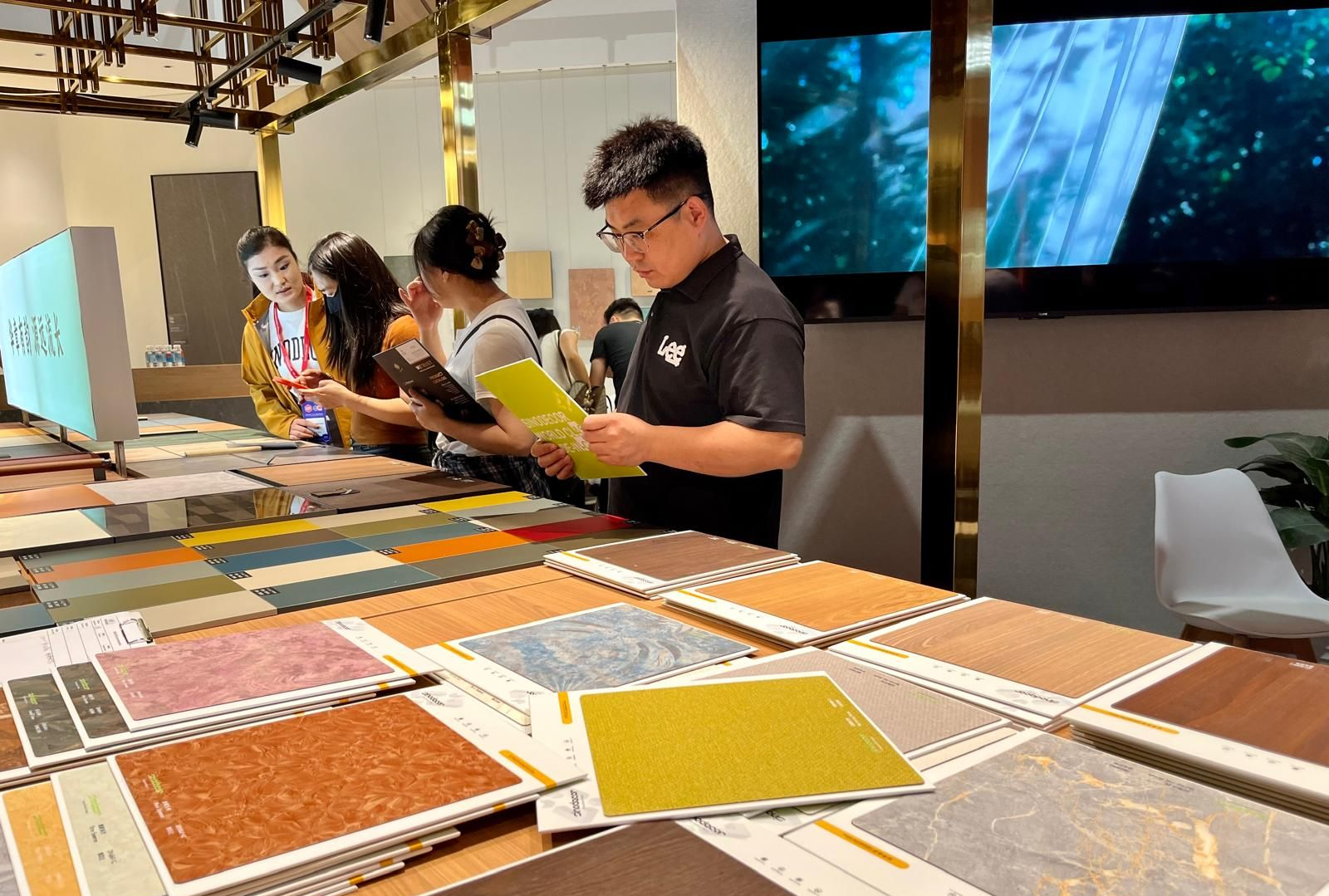
What emerges most powerfully from CIFF is not a single trend but a
systemic transformation. Conversations with designers reveal a deeper, more technical layer of thinking, where material choices are directly linked to human health, environmental responsibility and production ethics. The object is no longer the final goal; it is the outcome of a much broader, more complex investigation.
SHARE THIS
Contribute
G&G _ Magazine is always looking for the creative talents of stylists, designers, photographers and writers from around the globe.
Find us on
Latest News
Subscribe
Keep up to date with the latest trends!
Popular Posts