Exclusive Interview with Piet Hein Eek: when hospitality becomes a way to live design, not just display it!
In a world where many hotels rely on polished aesthetics and predictable luxury, Piet Hein Eek offers a radically different vision. One of the most influential Dutch designers of the contemporary scene, Eek has built his reputation on redefining design through reuse, craftsmanship and imperfection. At the heart of this ecosystem lies the Hotel Piet Hein Eek - a project that embodies his philosophy and invites guests to experience design not as a static object, but as a living environment.
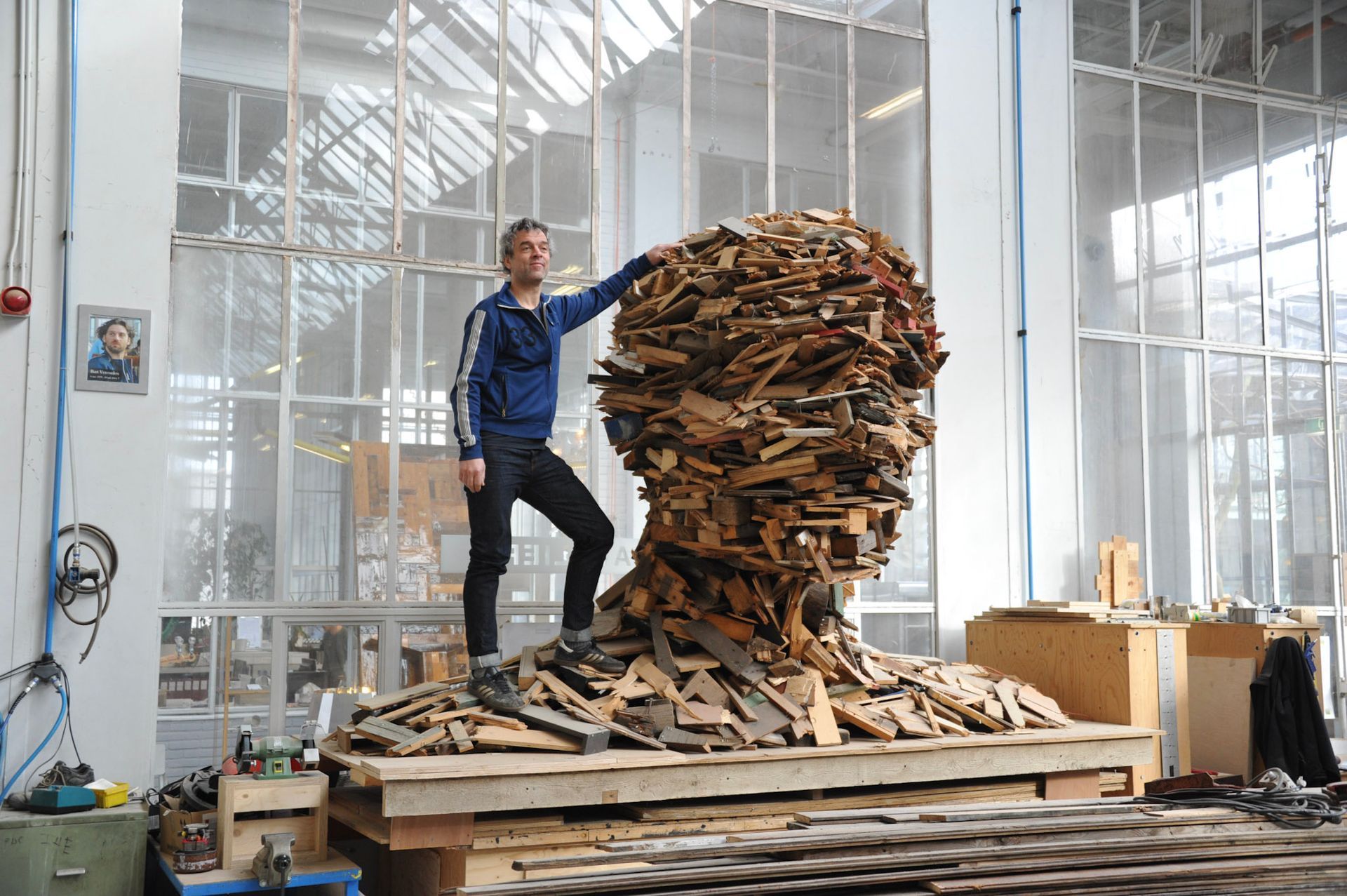
Over the years, the creative universe of Piet Hein Eek has expanded far beyond furniture into architecture, gastronomy and hospitality. Trained at the Design Academy Eindhoven and internationally recognised for his iconic Scrapwood furniture series, Eek has built a career rooted in craftsmanship, reuse and the beauty of imperfection. In Eindhoven, he has created a true design location that includes a workshop, showroom and exhibition spaces, a restaurant and the Hotel Piet Hein Eek.
Your work originates from a clear stance against the standardisation of industrial design. When did you realize that imperfection could become a design value?
When I designed the Scrapwood Cupboard (1989), I was inspired by the lack of quality (in industrial sense) of the material. At the same time, I recognized the beauty of it.
Your design seems to reject the idea of the “perfect object.” Do you believe today’s audience is more ready to embrace an authentic, unpolished aesthetic?
I think the acceptance of imperfection has to do with the fact that after industrialization and mass production perfection became the standard (before that, handcraft was focused on producing identical objects). But if everything is perfect, imperfection becomes desirable. Especially when someone tries his or her very best to reach for perfection and doesn’t succeed.
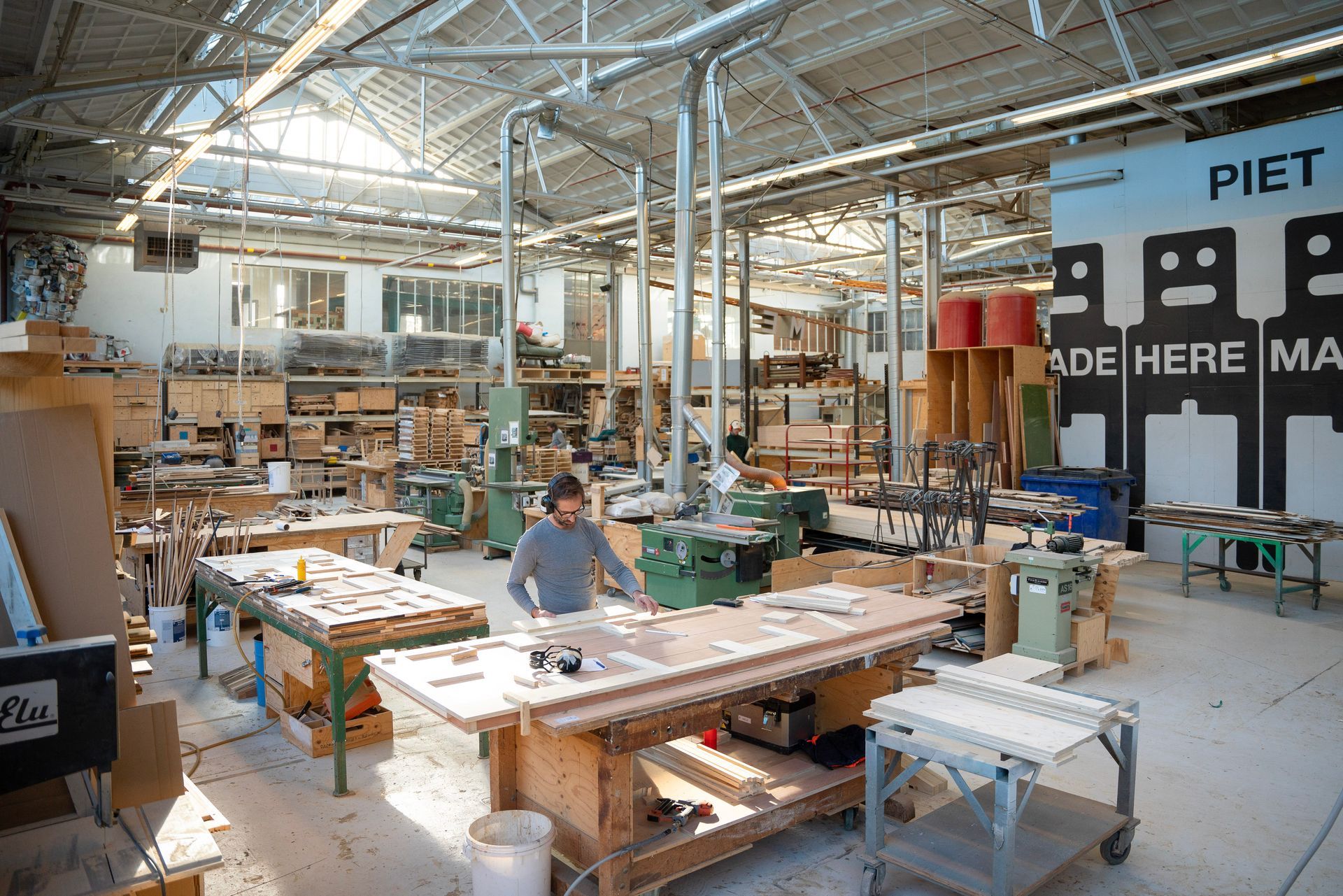
How essential is direct dialogue with craftsmen and the workshop in your design process?
In my design process I implement my experience with our workshop and craftsmen. Often my designs push the limits and are changing standard behavior.
How have design events such as your collaboration with Dutch Design Week influenced, and how do you think they can continue to influence the identity and evolution of your space?
The building as a place where we work but also hosting clients and guests has become one of the most important aspects of my career. Although it’s just brick it seems to be alive and growing organically.
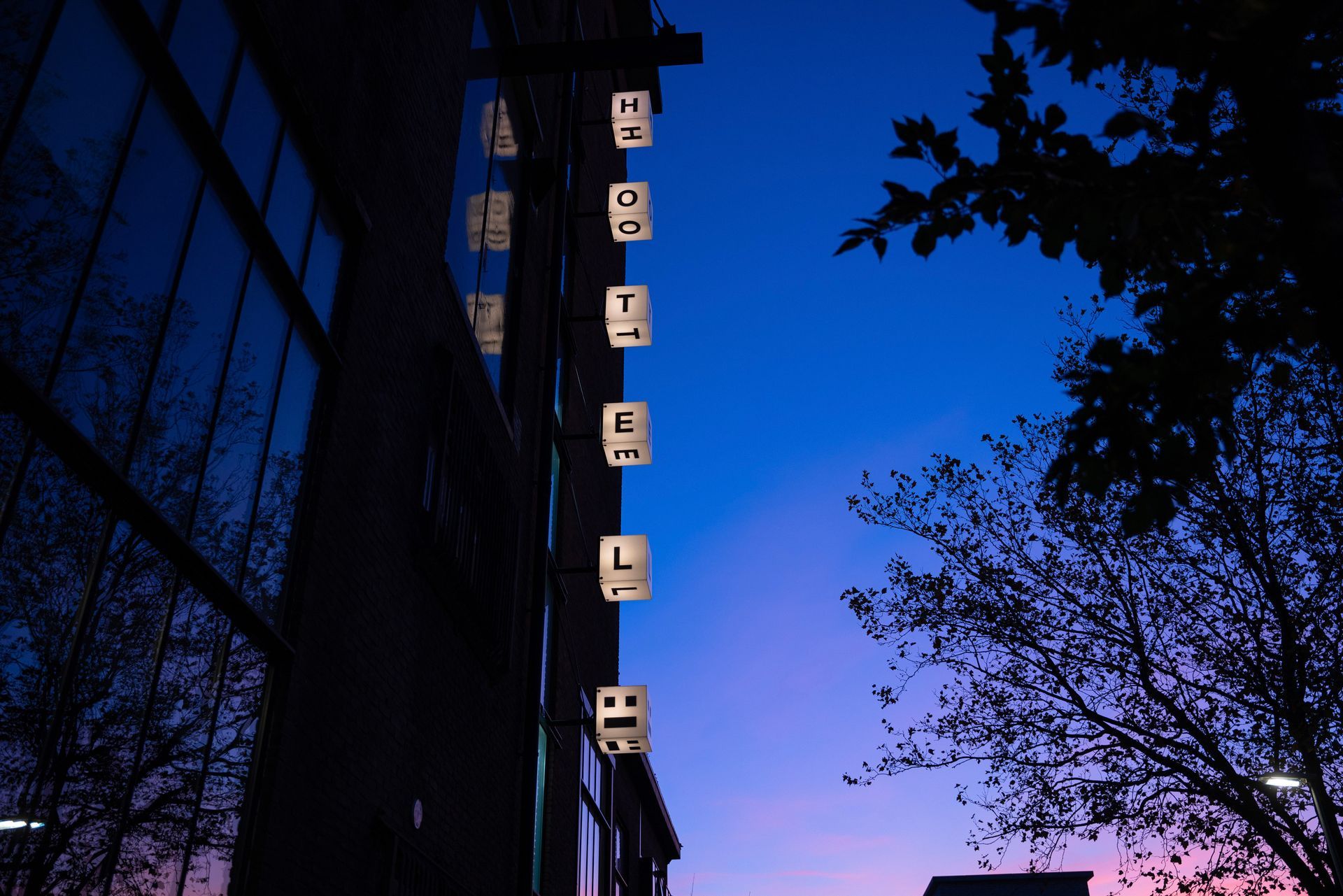
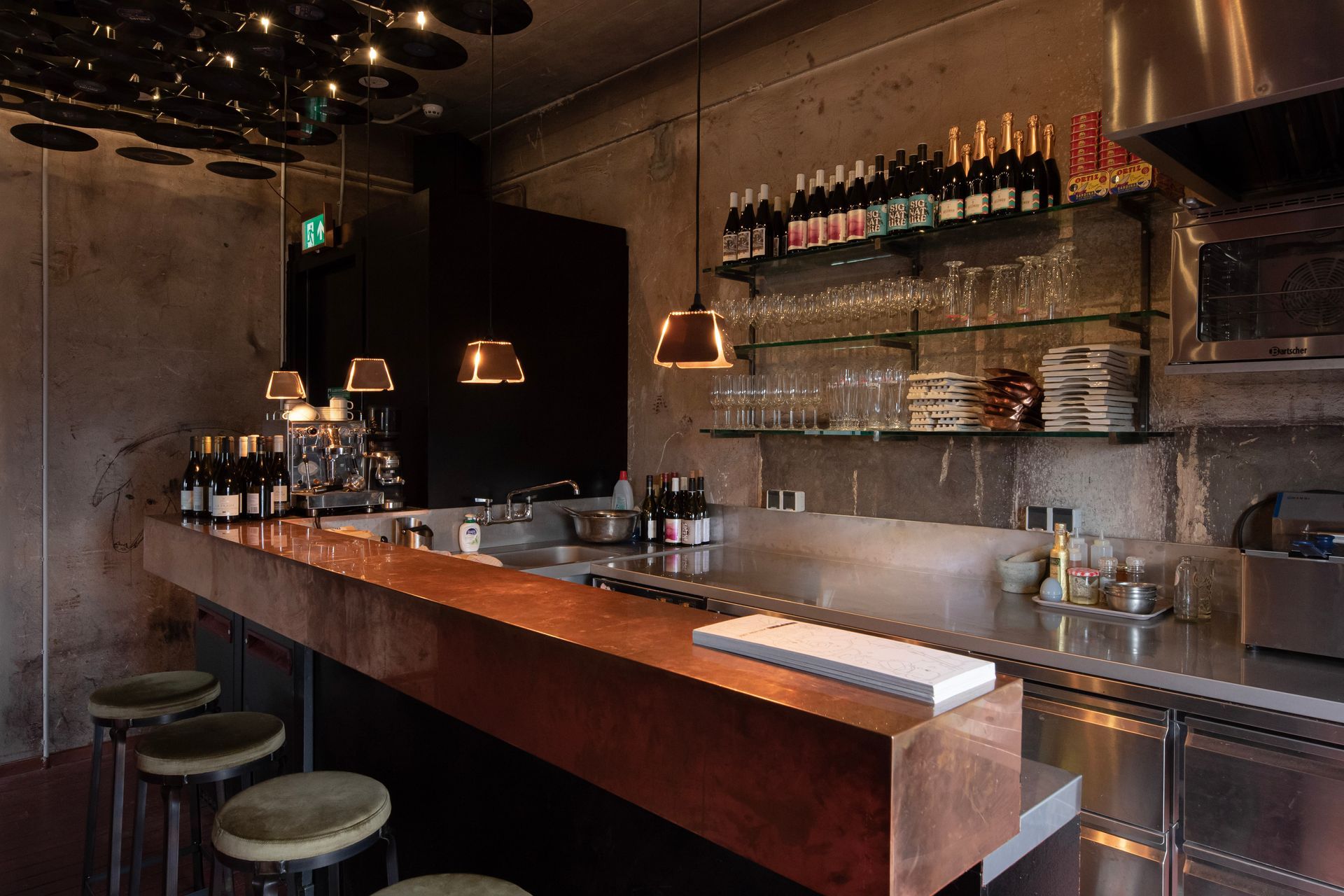
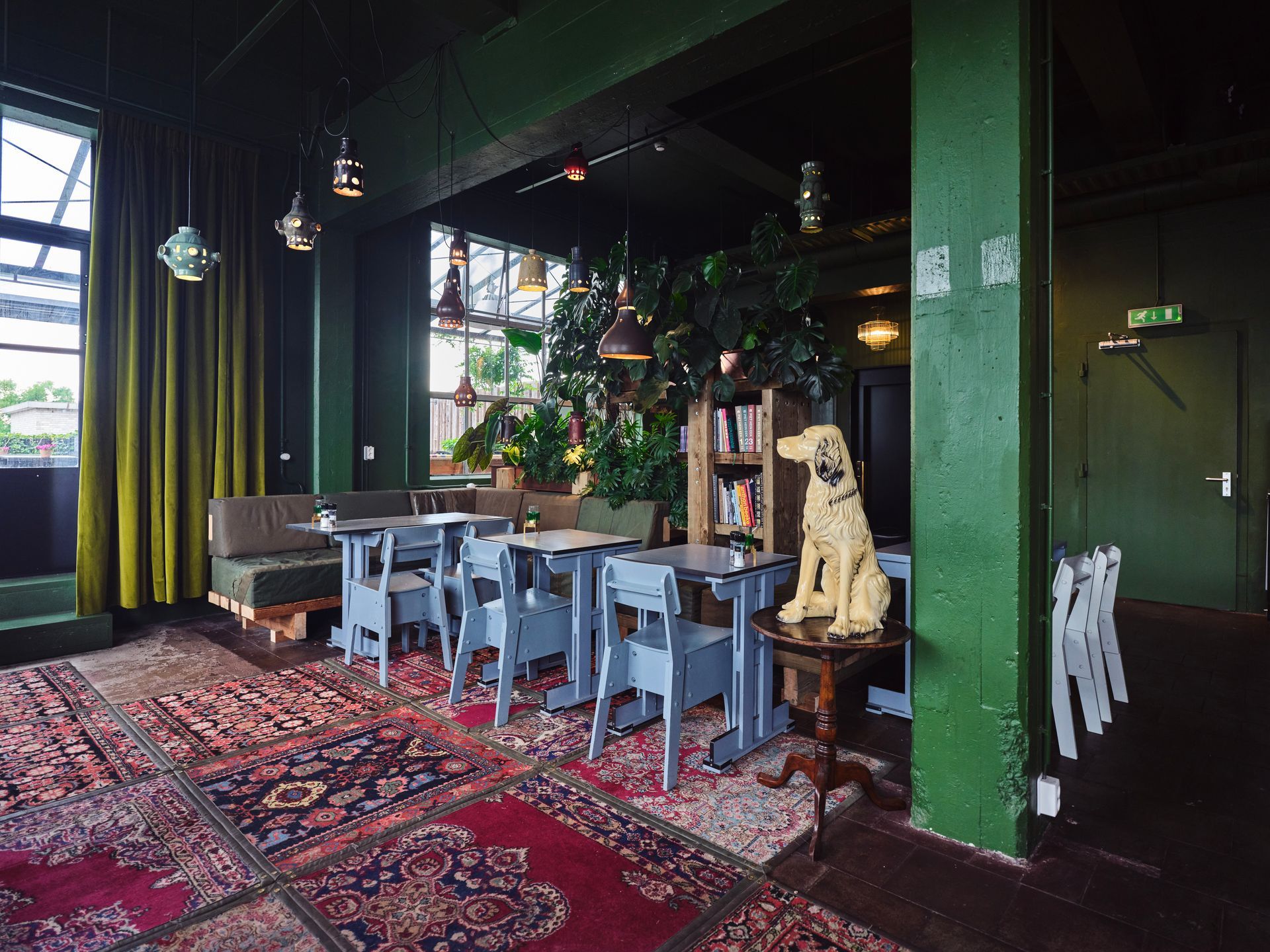
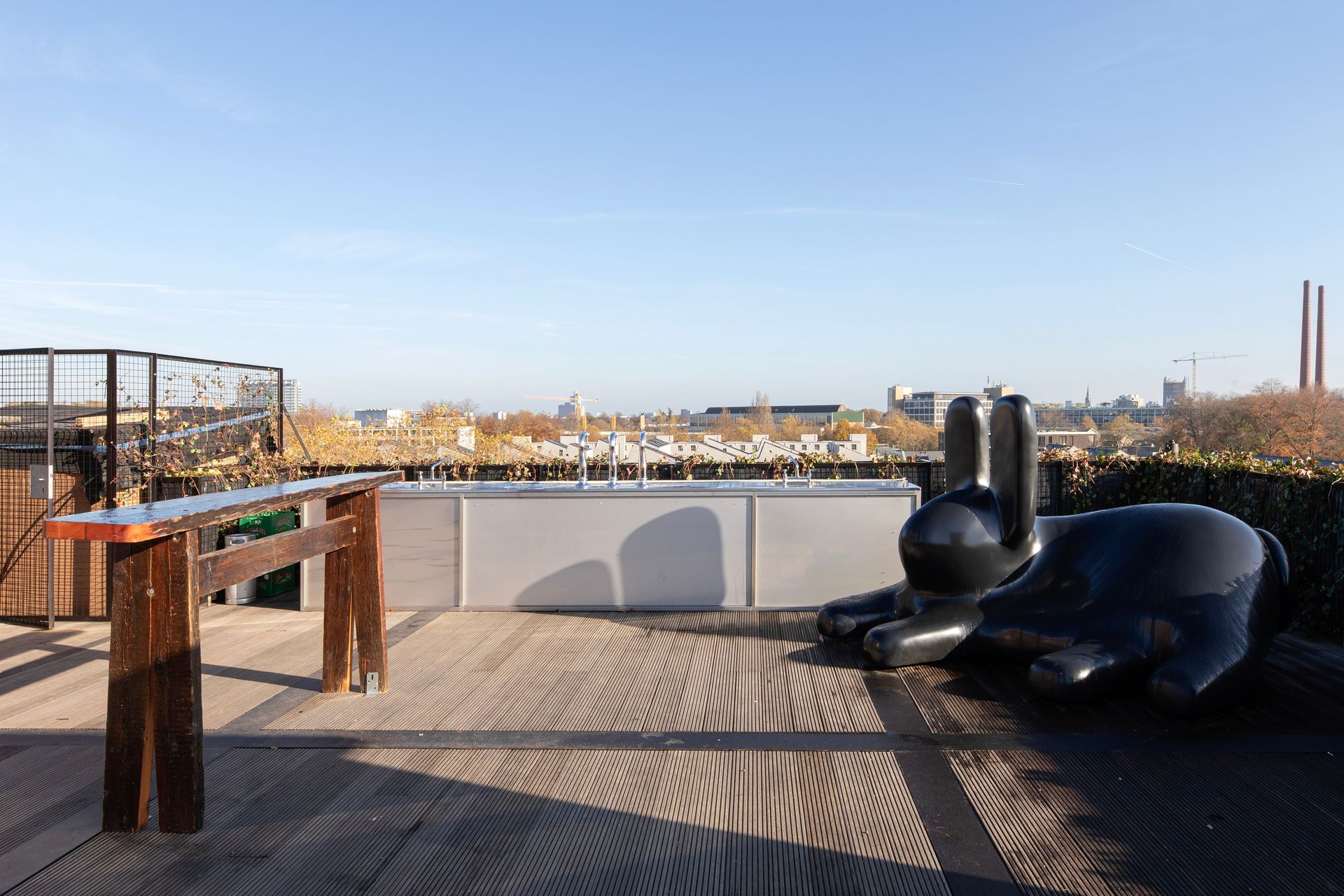
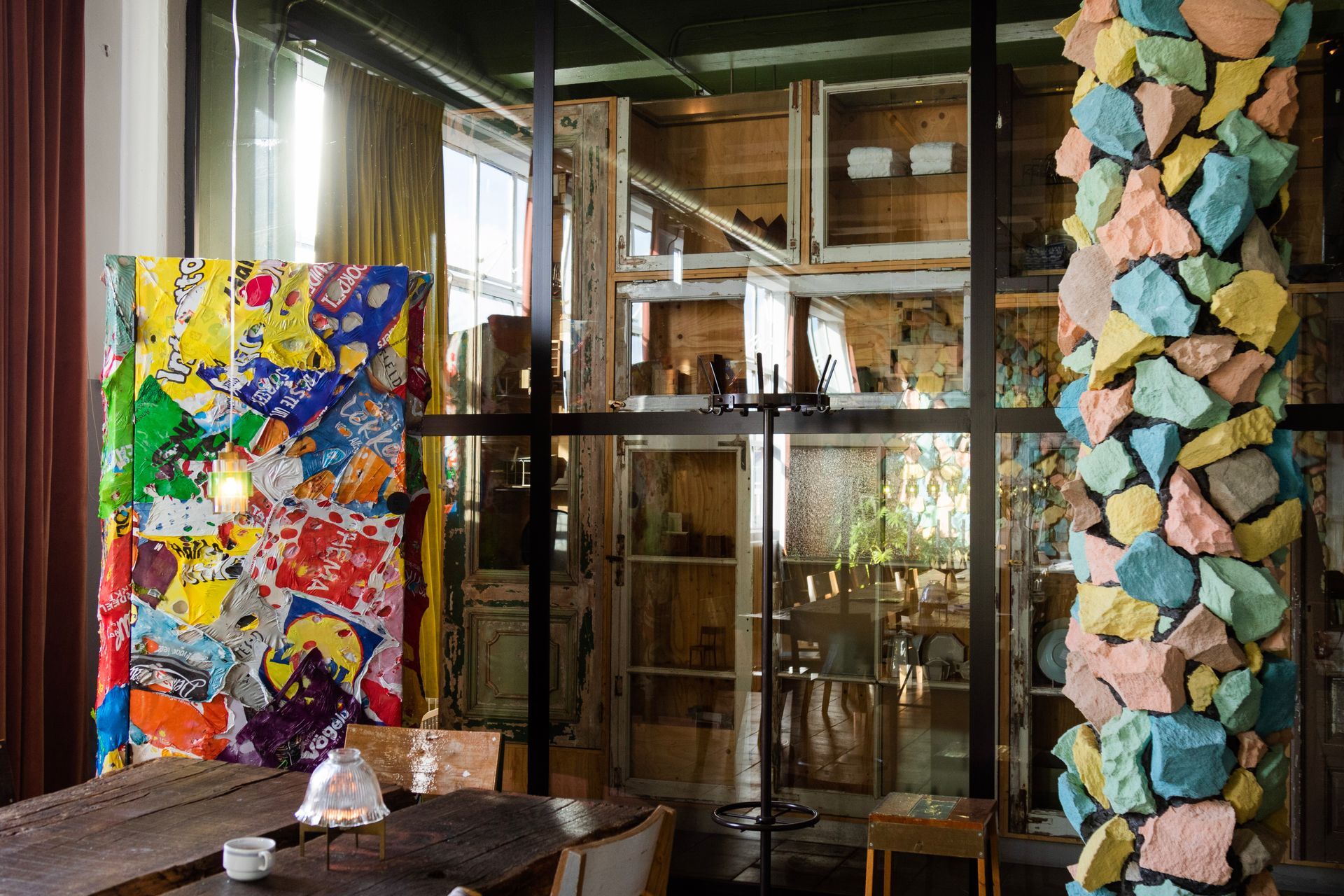
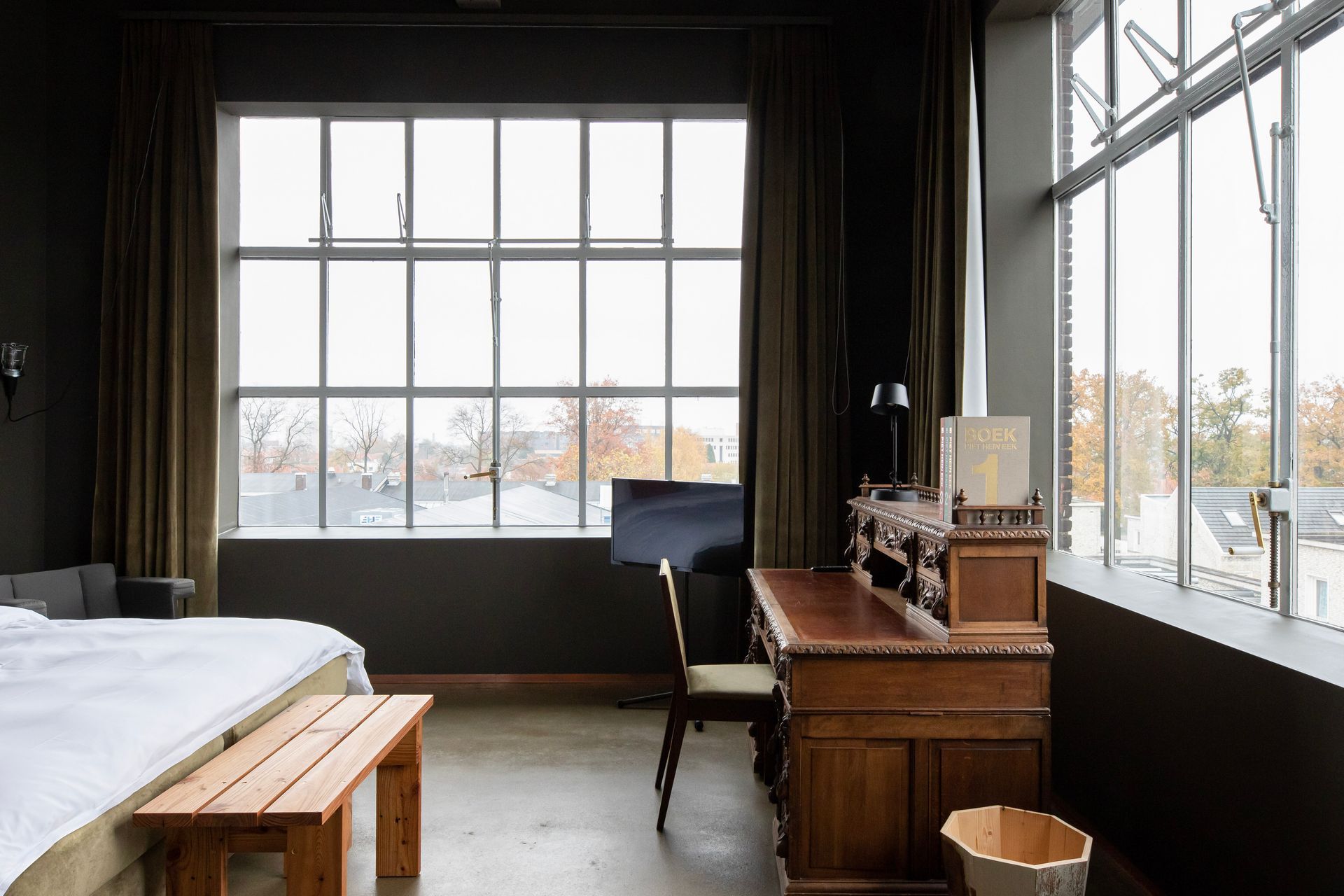
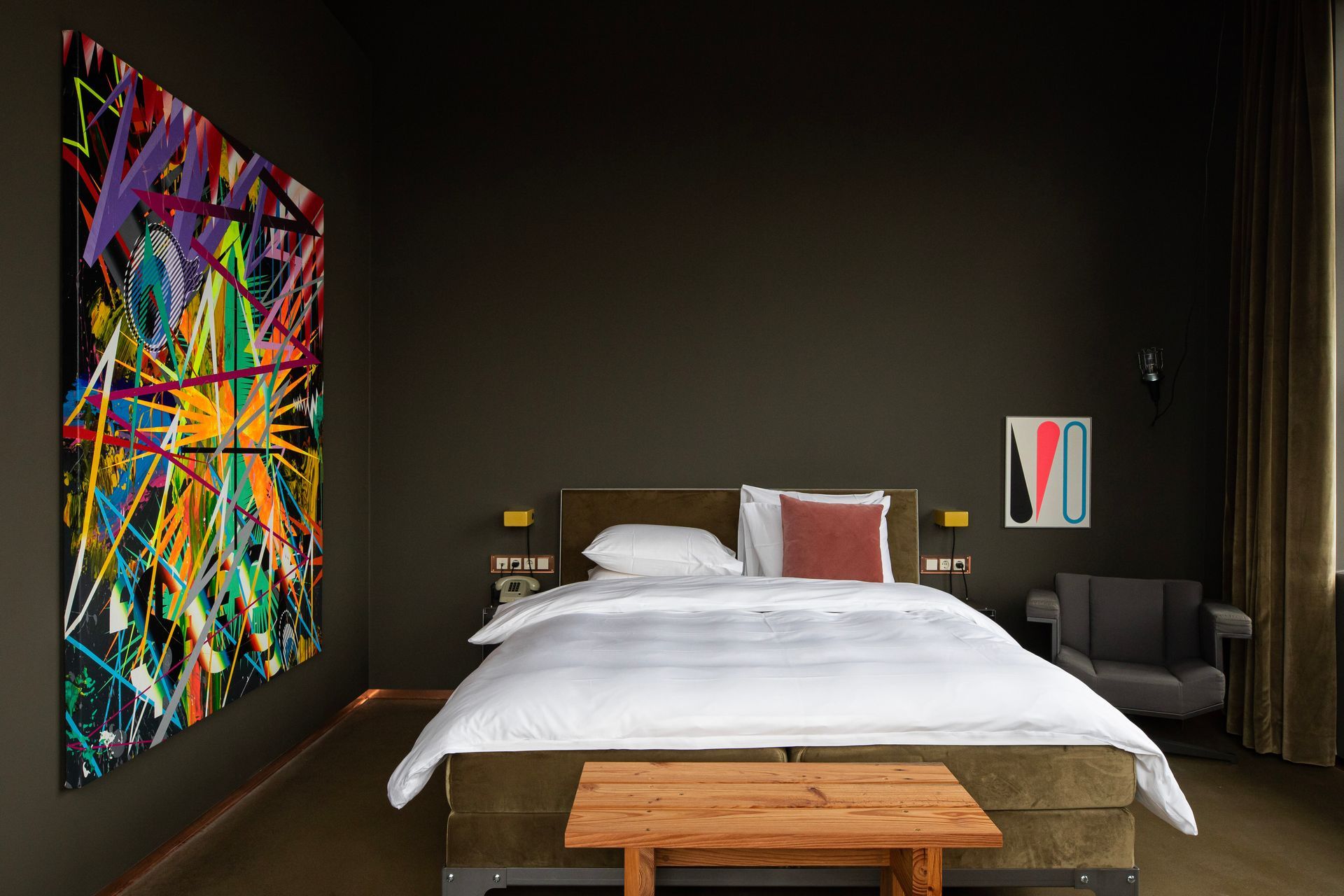
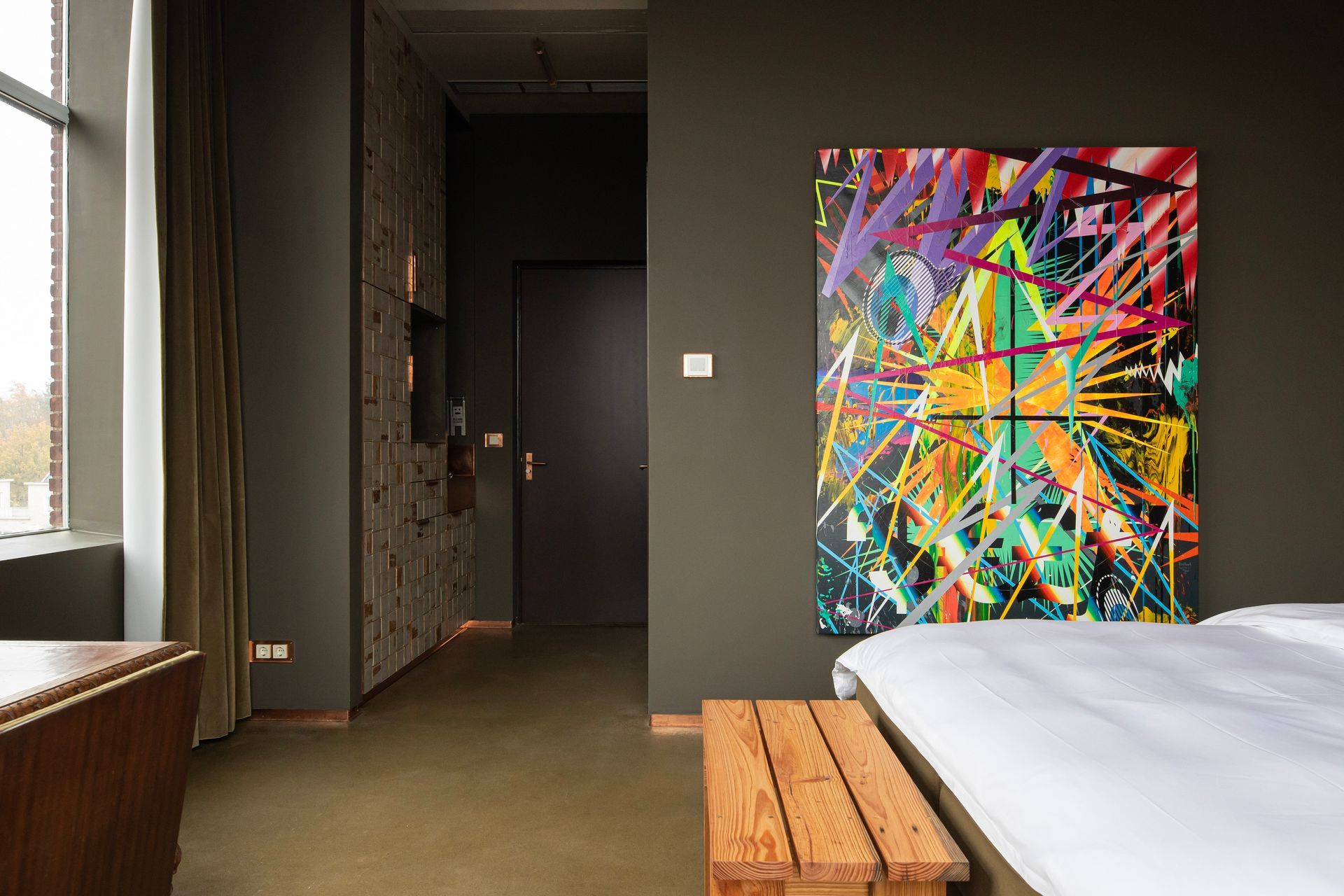
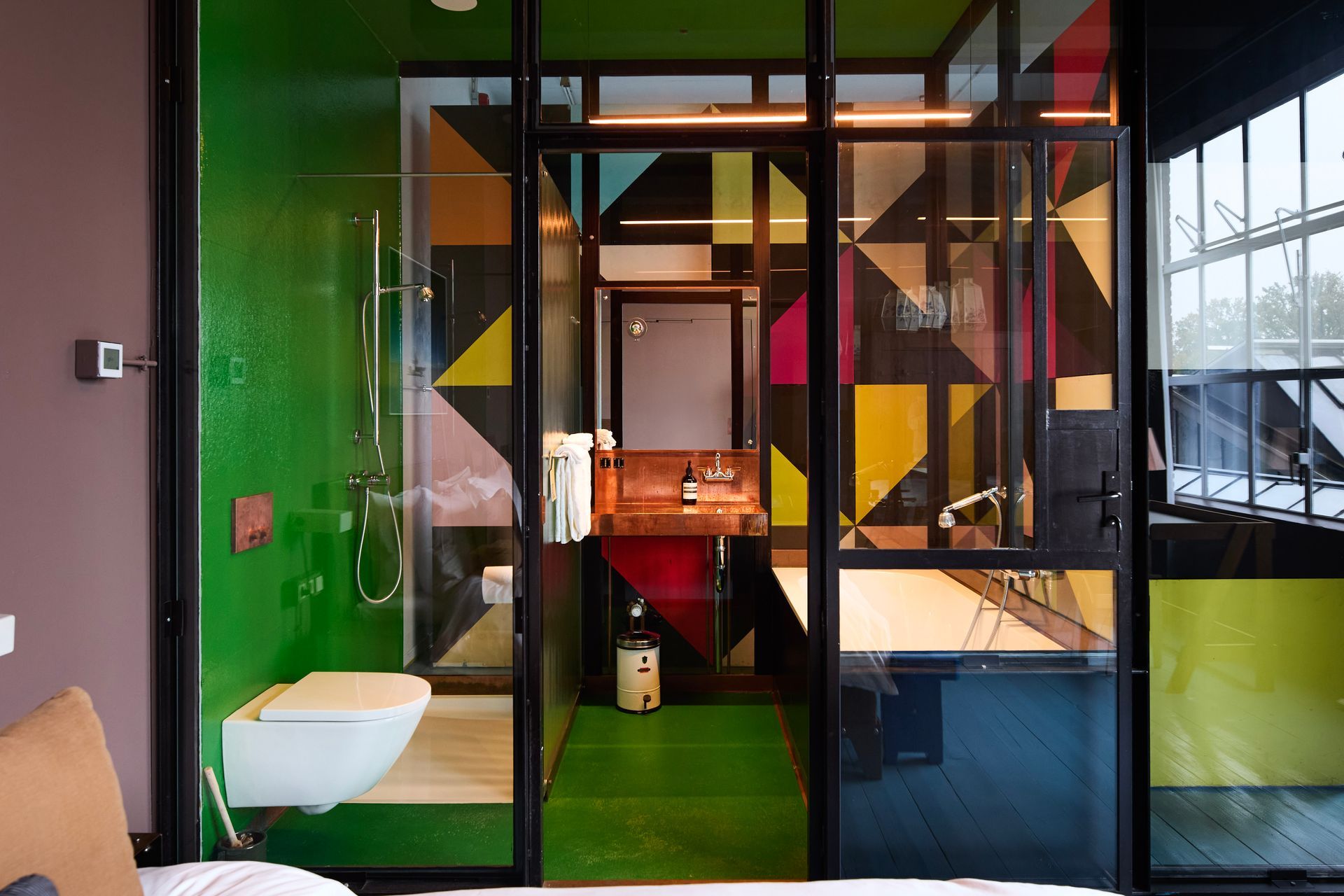
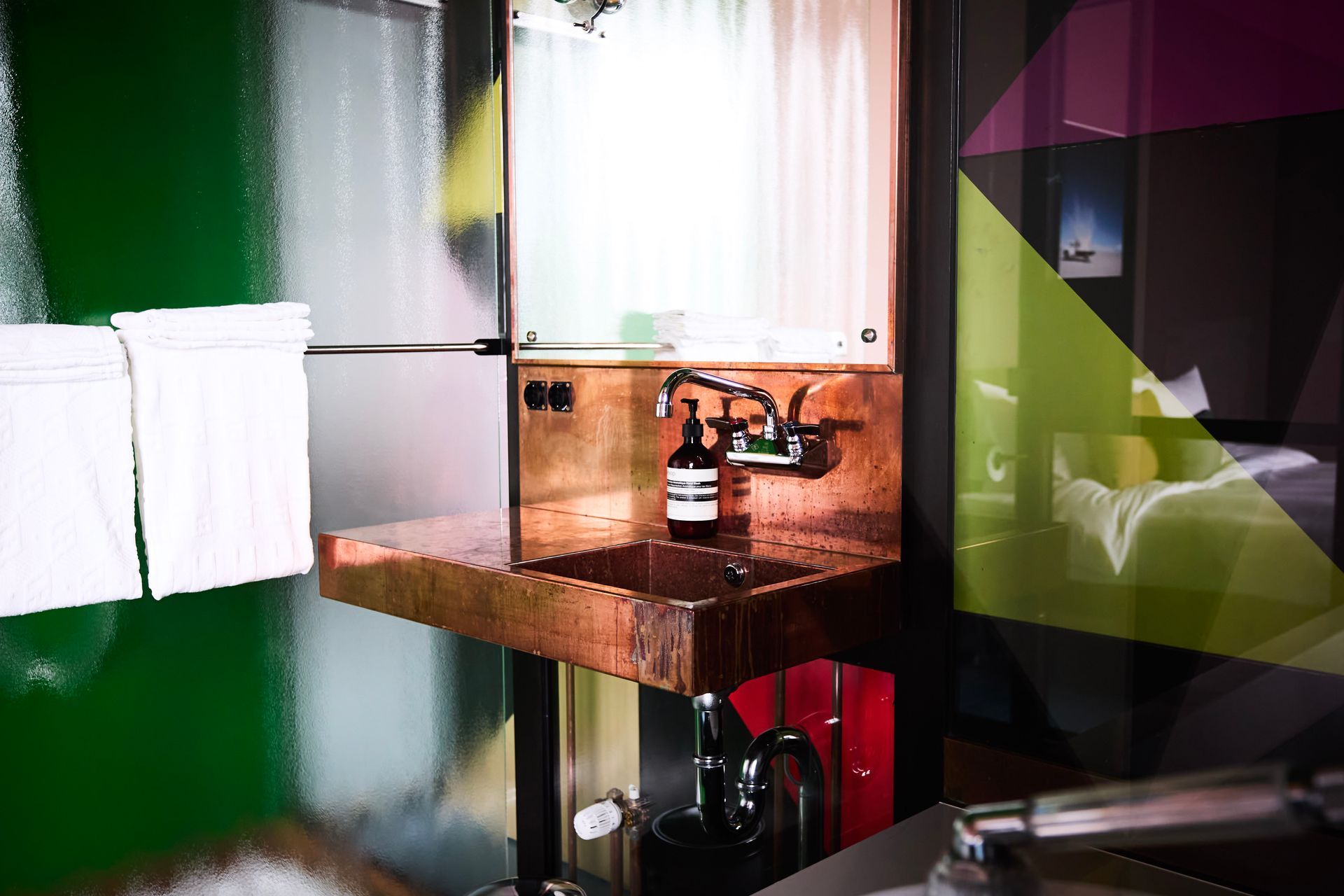
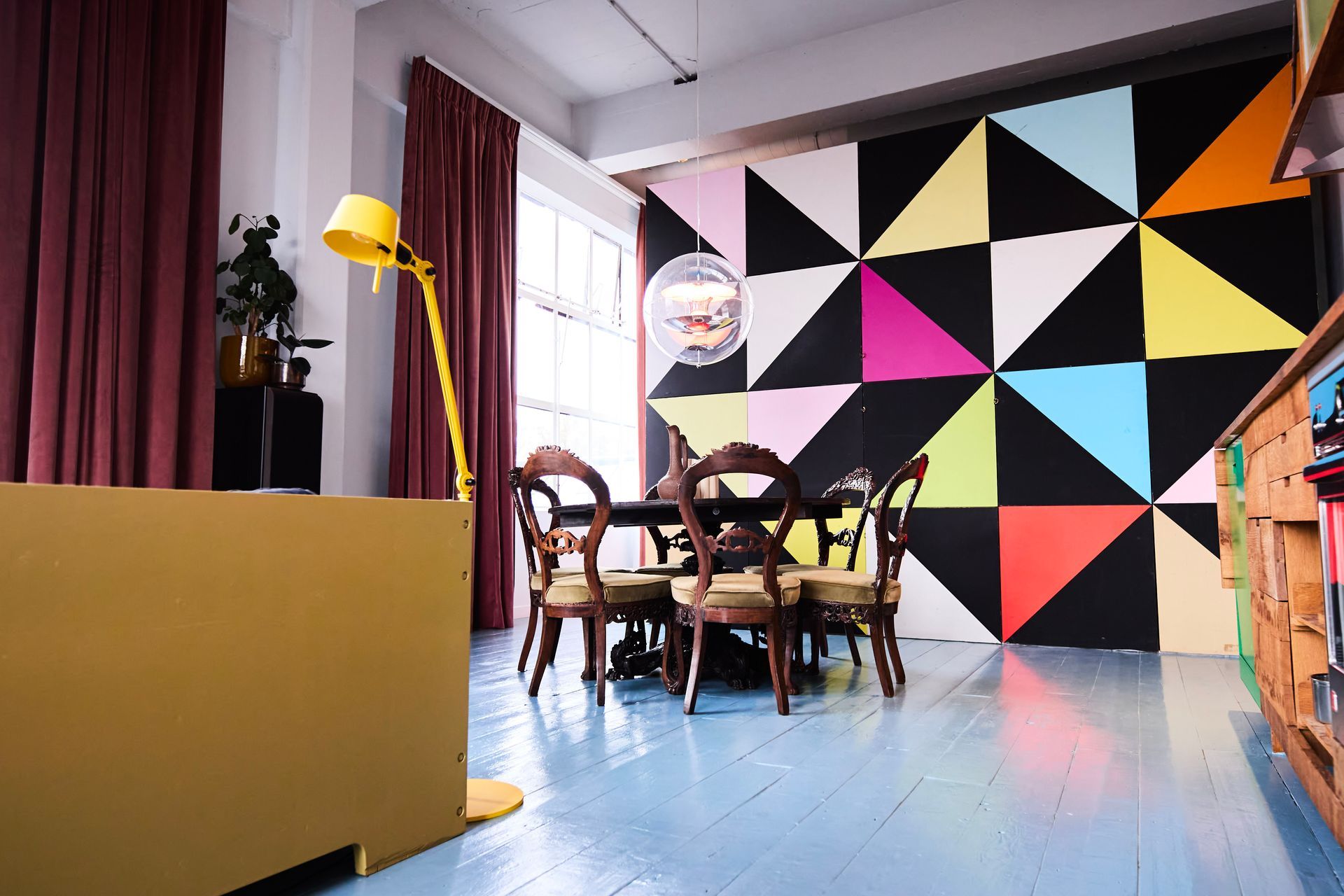
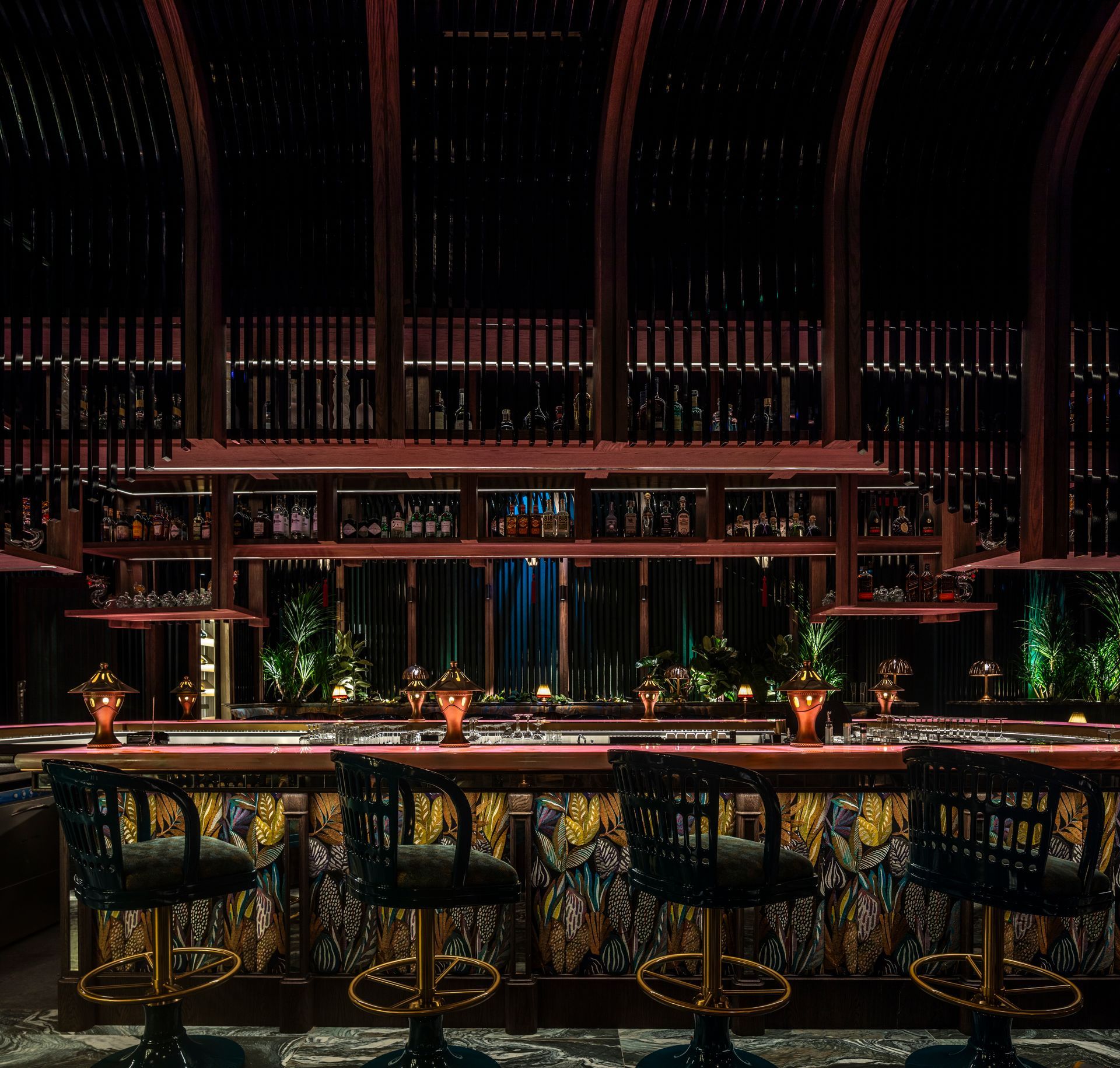
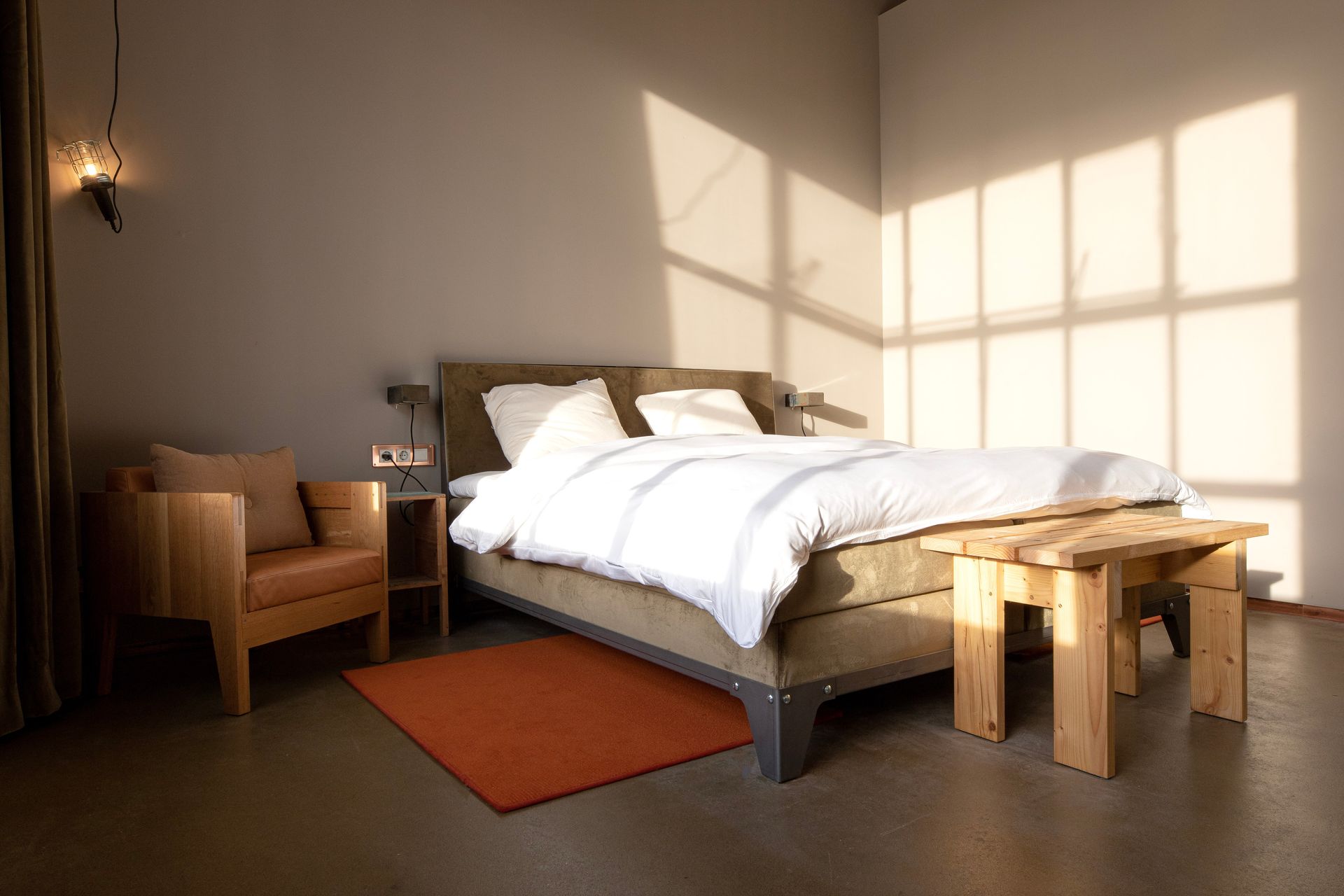
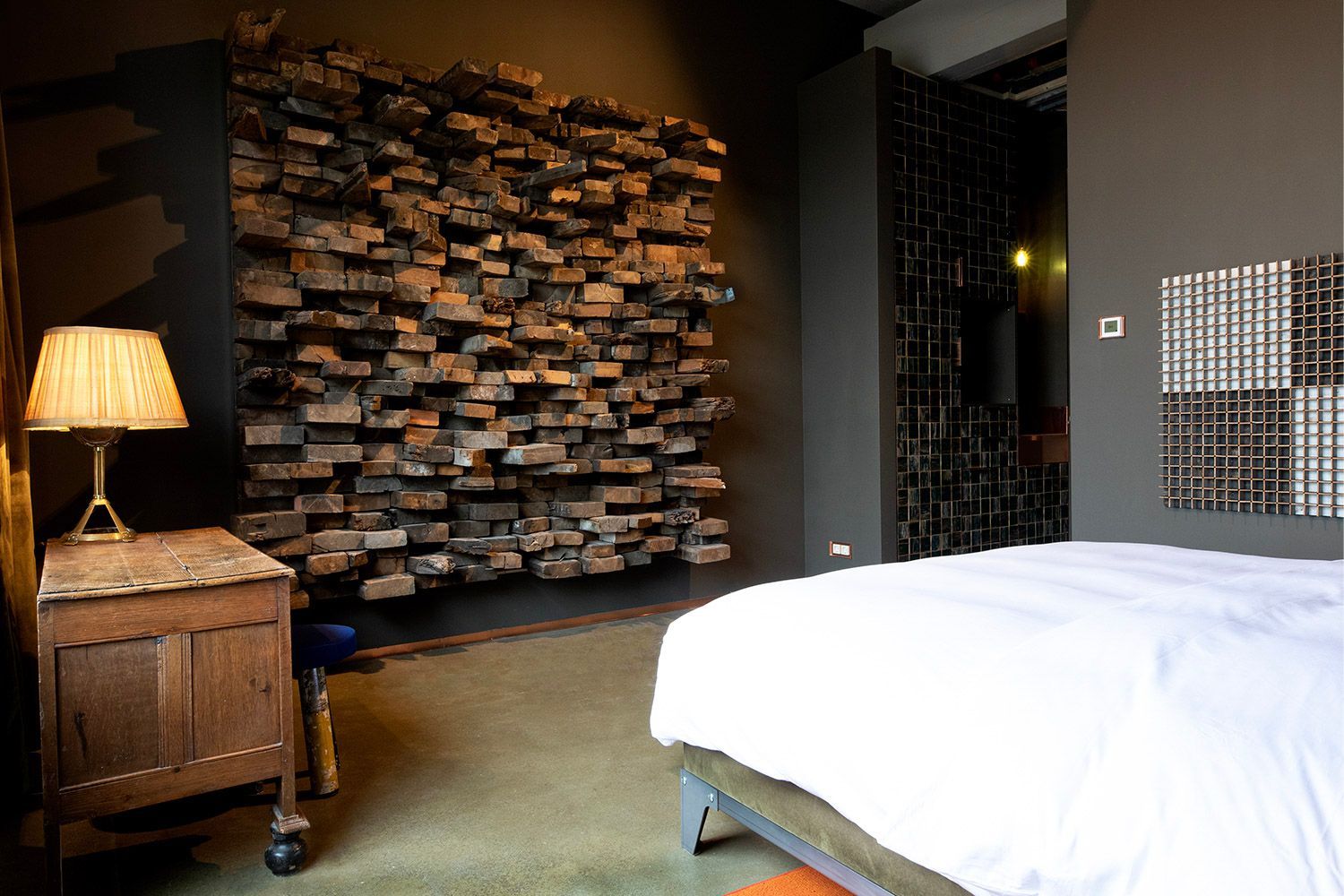
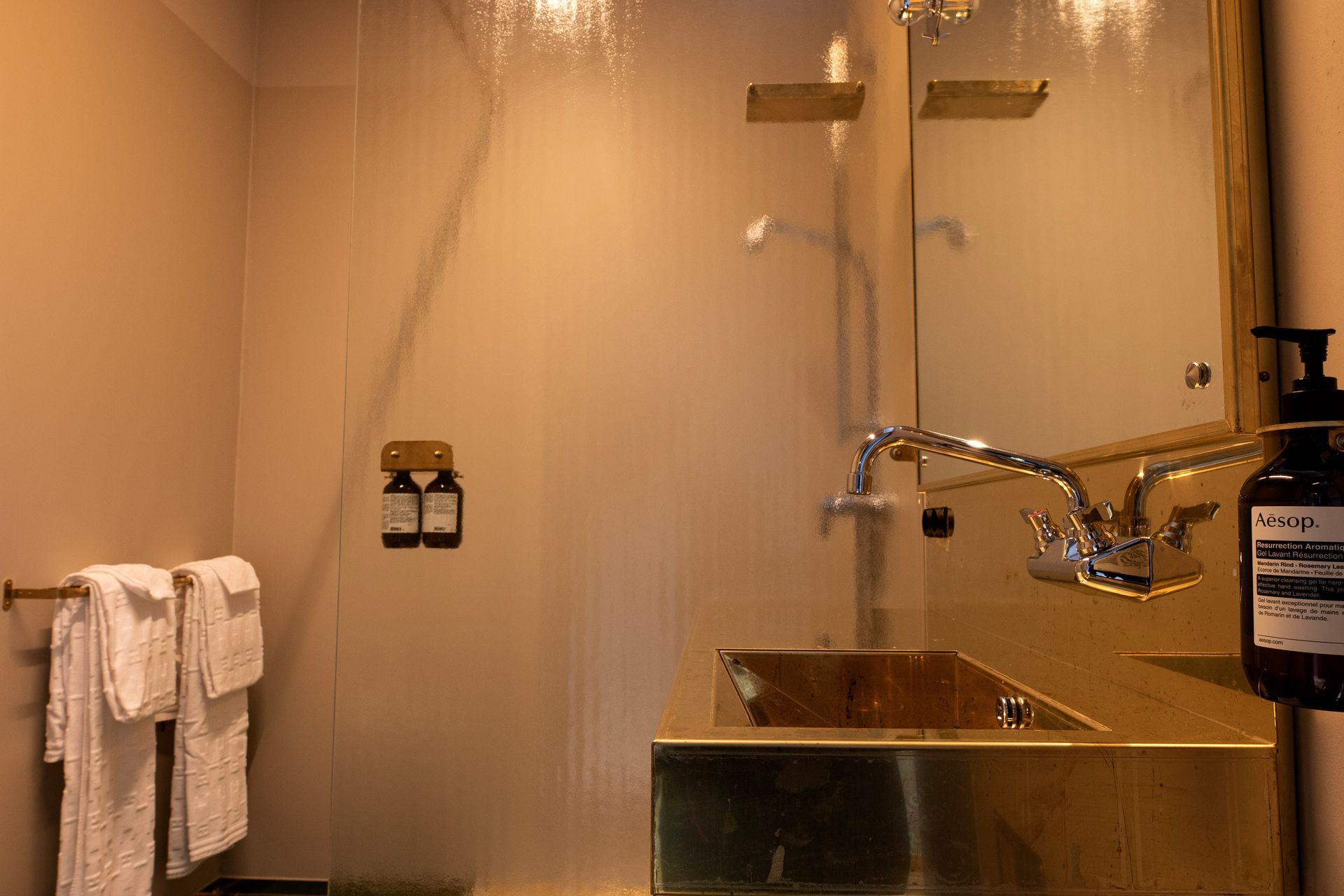
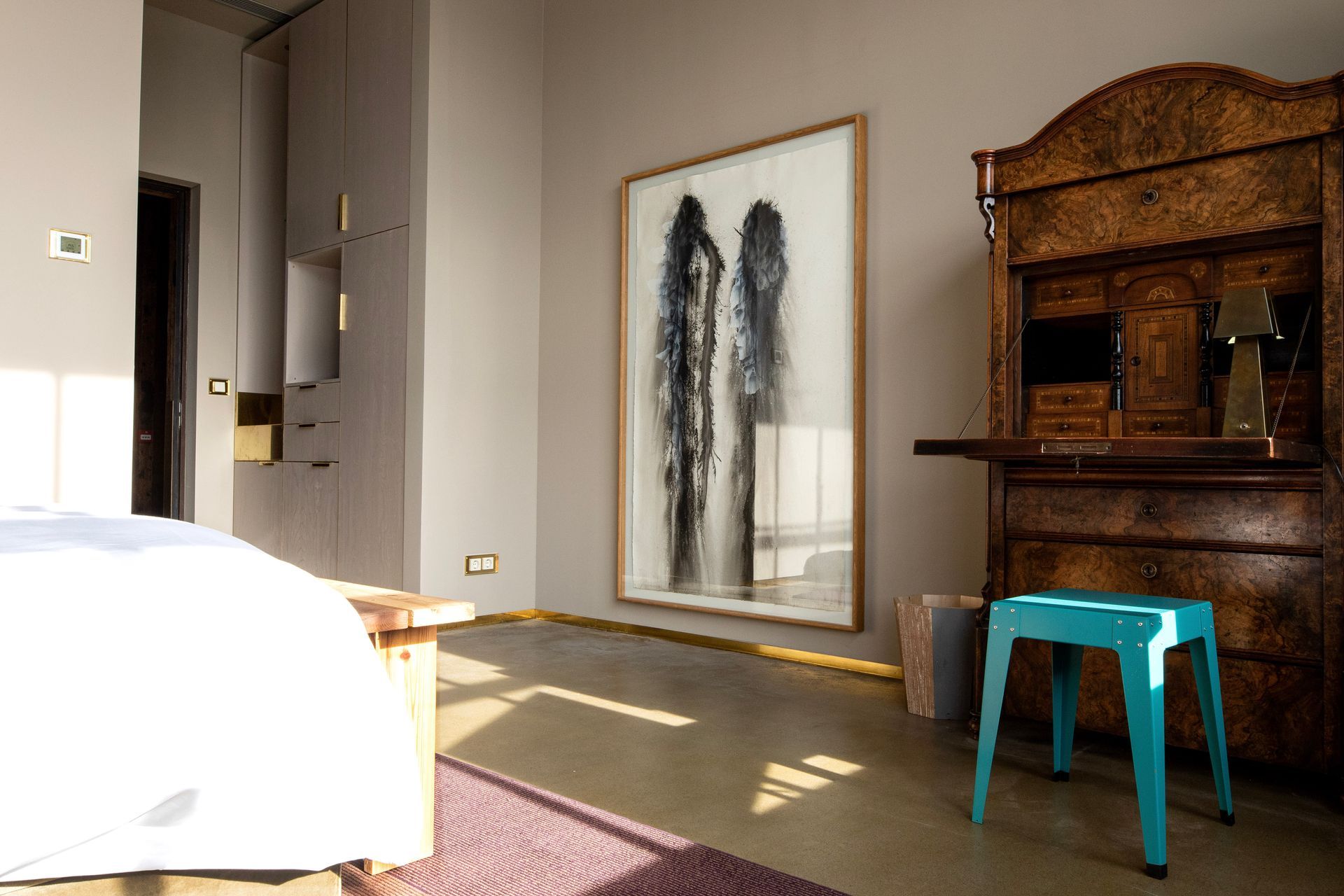
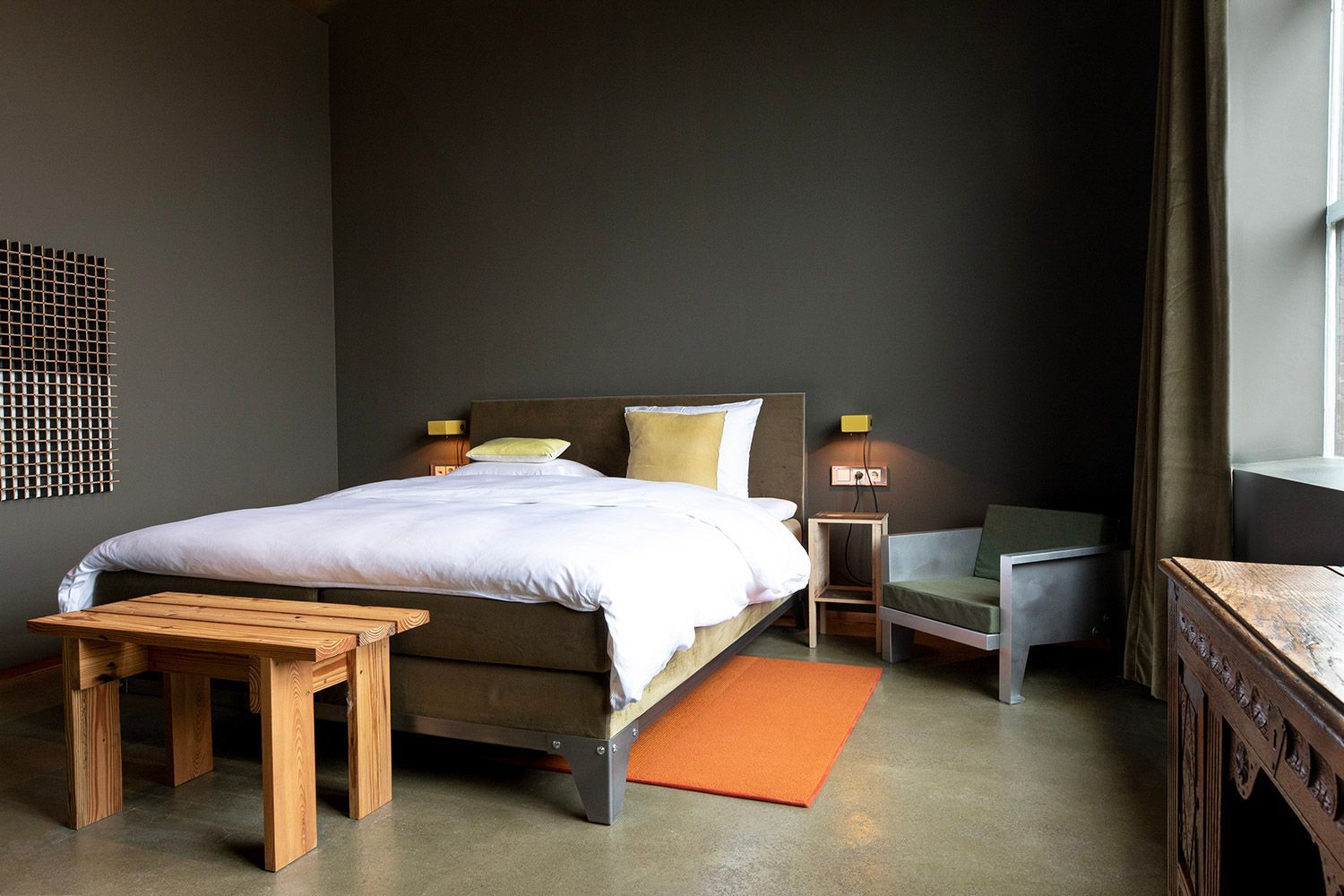
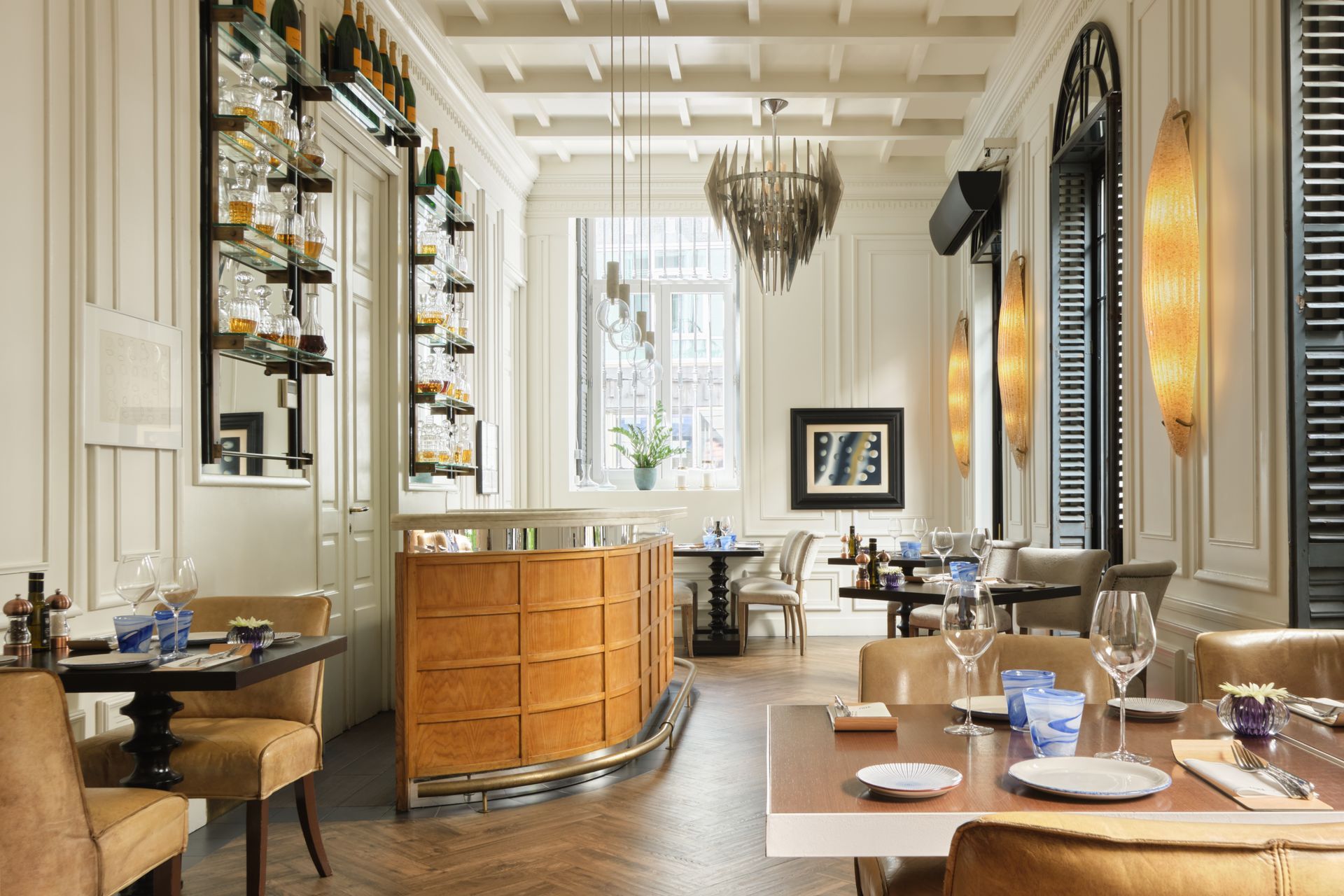
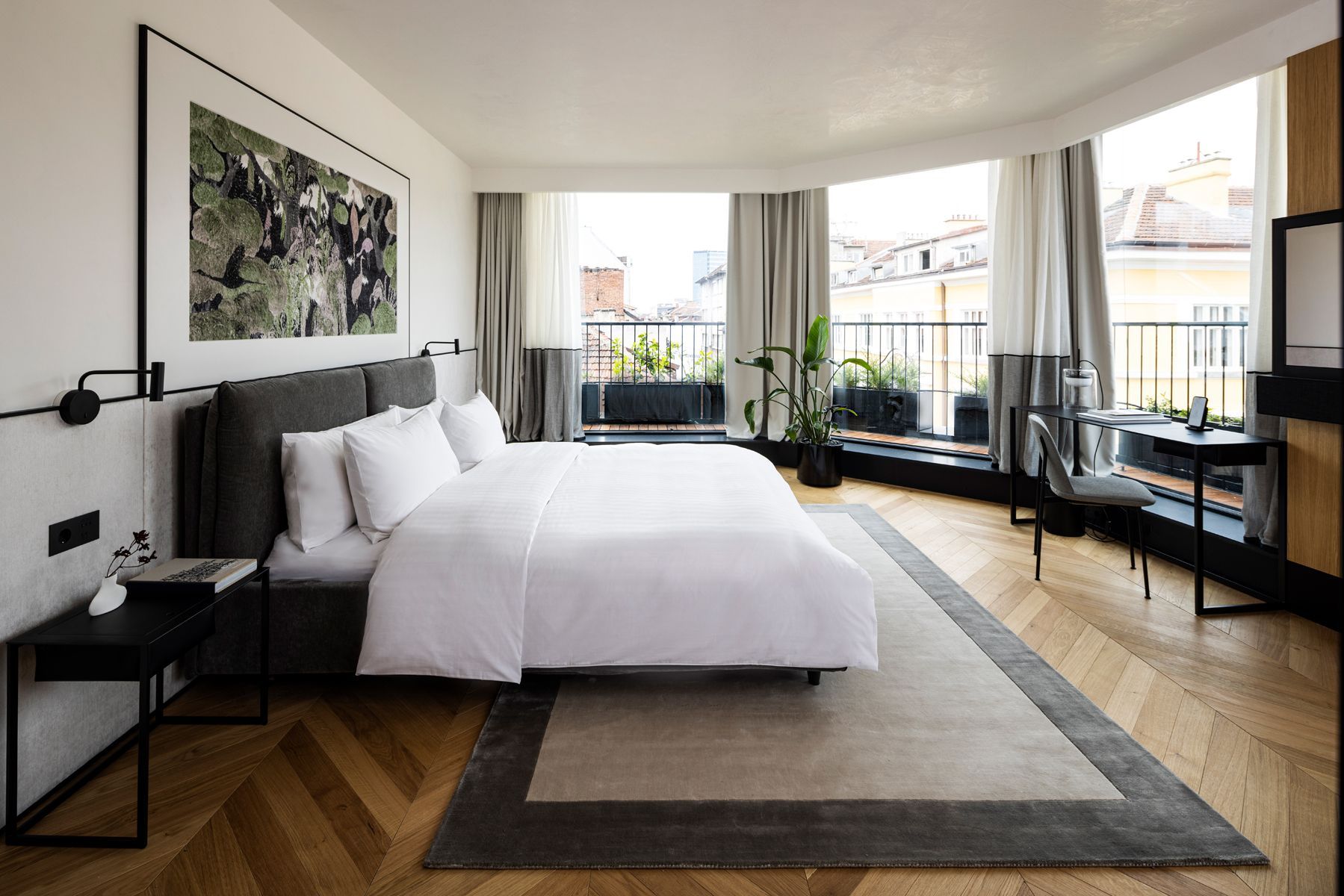
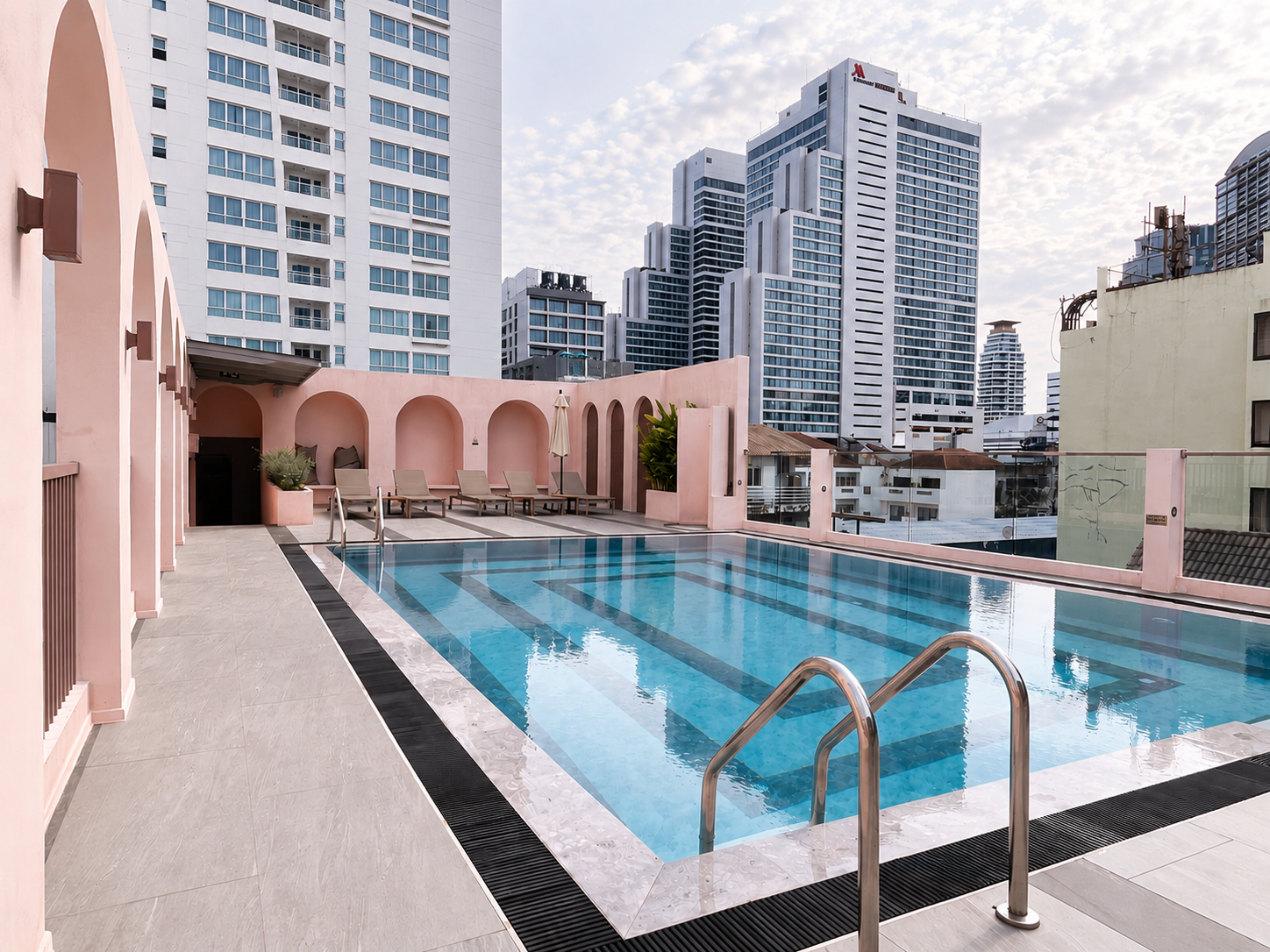
Within the field of interior design for hospitality, Piet Hein Eek represents a distinctive voice. His approach moves away from conventional luxury and instead proposes a more narrative and sensory experience, where design tells stories of materials, time and human work. The Hotel Piet Hein Eek occupies the third floor of the designer’s complex and features 13 distinctive rooms. No two rooms are the same: they differ in colours, materials, details and furniture, often designed in dialogue with artworks. On the floor below, the reception, restaurant and bar form a vibrant open space that also hosts the WonderRoom, where art, antiques and design objects are displayed. Guests can also access the rooftop terrace Dakbar, offering panoramic views over the industrial landscape of Eindhoven.
"I think it’s not the materials themselves but the mix of everything. Also the proportions of the spaces are rather important, and colors!"
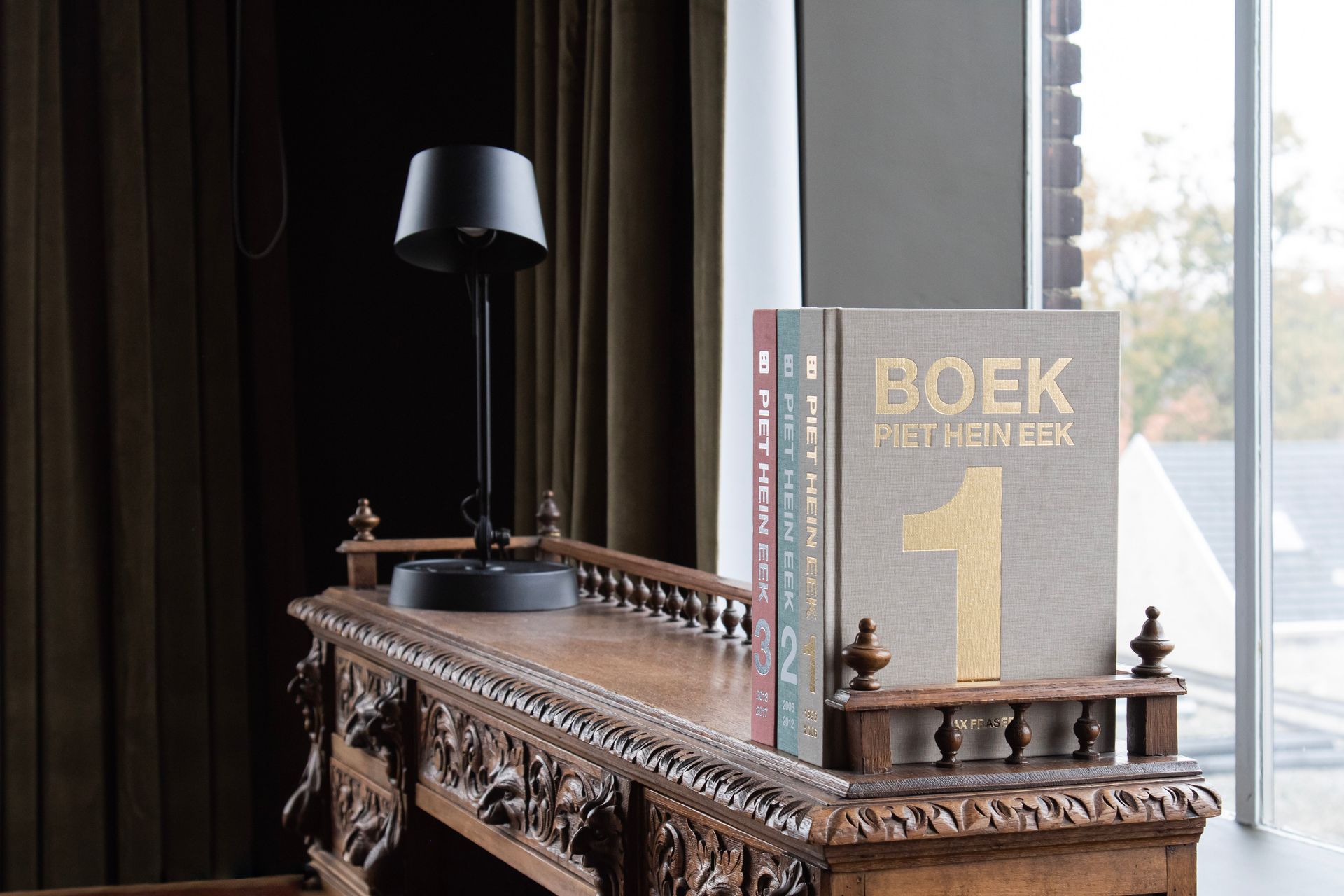
The Hotel Piet Hein Eek was conceived as a natural extension of your creative universe. In what way does this project represent your idea of hospitality?
Design should make people feel nice. You can reach that by making a remarkable shape or create an extraordinary experience, but for me both should feel natural. The experience is coming home, feeling welcome and being embraced as a natural quality.
Translating your design philosophy into a hotel means responding to new requirements. What were the main challenges in bringing the hotel to life?
The biggest challenge in gastronomy is logistics. For a small hotel like we are, this even more difficult /important. I think this is one of the most successful parts of the design of the hotel. We can offer great service in a wonderful ambiance without too many employees.
The reuse of materials is a recognizable signature of your work. How does this approach integrate with the needs of contemporary hospitality today?
I think (like I wrote before) that it’s merely about creating an environment in which people feel welcomed and embraced. Perhaps this is even easier with materials carrying and showcasing their past because a sense of time and history is always important.
Is there any aspect of the Hotel Piet Hein Eek project that you still consider evolving or open to change?
We’re continuously working on better experiences. Most important is that the team is comfortable and open to improvements and changes. I hope we’ll be able to bring together even more and better people.
What kind of experience would you like guests to take with them after staying at Hotel Piet Hein Eek?
From the beginning my idea was that our guests get the full experience of my designs and the world we created. Everything you can touch and see is thought of and made by our craftsmen. It is the only hotel made in the same building as where it’s located.
Do you envision opening, or would you like to open another hotel in the future?
Sometimes when I visit a place abroad and feel the environment and see a building, I think about creating a similar place but then with a sort of concept store, restaurant and hotel. Even more beautiful would be if we have a place where craftsmen who make their own products is added.
How do you imagine the evolution of hotel design in the coming years?
I think the biggest challenge in our (western) world are the labor costs. The solution for most hotels now is bringing costs down by size and computerizing and asking more money, but perhaps the most important part is creating service as close to the guests as possible. This can be achieved by designing the place and perhaps changing standards?
Do you think more and more hotels will become cultural destinations, beyond being places of accommodation?
I certainly think there’s more need for hotels which are more than pure accommodation, but a hotel is also just accommodation for many guests.
If you had to describe Hotel Piet Hein Eek in a single sentence, not as a designer but as a guest, what would it be?
The place with a feeling of being home but with the service of being in a hotel.
Address Halvemaanstraat 30, 5651 BP - Eindhoven, the Netherlands
SHARE THIS
Contribute
G&G _ Magazine is always looking for the creative talents of stylists, designers, photographers and writers from around the globe.
Find us on
Latest News
Subscribe
Keep up to date with the latest trends!
Popular Posts