


From Kuwait's Landscape to the World: The Story Behind Monor Design
G&G _ Magazine speaks with Fatemah Mahmoud, founder of Monor Design, about the relationship between Kuwaiti heritage, landscape and contemporary surface design.
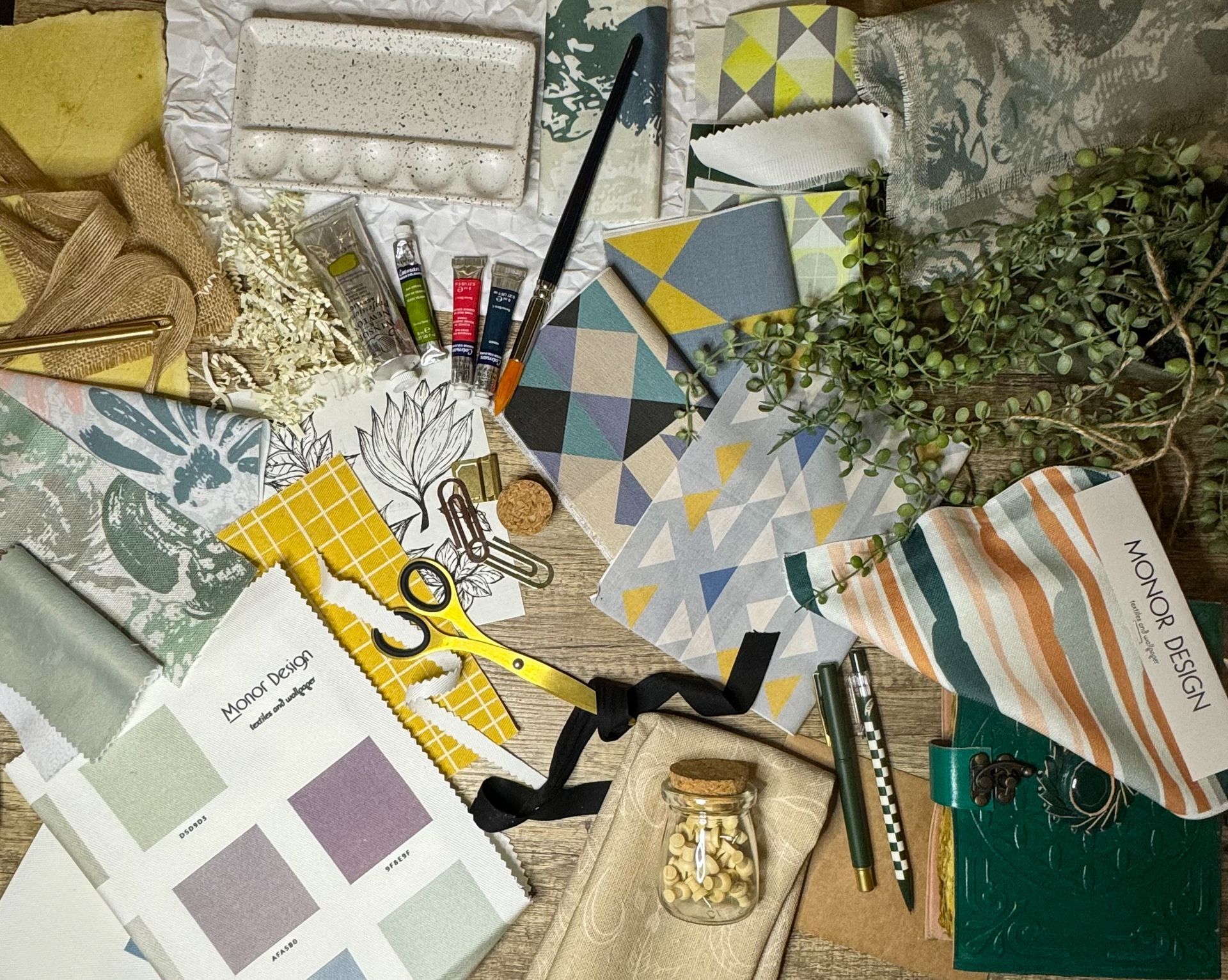
Founded by Fatemah Mahmoud in Kuwait, Monor Design is a surface pattern studio translating the visual identity of the Gulf into contemporary designs for interiors. Rather than drawing inspiration from heritage at a distance, Fatemah begins with direct observation: landmarks, landscapes, architectural details and traditions become the starting point for patterns developed entirely by hand. Watercolour sketches, textures and colours found in the Kuwaiti landscape are carefully translated into a visual language that feels both deeply rooted and internationally relevant.
Could you tell us a little about yourself and the initial story behind Monor Design?
I'm Fatemah, a Kuwaiti surface pattern designer and the founder of Monor Design. I create patterns for textiles, wallcoverings and interiors, often inspired by the places, culture and everyday details around me.
I actually started my career as a teacher and taught computer studies for many years, although drawing, colour, textiles, wallpaper and interiors were always part of my life. Later, I chose to build a creative career from my home studio, giving me the flexibility to stay close to my daughter, who has special needs.
Even the name Monor is very personal. It comes from the names of my two daughters, Mona and Noor. What began as a personal creative journey gradually grew into Monor Design.
Kuwait seems to be at the heart of your creative process. How does it inspire you?
Kuwait is part of who I am. I'm deeply influenced by my Kuwaiti and Gulf identity, our landscapes, architecture, family gatherings, hospitality and the Eastern love of colour, detail and storytelling.
At the same time, I've always loved European decorative arts, countryside interiors, traditional textiles and botanical patterns. This mix naturally became part of Monor.
I like to describe it as Kuwaiti in its soul, but open to the world in its visual language.
You personally sketch many of the places and details behind your collections. How important is this process?
Drawing makes me slow down and really observe. I'm fascinated by the small details of everyday life, the things we often pass by without really noticing.
I'm especially drawn to flowers and botanical forms. I love looking closely at petals, leaves and tree trunks, their lines, textures and tiny imperfections. Flowers have always been one of my favourite subjects to draw, and they naturally find their way into many of my patterns.
I also love travelling and discovering different countries through their art, craft and culture. I don't try to reproduce everything I see perfectly. I'm more interested in what catches my eye, what stays in my memory, and how it eventually finds its way into my work.
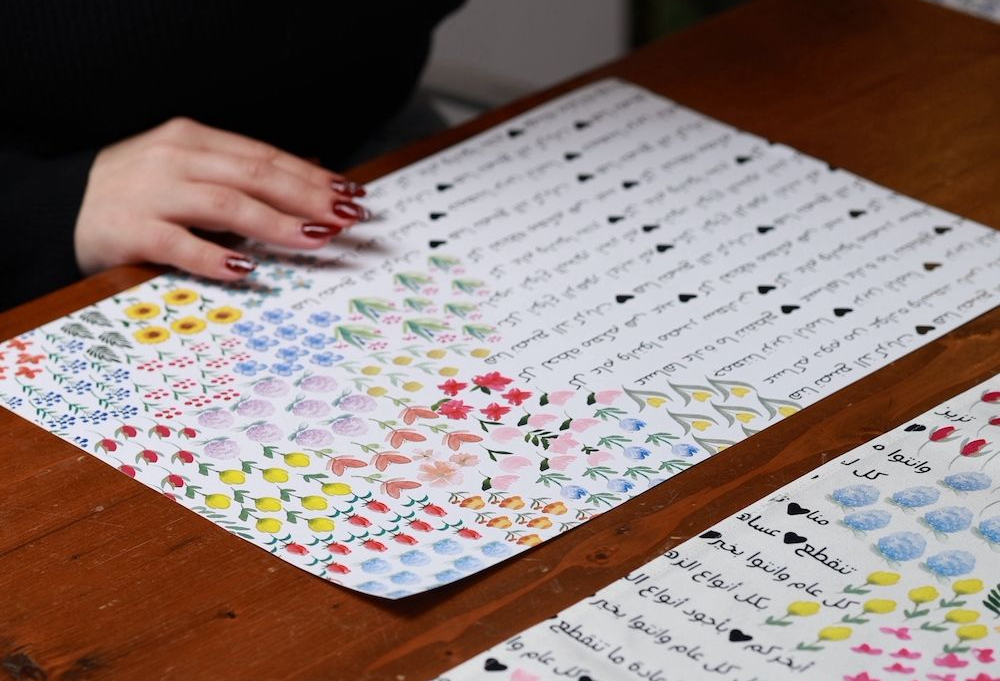
Monor Design's collections move between the cultural and the geological, from the distinctive silhouette of the Kuwait Towers and the coastal world of traditional dhows to the layered cliffs of Jabal Al-Zour. The resulting designs extend across textiles, wallcoverings, cushions, rugs, bedding and hospitality applications, giving familiar elements of Kuwait a new decorative expression. With Sea & Spire and Glowing Clay, Fatemah demonstrates how a sense of place can become a complete interior vocabulary: one that connects Kuwaiti identity with the broader language of contemporary design.
Sea & Spire combines Kuwait's landmarks and coastal heritage with Toile de Jouy. What inspired this connection?
I've always loved how Toile de Jouy tells stories through architecture, landscapes and everyday scenes. With Sea & Spire, I wanted to celebrate the beauty of Kuwait's architecture and coastal heritage through this French visual tradition.
I loved seeing these two worlds meet, creating a conversation between Kuwaiti identity and French decorative storytelling.
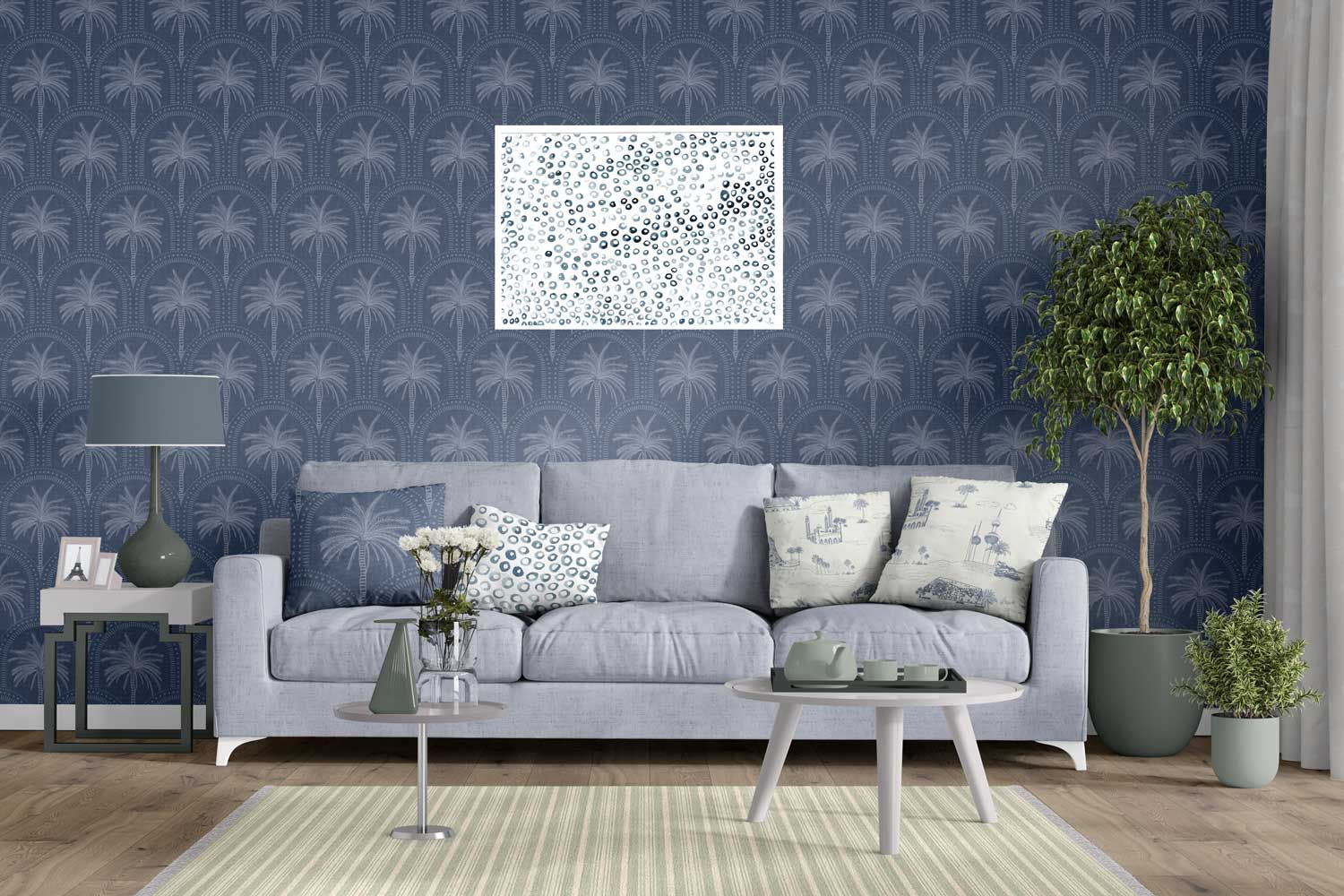
Sea & Spire
Glowing Clay draws inspiration from Kuwait's desert landscape. How did this environment shape the collection?
I'm fascinated by the quieter side of Kuwait's landscape, the dry earth, sand, rocky hills and the natural layers and textures shaped by the climate.
At first, the desert can seem very simple, but when you look closely, there is so much variation in its colours and surfaces. Warm clay tones, mineral shades, erosion and the textures of the earth became the starting point for Glowing Clay.
I wanted the collection to capture that raw, earthy beauty and translate it into wallcoverings, cushions and rugs.
How do you translate one pattern across textiles, wallcoverings and furnishings?
I always think about where the pattern will live. Fabric moves and folds, wallpaper becomes part of the room, while furnishings bring you closer to the design.
I adjust scale, repetition and colour so each pattern feels created for its surface rather than simply placed on it.
"Every pattern in the collection was drawn and painted by hand, in watercolor, circle by circle, a slow process I genuinely loved every step of. What began as sketches of the Towers, dhows, and coastal architecture grew into a full collection: cushions, wallpaper, murals, bedding, table linen, and hospitality pieces. It's the first time Kuwait's landmarks have been rendered in this style, bridging the elegance of European heritage with the pride of Kuwaiti identity."
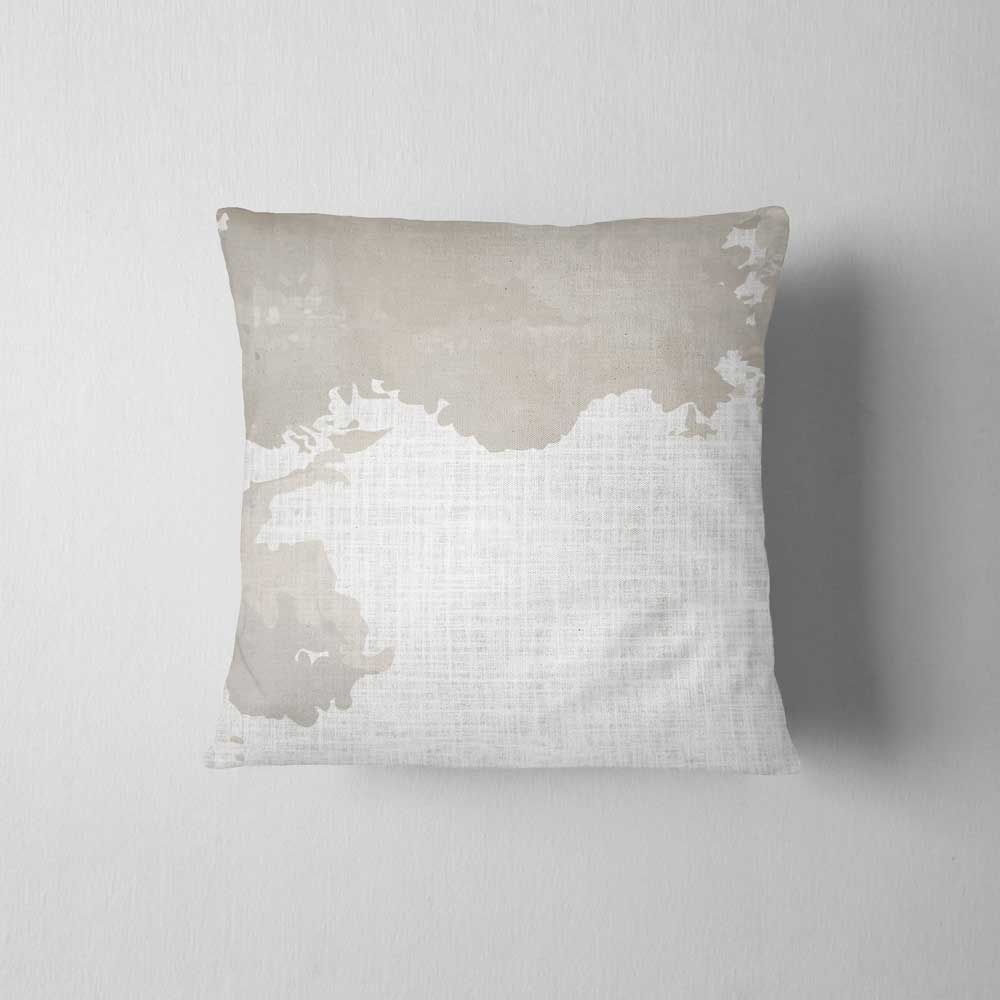
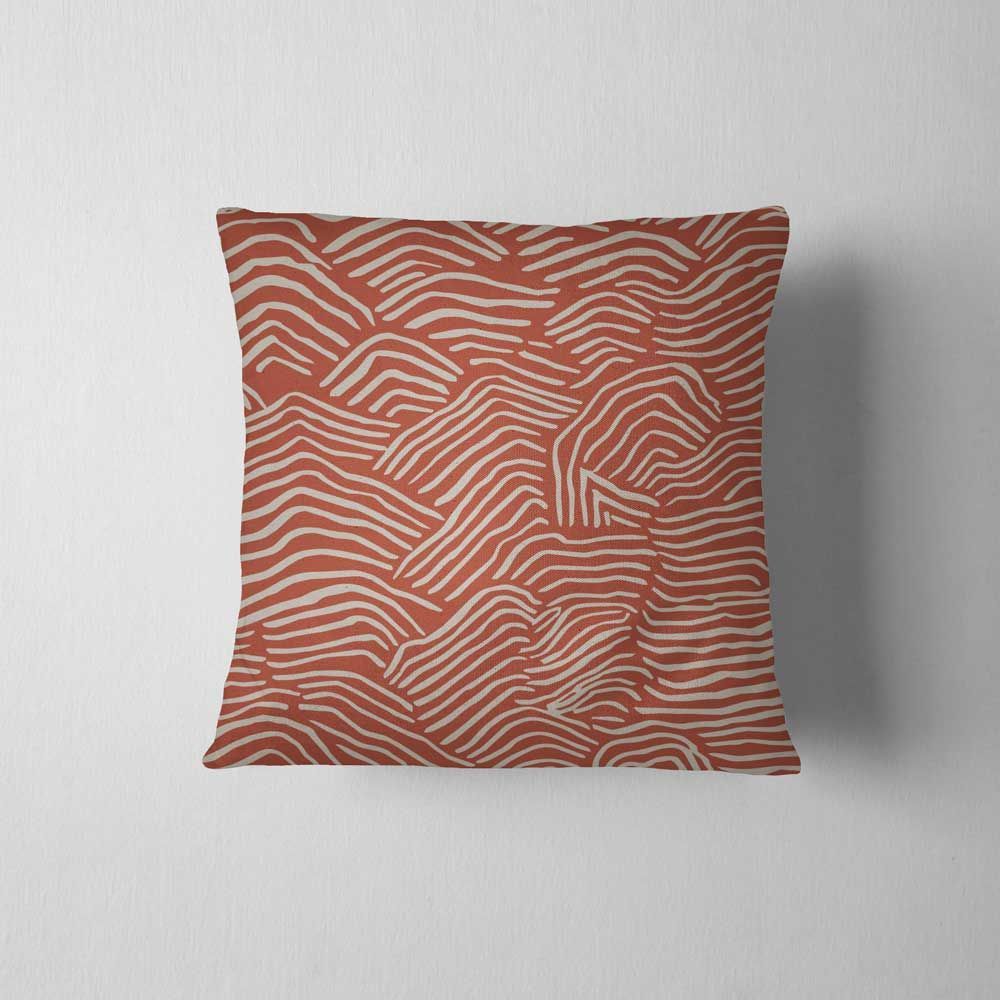
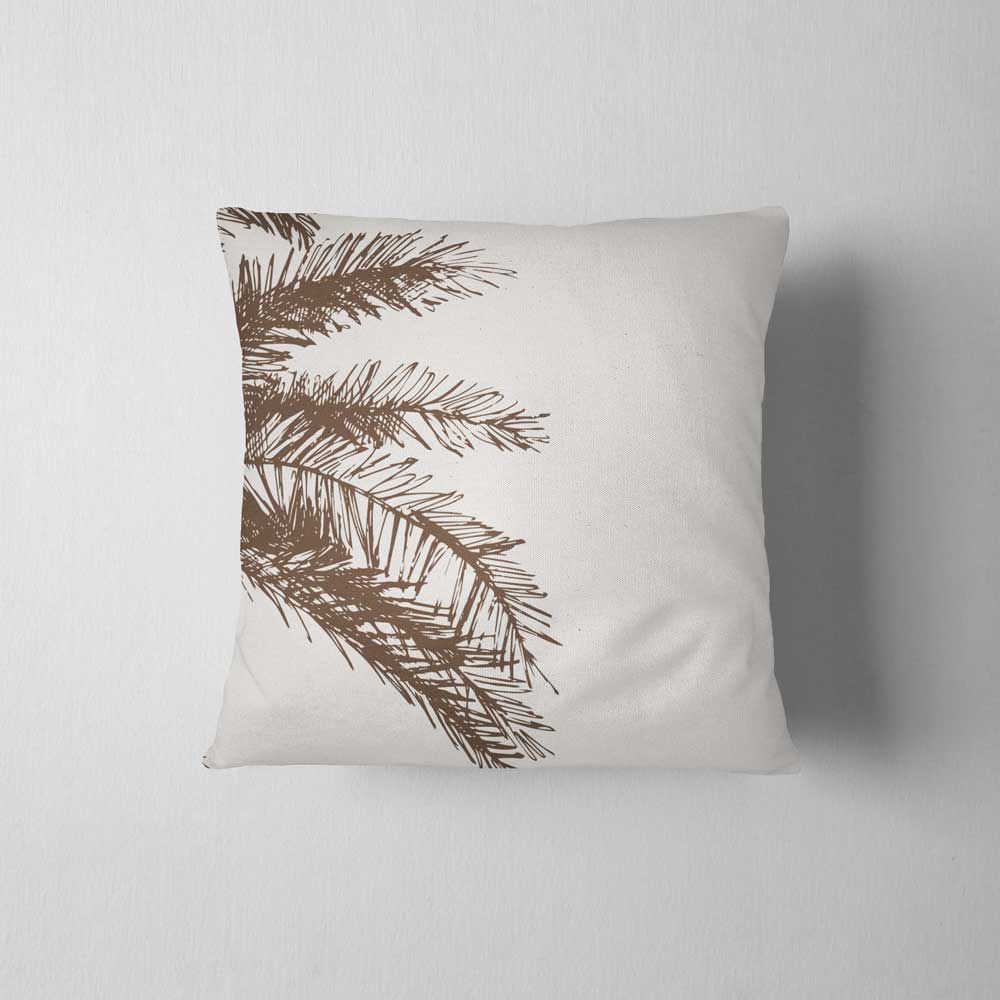
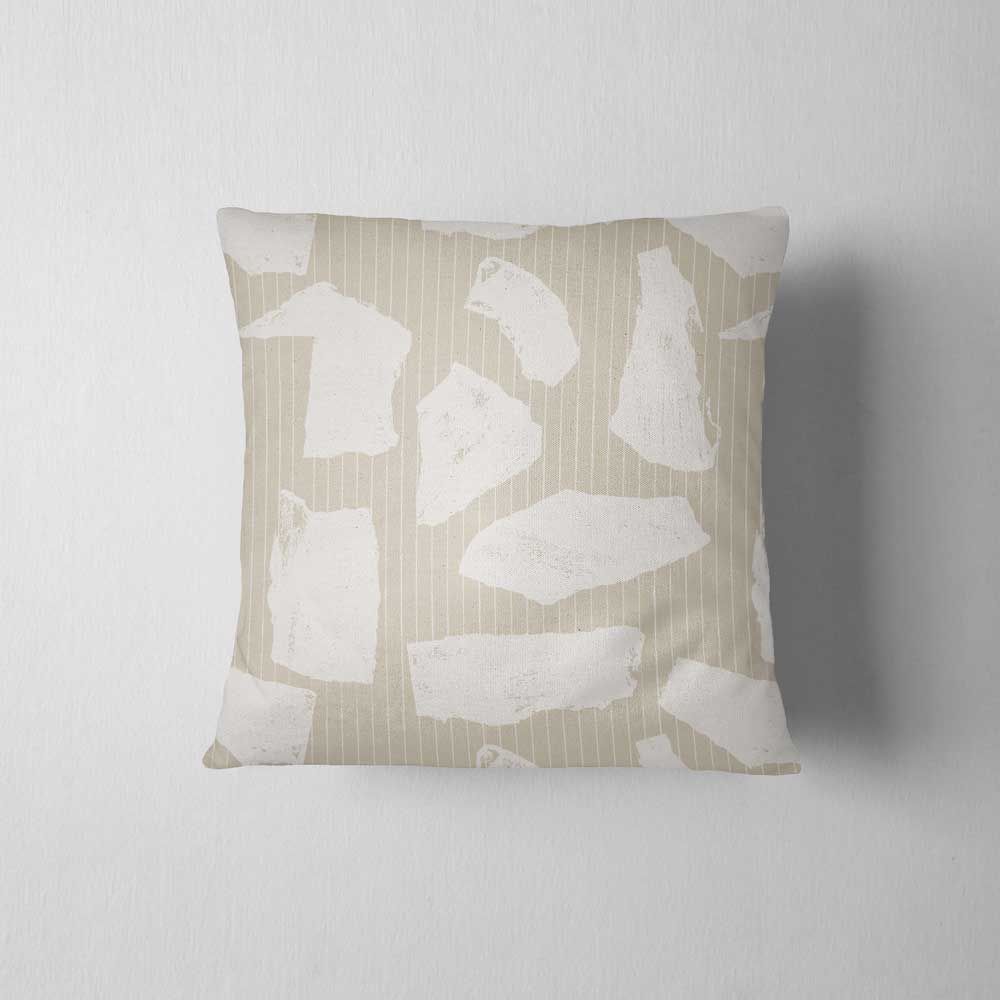
Glowing Clay
What does your first participation in Maison&Objet Paris mean to you?
It feels a little surreal. I started as a teacher, learned design, built Monor from my home studio, and now I'm bringing my work to Paris.
I hope visitors discover another side of contemporary Kuwait through its landscapes, architecture and everyday stories. I also hope this opens conversations with designers, architects and brands for future collaborations and licensing.
Most of all, I hope people leave curious about Kuwait and remember Monor.
What would you like someone to feel when they see your work for the first time?
Curiosity. I want someone to notice a colour or small detail, come closer, and discover a story inside the pattern.
I want the work to feel contemporary and connected to where I come from, while still showing the human hand behind it.
Do you think Maison&Objet could influence your creative path?
Definitely. Being surrounded by different cultures, materials and approaches to design will naturally bring new ideas.
I don't think it will take me away from my roots. If anything, it may make me look at Kuwait with even more curiosity.
What would you like to explore in your future collections?
I'm becoming increasingly interested in the beauty of everyday life. Family gatherings are such an important part of Kuwaiti and Gulf culture, and I want to explore the food, flowers, objects and little rituals that surround them.
I also want the handmade quality of my work to become even more visible. The drawn lines, textures and small imperfections are part of what gives a design its character, and I want to preserve that human touch as my work develops.
I think some of the most beautiful stories are found in ordinary moments and in the marks made by hand.
Official Website www.monordesign.com
SHARE THIS
Contribute
G&G _ Magazine is always looking for the creative talents of stylists, designers, photographers and writers from around the globe.
Find us on
Latest News

Subscribe
Keep up to date with the latest trends!
Popular Posts