Rethinking Our Need for More: A New Perspective on Design and Desire
Before launching the next collection, presenting the next innovation or filling another empty space, Tallinn Design Festival invited us to ask a more uncomfortable question. G&G _ Magazine explored the answers through conversations with the people who make, shape and rethink design.
We live in a world that rarely stops making things. New collections arrive every season (if even every month), materials promise new possibilities, and products compete for attention in an endless cycle of launches, trends and reinvention. But somewhere between the desire to create and the pressure to produce, the essential question: do we really need more stuff?
Not more design, necessarily, but more stuff: objects created simply to occupy space, satisfy needs created by manufacturers or appetite for novelty.
This was the question at the heart of Tallinn Design Festival 2026 and its theme, Future of Product Design. Across seven days of exhibitions, showroom openings, conferences, the festival encouraged a conversation that began before the presentation of a finished product. Before asking what is new, it invited us to consider what is necessary.
For G&G _ Magazine, this became an opportunity to look beyond the objects on display and listen to the people behind them: designers, manufacturers, organisers and visitors, each approaching the question from a different perspective. Their answers revealed a more complex picture of what design can be when the act of making is no longer taken for granted.
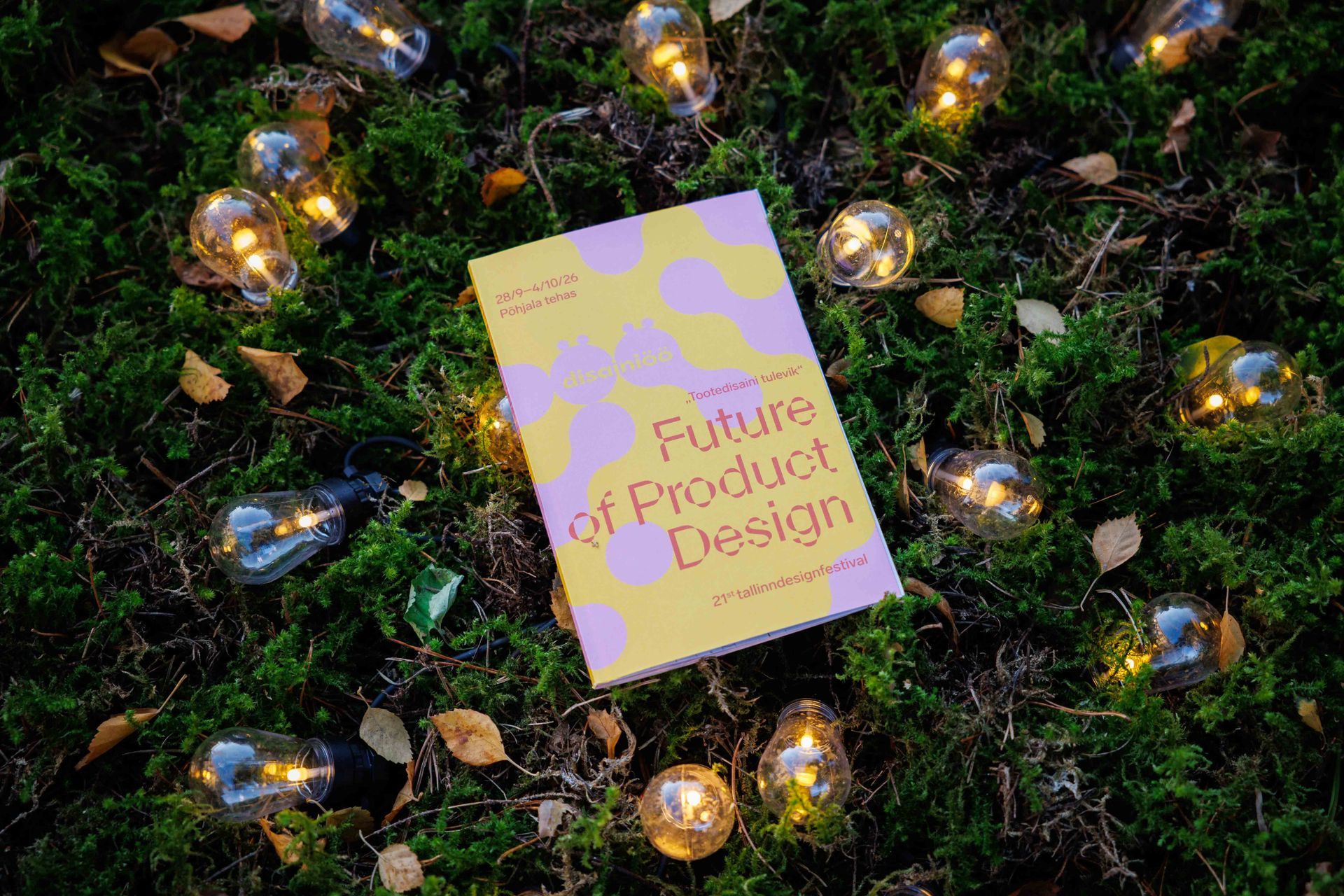
In the design world, the excitement of a new idea can quickly become an invitation to produce. A new material suggests a new application, or a new technology makes another form possible, or maybe a new trend creates demand for another variation. Yet, possibility alone doesn't establish its necessity. This distinction has been discussed during the international conference Future of Product Design, where designers and industry professionals examined the relationship between technological innovation (above all the use of AI), responsibility and the changing conditions of everyday life.
Hallgrim Sagen, from Lomi Agency, addressed how design can become a strategic business tool. His approach placed the identification of the right problem before the search for the right solution. It is a deceptively simple principle: if we misunderstand the problem, even the most sophisticated product may be unnecessary.
So, is a new object genuinely improving an experience? Does it respond to a need that existing products cannot meet? Could the same result be achieved by adapting, repairing or rethinking something already available? These questions should give the direction to create a new product because the role of design is not simply to generate possibilities, but to investigate them, test their relevance and understand their consequences. Research, observation and critical thinking are not preliminary formalities before the creative work begins; they're part of the creative work itself.
Finnish designer Ilkka Suppanen explored the relationship between lightness, materials and meaningful design. His work with glass offers a reminder that innovation does not always require imposing something entirely new on a material. Sometimes, the more interesting question is what the material already has to offer. Its qualities, limitations and possibilities can become the starting point for a design rather than obstacles to overcome. The resulting object may be innovative precisely because it understands its material instead of trying to make it behave like something else. Ilkka's reflections also suggest that strength and fragility are not necessarily opposites. A product does not need to be visually heavy or physically imposing to be resilient. Flexibility, adaptability and a thoughtful relationship with materials can offer their own forms of durability.
While Jean-Louis Frechin, founder of NoDesign, approached objects through their relationship with technology and everyday life, emphasising the cultural dimension of design. A product carries traces of the place and context in which it was conceived: its traditions, technical knowledge, values and ways of living.
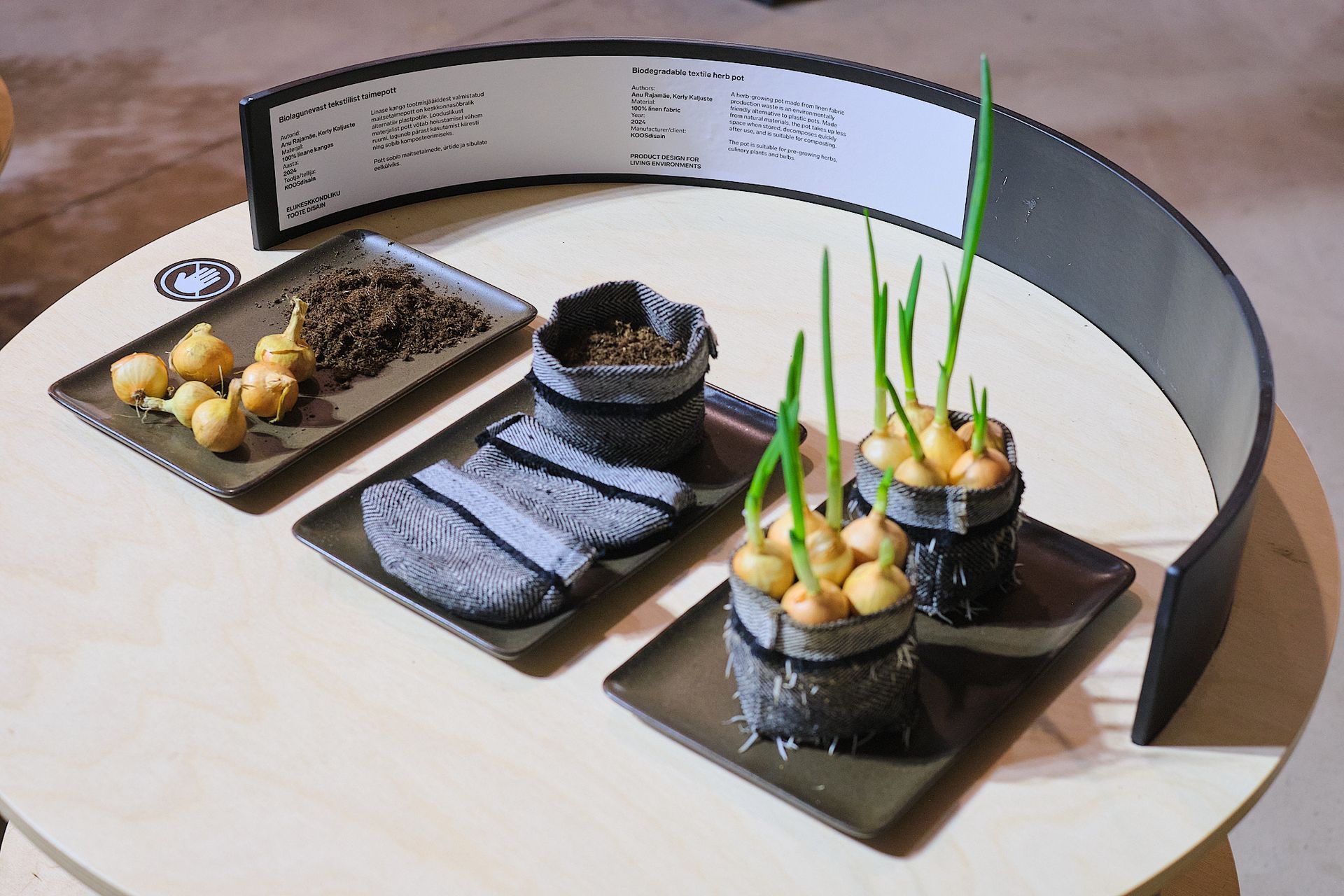
Can we create more by producing less? The environmental dimension of this debate is unavoidable. Every product requires resources, energy and processes that extend far beyond its appearance. When an object becomes obsolete, breaks or is discarded, the consequences of its production do not simply disappear. Luke Pearson of Pearson Lloyd addressed the need for design to respond to a changing world, including the consequences of climate change and the transformations in how people use their environments. His perspective on adaptability also connected to the experience of the pandemic, which altered our expectations of offices, personal space and the relationship between working and living.
These changes raise a fundamental question: should every new need lead to a new product, or can existing products and environments be adapted to accommodate it? For ex., to replace a damaged component without discarding the whole product, or to separate and return to circulation the material, etc. It's a real practical question - designers can make longevity, repair and adaptability part of the original concept.
In this light, Jenny Nordberg's reflections on working independently as a designer highlighted the creative possibilities of local production and unconventional material choices. Transforming inexpensive, unwanted or overlooked materials into desirable, high-quality products requires a different kind of ingenuity from simply selecting a new material from a catalogue. The creative achievement lies in recognising potential where others see little value.
Siim Karro, co-founder of Myceen, presented the journey of building a company around mycelium-based materials, illustrating how alternative material research can open new directions for product development. Meanwhile, Jaume Domenech of Vitra addressed sustainability and responsibility in product design, bringing the discussion into the context of engineering and industrial production.
Together, these perspectives suggest that the future of design cannot depend on novelty alone. It must also consider how things are made, what they are made from and what happens to them after their first life. Sometimes, a new product is necessary. Sometimes, the more intelligent solution is to improve an existing one.
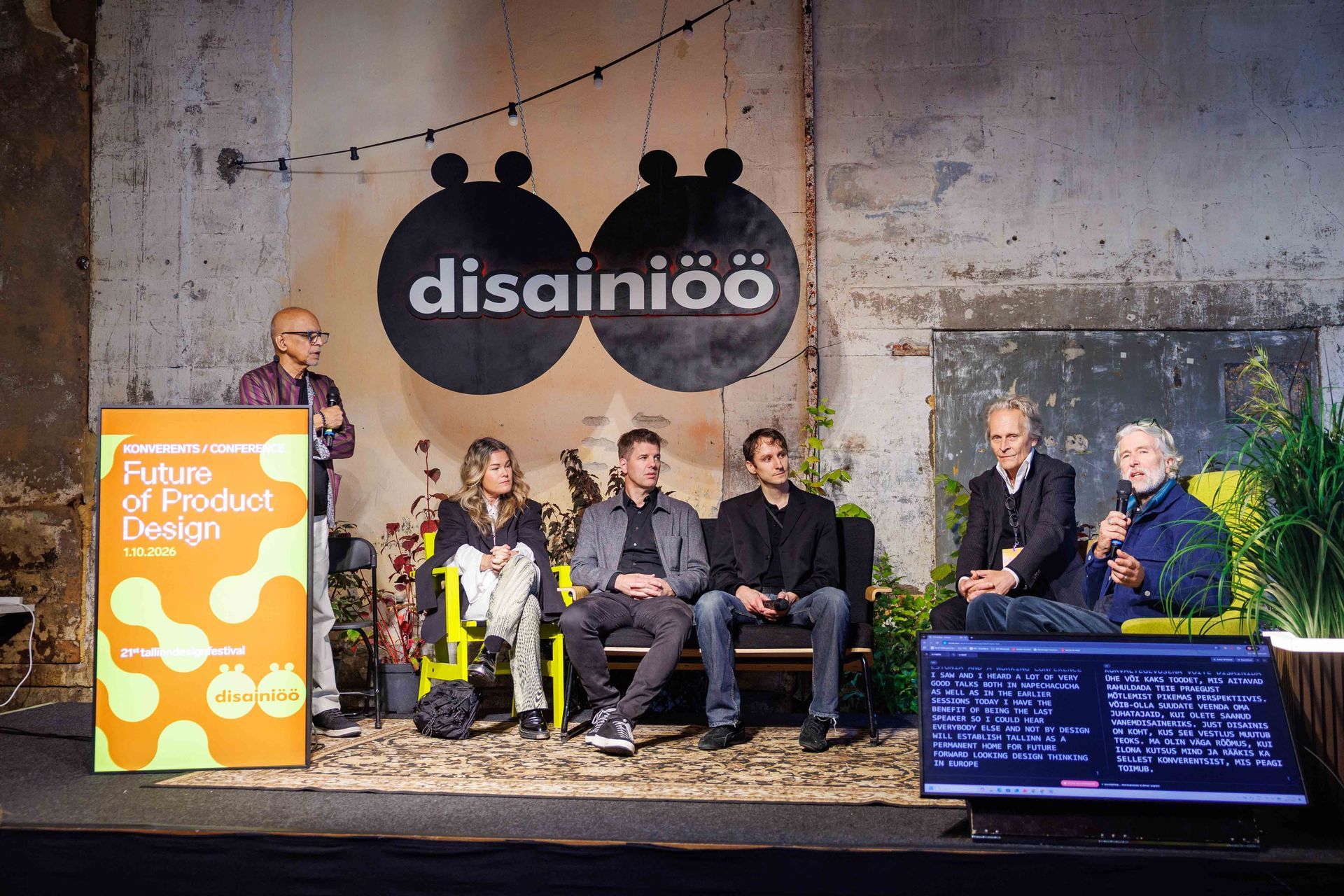
Naturally, the topic of technological innovation was addressed - covering the latest discoveries and, above all, AI: its uses, its potential, the impact it has already had on our lives, and, most importantly, the phenomena we will encounter in the coming years.
Richard Hall’s discussion of CGI and digital visualisation highlighted the gap between what can be represented and what is truly feasible or worth producing. Similarly, AI can generate countless alternatives, but designers remain responsible for questioning, evaluating and selecting the ideas that genuinely matter. Technology can support more sustainable production, but it can also accelerate unnecessary consumption. Ultimately, innovation depends not on the tools we use, but on the problems we choose to solve.
A product may be unnecessary for one person and essential for another. Design must consider different needs, abilities and experiences rather than focus solely on aesthetics or market demand.
Srini R. Srinivasan highlighted the social responsibility of design. Projects such as Able, created for people with disabilities, demonstrate how thoughtful design can promote accessibility, independence and dignity.
The challenge is not simply to produce fewer objects, but to create products that make a meaningful difference.
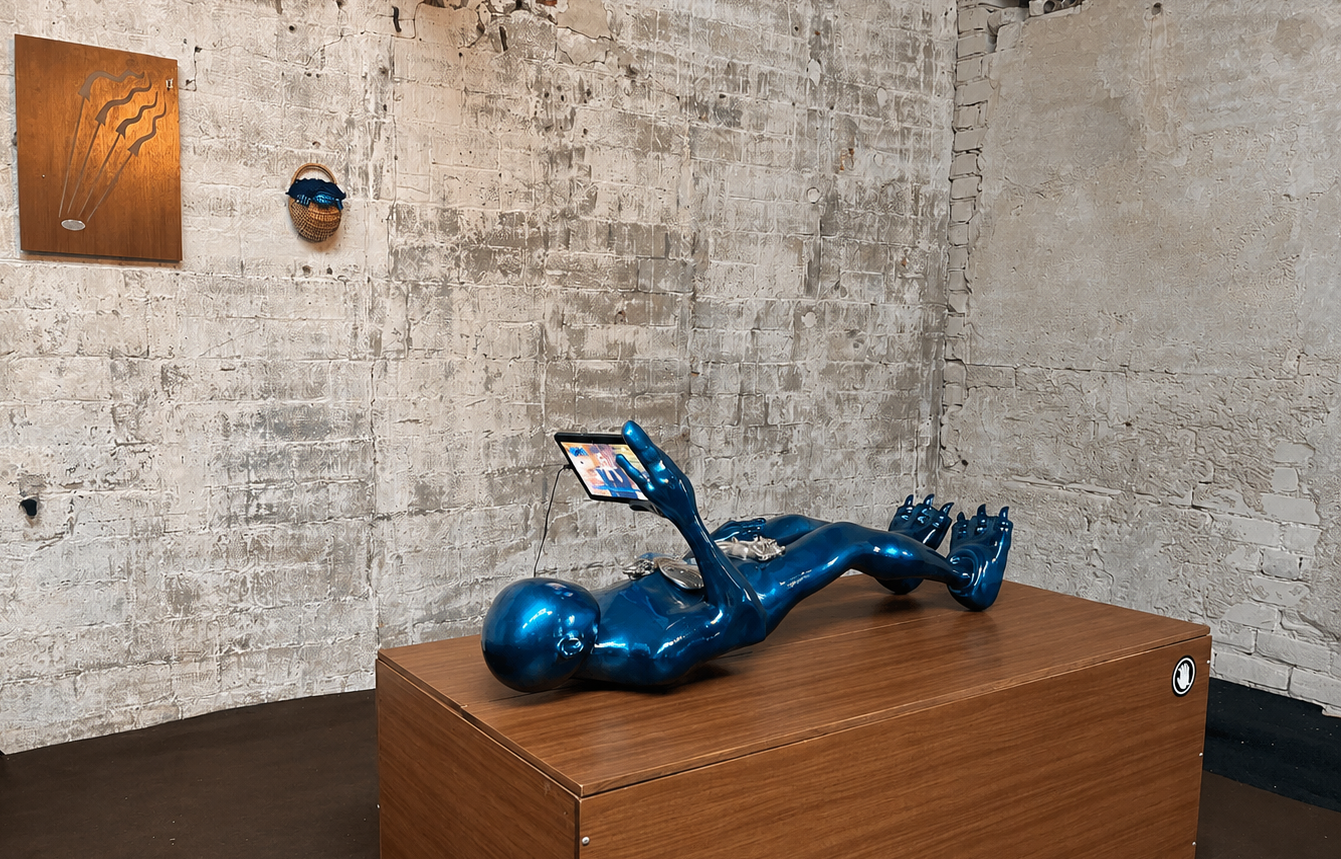
At TDF design extended beyond the objects on display, developing through the relationships with the exchange of ideas and experiences. We are invited to reconsider the moment before creation: the decision to make something and the reasons behind it. The future of design will not be measured by how much we produce, but by how thoughtfully we choose what deserves to exist.
SHARE THIS
Contribute
G&G _ Magazine is always looking for the creative talents of stylists, designers, photographers and writers from around the globe.
Find us on
Latest News


Subscribe
Keep up to date with the latest trends!
Popular Posts