What you wouldn’t expect at TDF: a week of exhibitions, international encounters and creative experimentation
The 21st edition of Tallinn Design Festival, held from 28 September to 4 October 2026, offered a rich illustration of a design scene that extends far beyond the object, and beyond the walls of a single venue. Under the theme Future of Product Design, the festival explored how sustainability, adaptability, technological change and material awareness can inform the next generation of products and services.
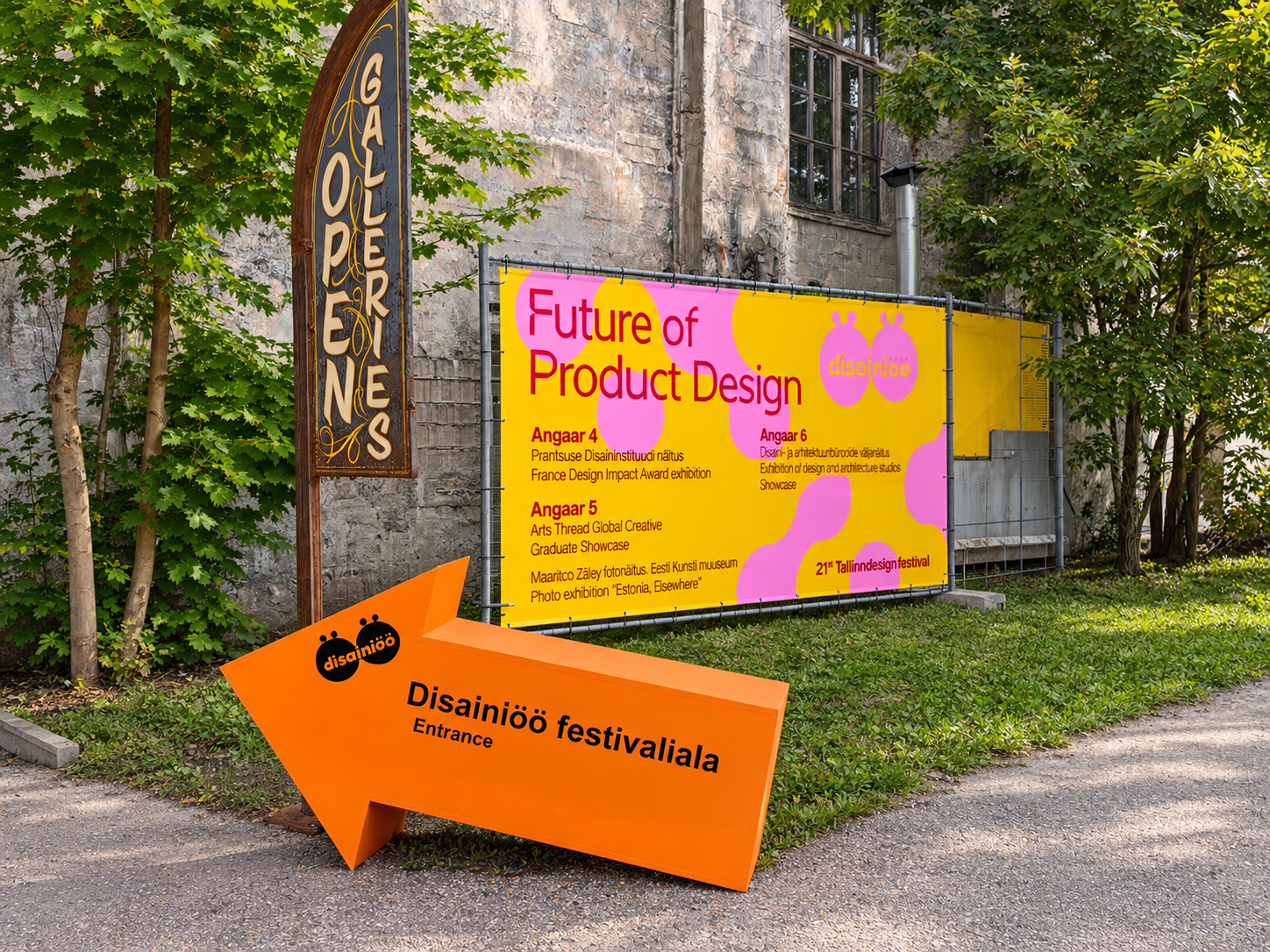
The city of Tallinn has increasingly become a meeting point for conversations about design, bringing together local talent, international perspectives and new ways of thinking about the objects. But what made the festival worth discovering was not simply the number of events on its programme. It was the breadth of disciplines, the opportunities for direct exchange and the sense of community connecting the people behind the projects. From product design and architecture to fashion, photography, graphic arts and experimental materials, Tallinn explored every part of the design field.
The festival's main venue, the former industrial complex Põhjala Factory, has developed into a creative environment where studios, offices, cultural activities and events coexist. The presence of this established creative community makes the venue feel like more than a temporary exhibition space: here you can go any day and meet artists, designers and creators to connect with them directly.
While during the seven days of the festival, the factory was more than a simple design fair venue. Installations, photography, music, art and independent creative initiatives contributed to an environment in which visitors could encounter design through different senses and experiences. The festival's appeal lay partly in this openness: visitors did not need to approach every project as specialists to find something worth discovering.
With more than 10,000 visitors and approximately 15% of attendees coming from abroad, Tallinn Design Festival demonstrated its ability to attract both a substantial audience and an international community. Its reach extended beyond the physical event, generating around 600,000 social media impressions and more than 60 features in local and international media.
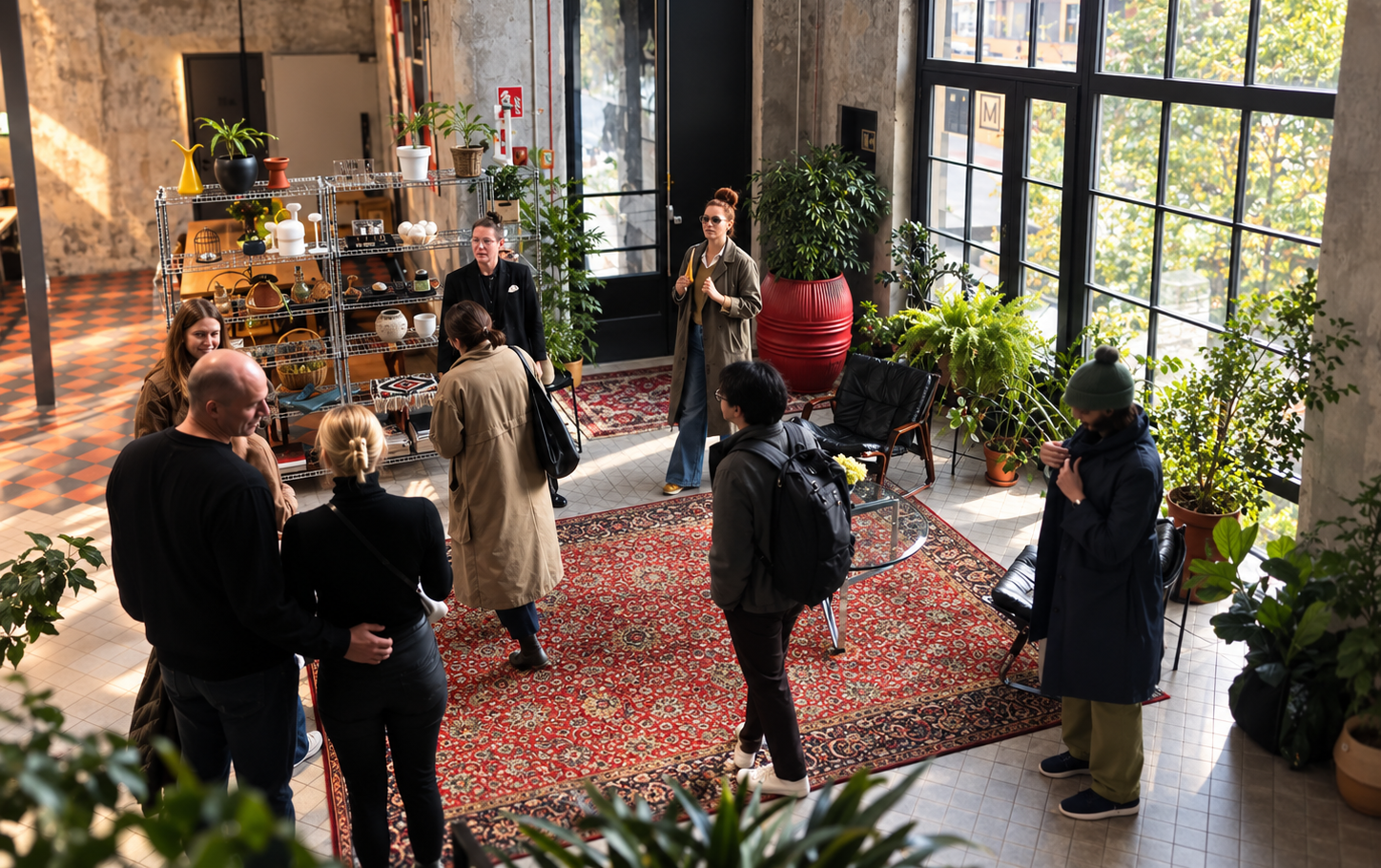
Beyond the product design and without rigid boundaries, the programme INTERIOR+ brought Estonian and international manufacturers together in an industrial setting that offered an alternative to the conventional trade-fair environment, presenting furniture and interior products in a more immediate relationship with their surroundings.
Fashion also had a prominent place. The opening evening on 28 September included DOM – Design Is in Fashion, a performance bringing together contemporary Estonian clothing and accessories designers. Rather than treating fashion as a separate industry, the event demonstrated how clothing design combines material knowledge, craftsmanship, technology and experimentation with questions of identity and cultural expression.
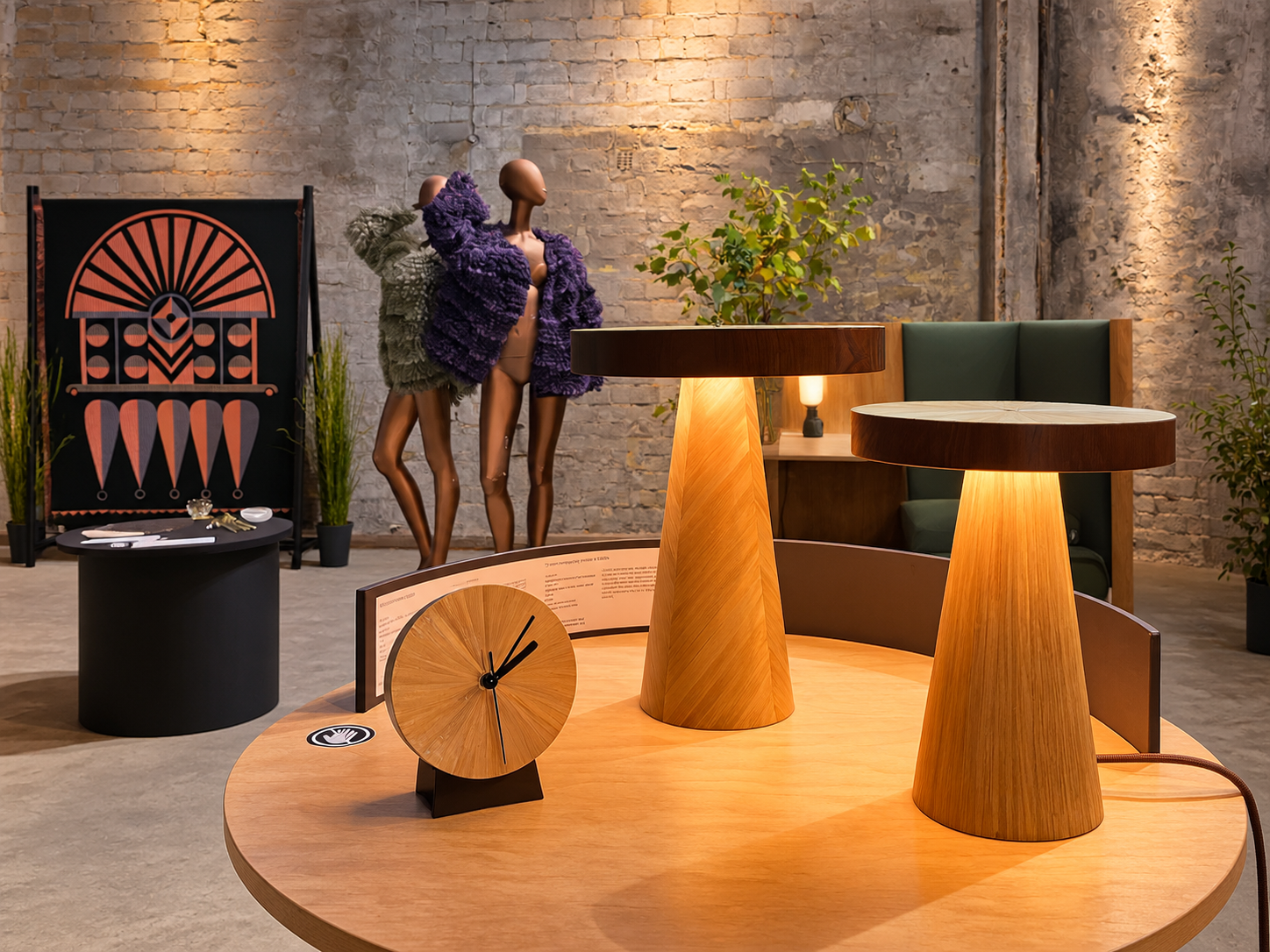
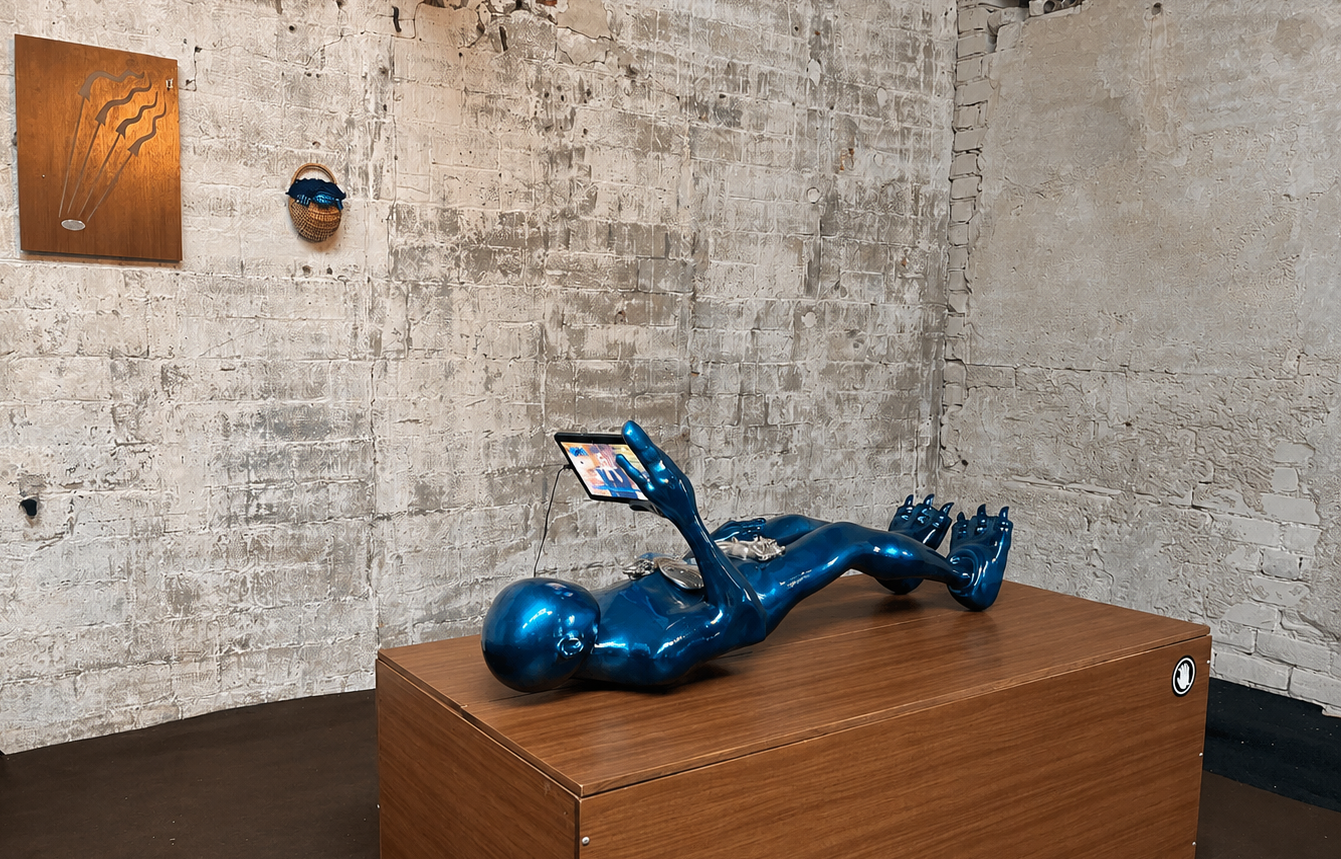
The wider programme included exhibitions exploring graphic design, photography, contemporary art and emerging talent. Among them, the Arts Thread Global Creative Graduate Show brought together 30 works by emerging designers from around the world. Its projects addressed subjects ranging from biodegradable inks and food-waste lighting to products designed to return to the earth and tools intended to restore dignity. These works offered a glimpse of how a new generation is approaching design through experimentation and social and environmental awareness.
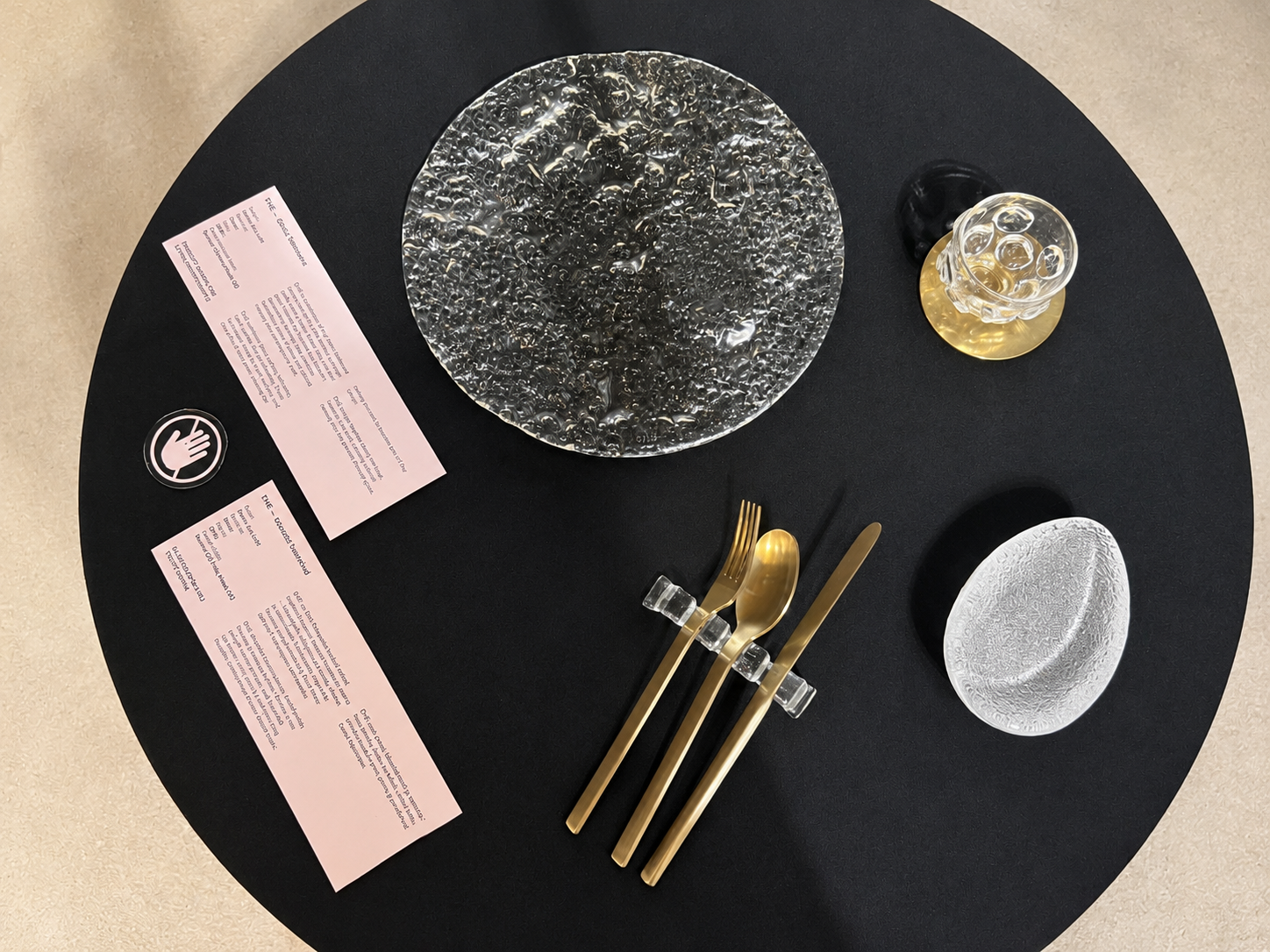
One of the festival's goals, and also the most intriguing aspect for visitors, was to discover Estonian design and find inspiration in it. Here, TDF offered several points of entry!
The BRUNO 2026 product design exhibition offered the perspective that brings together innovative products and product series developed over the preceding two years. The Estonian Design Awards, presented biennially, recognise achievements across product, graphic, web and service design as well as emerging talent and lifetime contributions.
At the same time, Tallinn wasn't looking inward. International exhibitions and collaborations brought other design traditions into the conversation. Indeed, the international programme, alongside its satellite events, offered opportunities to encounter perspectives from beyond Estonia, including French and Swedish design. This exchange is particularly valuable in a region whose creative identity is shaped by both local heritage and international dialogue. Estonian designers draw on their own cultural references, materials and traditions while responding to shared questions about technology, sustainability and the future of everyday life.
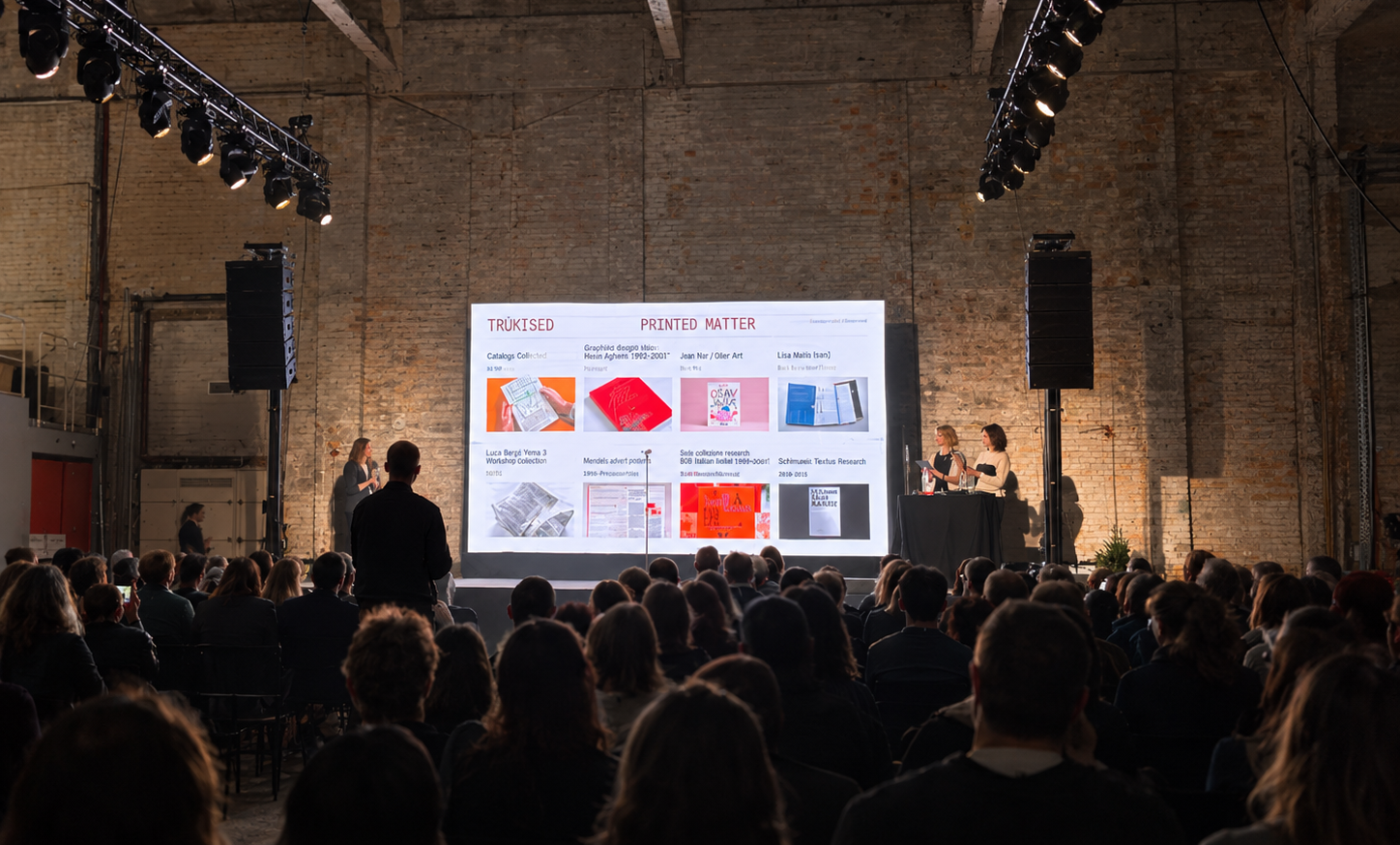
One of the festival's most valuable dimensions was its capacity to connect people directly with the ideas and individuals behind the work. The international conference Future of Product Design brought together designers, strategists and industry representatives to discuss the changing responsibilities of design in a world affected by technological acceleration, environmental pressures and geopolitical uncertainty. The programme addressed artificial intelligence, circularity, material innovation, design strategy and the relationship between creativity and business.
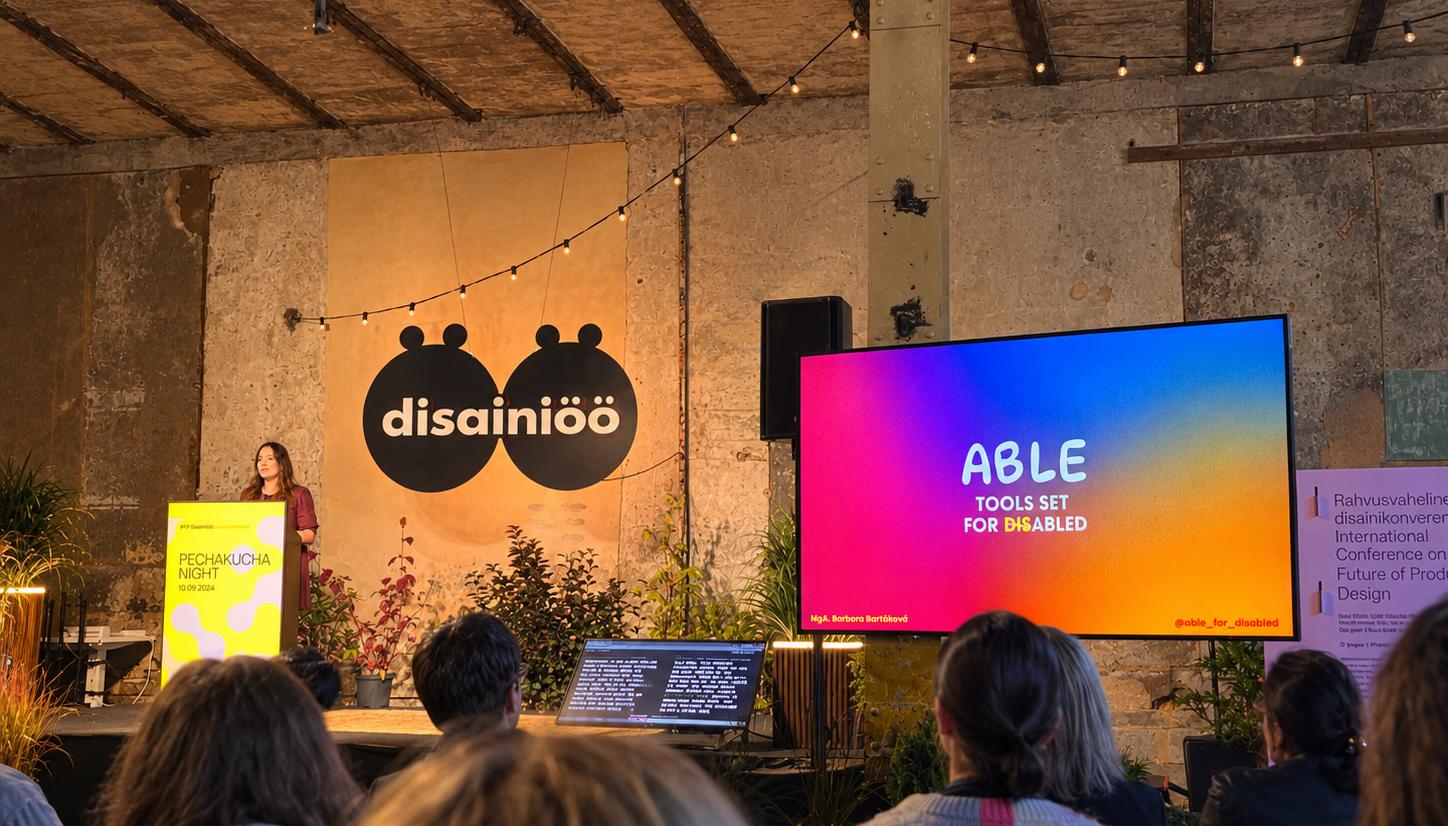
The festival also created opportunities for less formal exchanges. For example, PechaKucha Night Tallinn used its characteristic format of 20 slides presented for 20 seconds each to encourage concise, accessible presentations of ideas. Its rhythm challenged speakers to communicate complex subjects clearly, while giving audiences the opportunity to encounter different creative perspectives in a single evening.
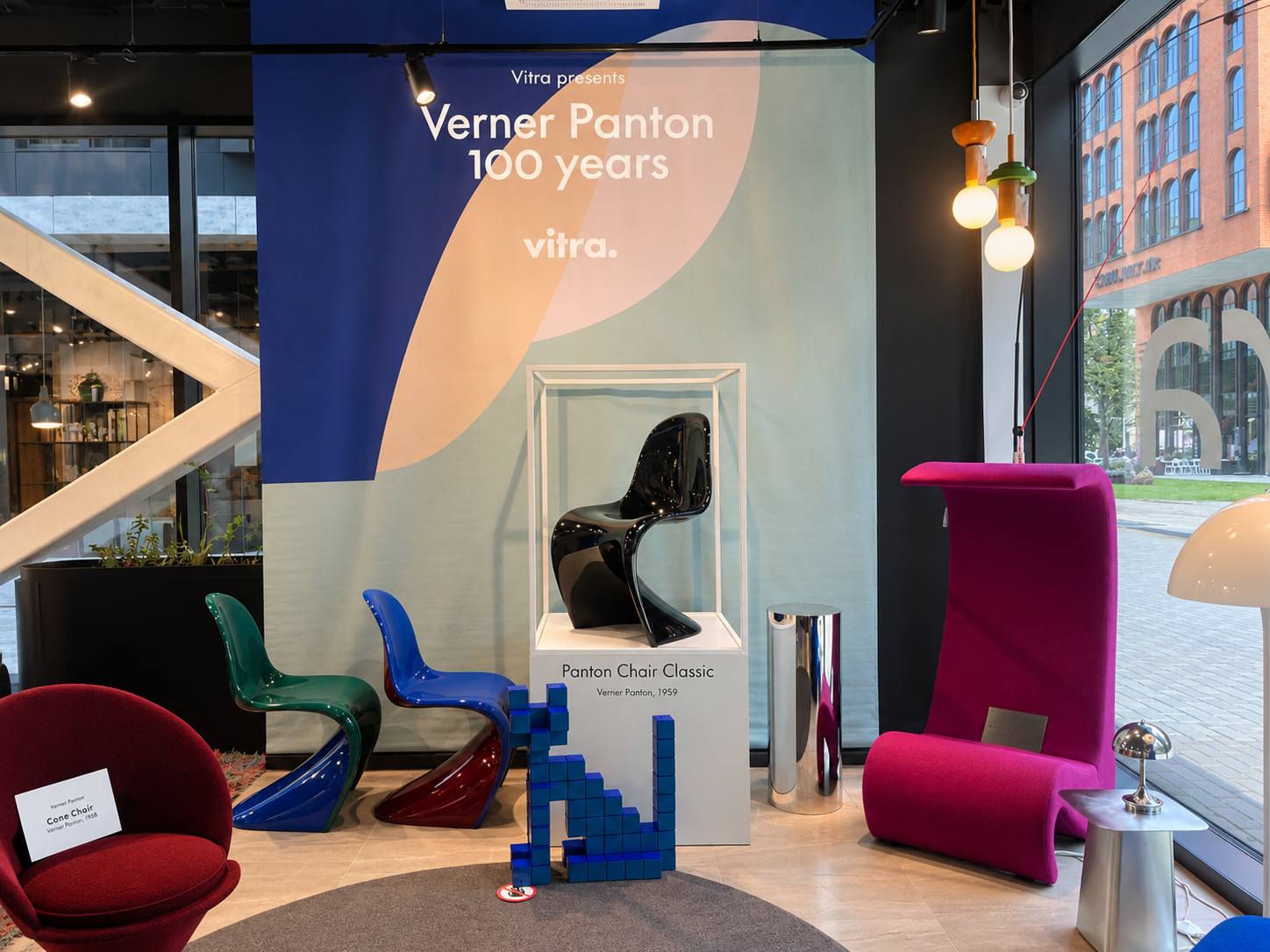
Studio tours, showroom presentations, exhibitions and satellite events extended this exchange across the city. In this way, the programme encouraged visitors to discover Tallinn's wider network of studios, galleries, shops and creative spaces.
"...this combination of formal discussion and direct encounters can be as valuable as the exhibitions themselves. It creates opportunities to discover potential collaborators, understand different approaches and develop relationships that may continue after the festival ends."
Ilona Gurjanova, Main organiser of TDF & Founder of Estonian Design House
The most compelling reason to pay attention to Tallinn, therefore, may not be any single object or exhibition. It's the ecosystem that allows different ideas to meet, challenges assumptions and gives designers the opportunity to test what design can become next.
The Official Website www.disainioo.ee
SHARE THIS
Contribute
G&G _ Magazine is always looking for the creative talents of stylists, designers, photographers and writers from around the globe.
Find us on
Latest News
Subscribe
Keep up to date with the latest trends!
Popular Posts