Do We Need More Products? Tallinn Design Festival Rethinks the Future of Design
From AI and mass production to materials and responsibility, the 21st Tallinn Design Festival explores the future of product design through exhibitions, talks and events across Estonia’s capital, from 28 September to 4 October 2026.
“Will artificial intelligence replace designers?
Do we really need more products?
Who are we designing for, what should products be made of?
And what happens to them at the end of their lives?”
These aren't only the questions the organisers of Tallinn Design Festival asked themselves when shaping this year’s edition: they're questions we are all increasingly facing. And it is precisely from this reflection that the theme Future of Product Design emerges.
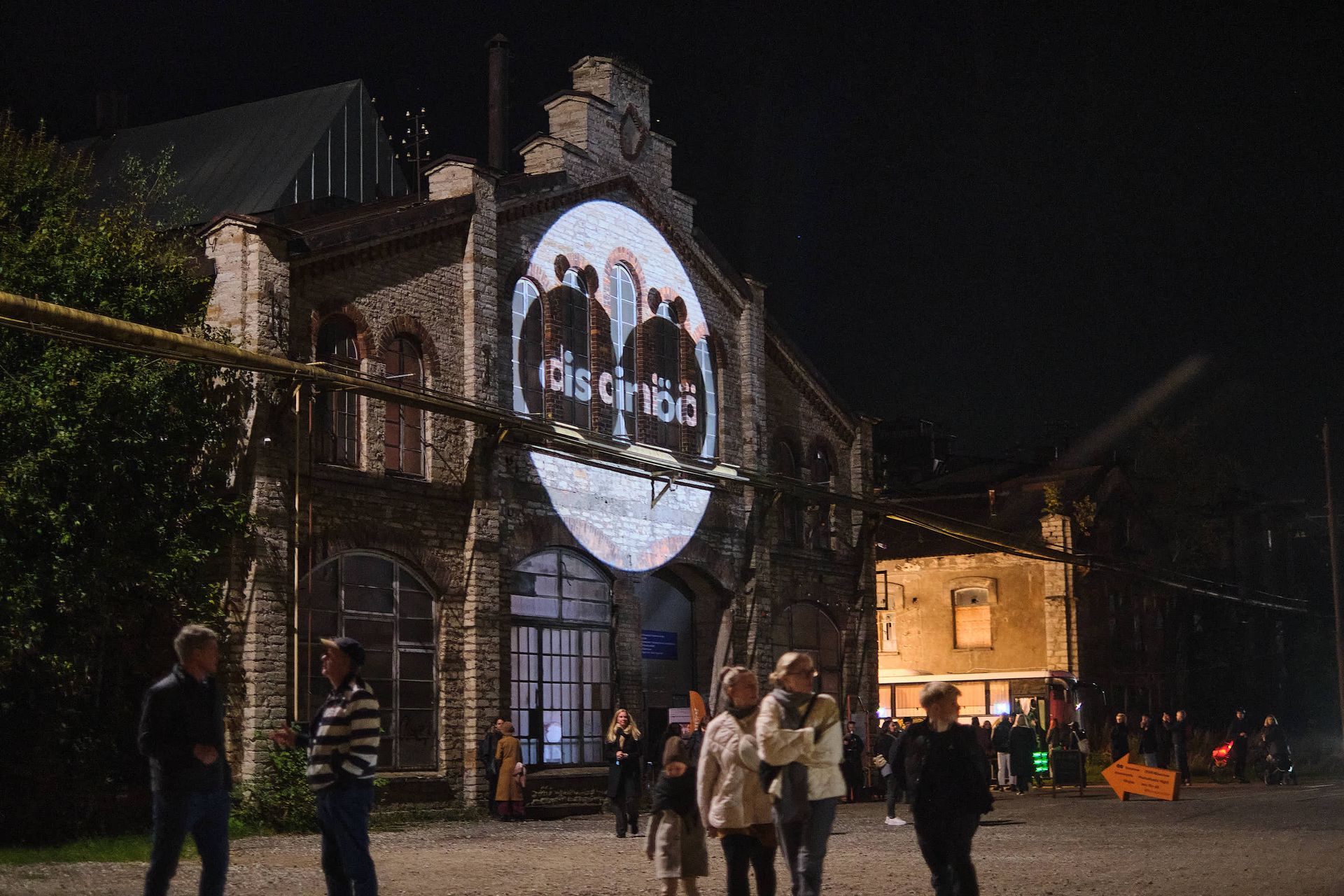
Also known as Disainiöö, the festival brings together internationally recognised designers, industry experts, material innovators and creative professionals for a week of exhibitions, conferences, fashion, workshops and events across Tallinn. Beyond being highly relevant today, the theme touches on decisions that will shape the future of design. As AI transforms creative industries and environmental pressures challenge conventional manufacturing, the festival turns its attention to the purpose, necessity and long-term impact of the objects we create and surround ourselves with.
The programme translates these questions into both professional debate and public experiences, combining exhibitions and talks with contemporary fashion, design awards, hands-on workshops, a design market and satellite events across the city.
DESIGNING THE PROFESSION OF 2036
What will it mean to be a designer ten years from now? On 1 October, the international Future of Product Design conference brings this question to the centre of the debate, gathering designers and industry experts to examine how the profession is evolving. AI inevitably enters the conversation: which parts of the design process could be automated, and how can designers embrace new technologies without losing critical thinking and creative independence? The debate also questions an increasingly blurred boundary between the digital and physical worlds, as photorealistic visualisations become almost indistinguishable from the products they represent.non fare
But technology is only part of the story. The conference turns to an equally urgent question: do we really need to produce so much? From mass production and material sourcing to repairability, reuse and the entire product life cycle, the discussion looks at how design can respond to changing environmental and social priorities.
Among the speakers are Luke Pearson and Richard Hall from the United Kingdom, Jean-Louis Frechin from France, Ilkka Suppanen from Finland, Jenny Nordberg from Sweden, Jaume Domènech from Vitra, Hallgrim Sagen from Norway, Srini R. Srinivasan from the United States and Estonia’s Siim Karro. Their perspectives span resilient design, digital visualisation, sustainable materials, contemporary design practice and the strategic role of design in business.
Date & Venue 1 October, 10:00 - 16:00, Põhjala Factory
THE MEANING OF WELL MADE
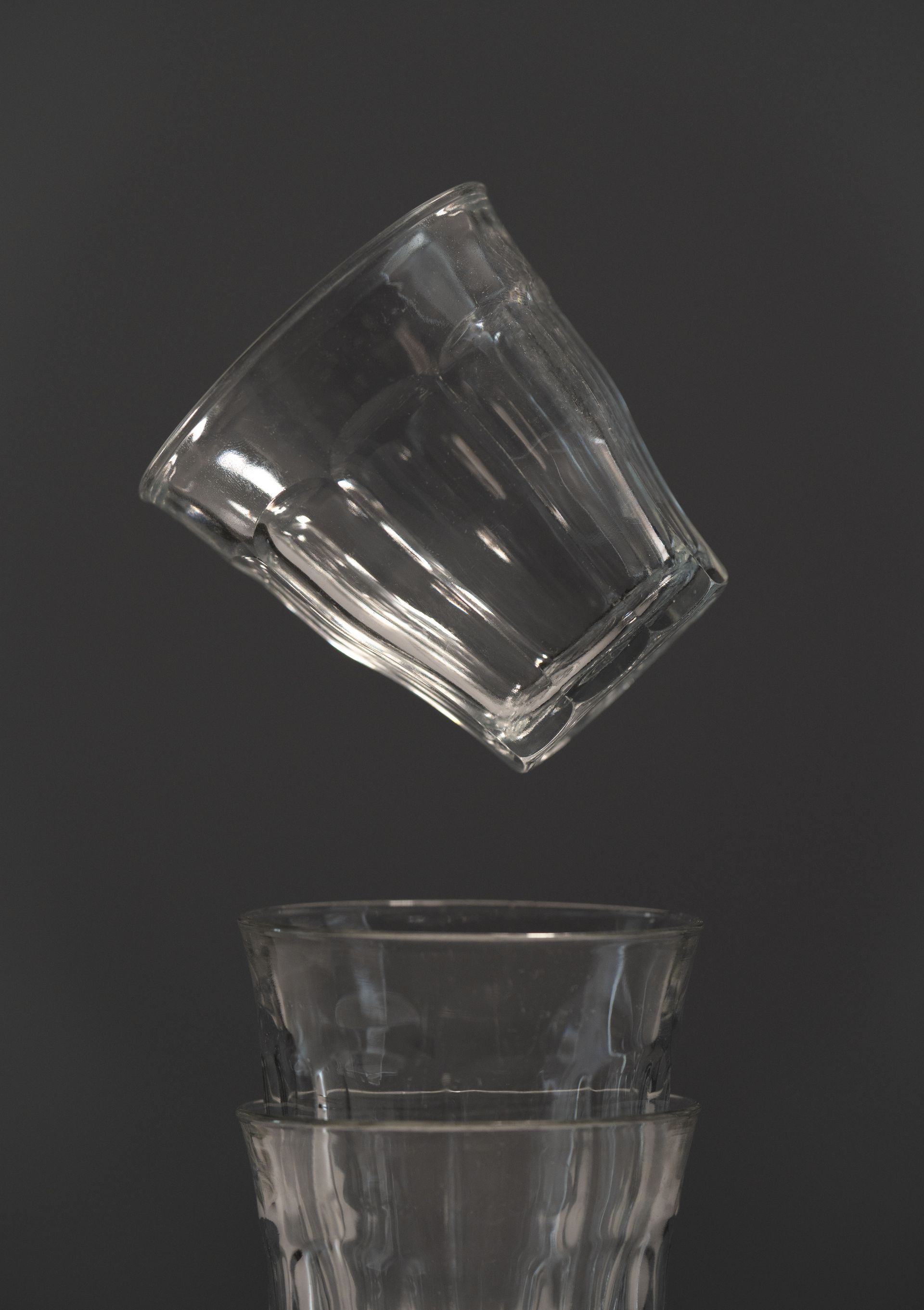
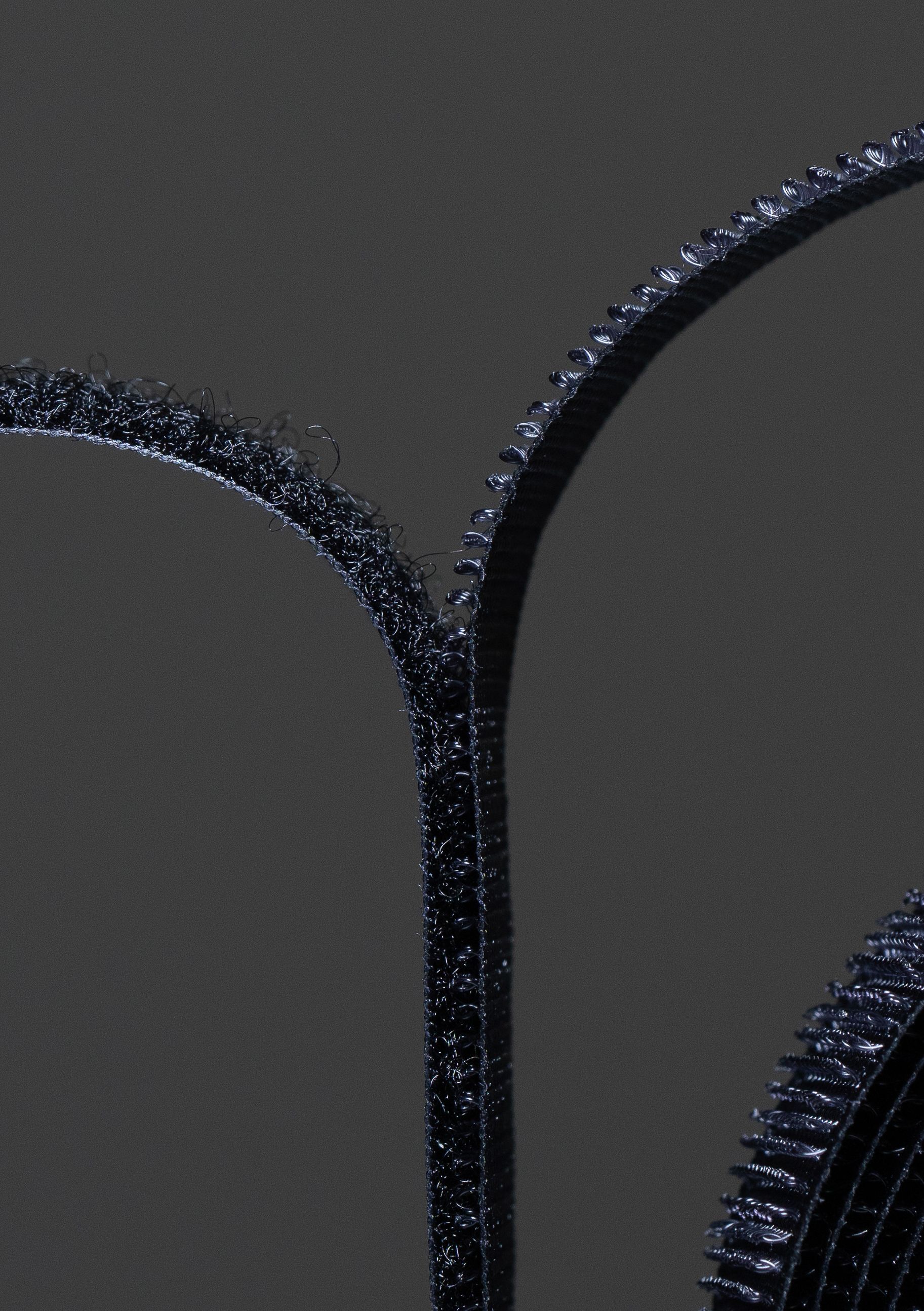
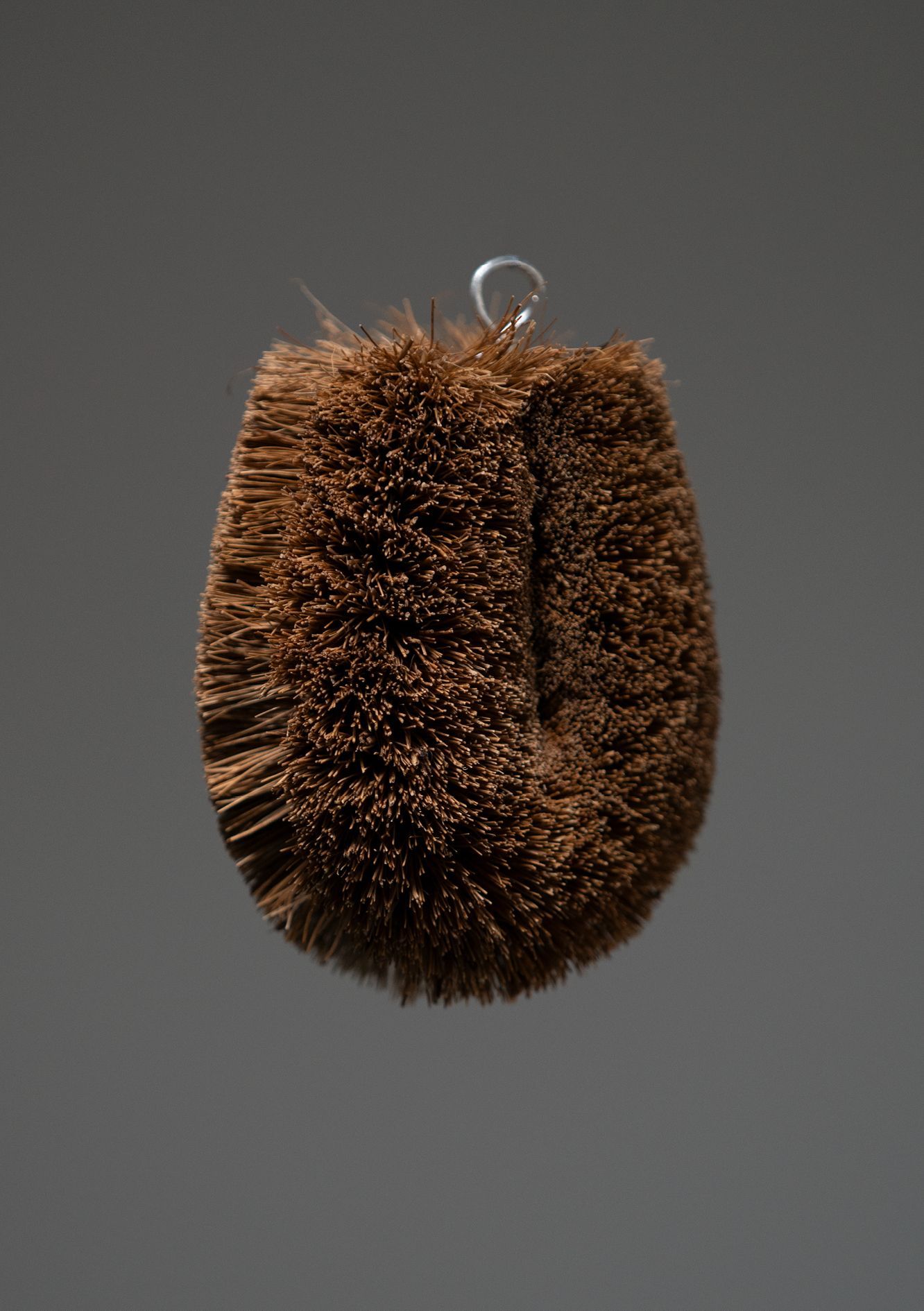
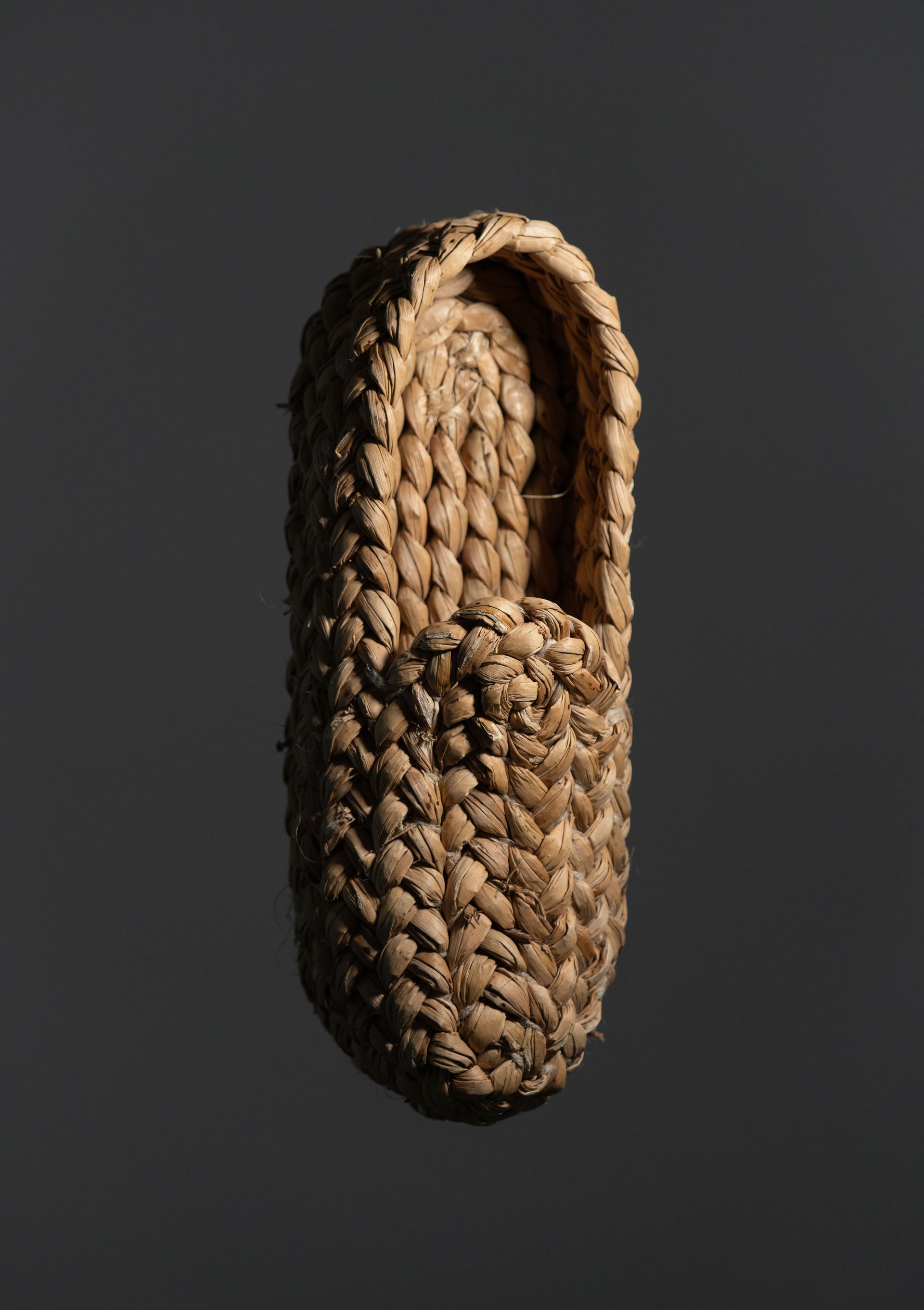
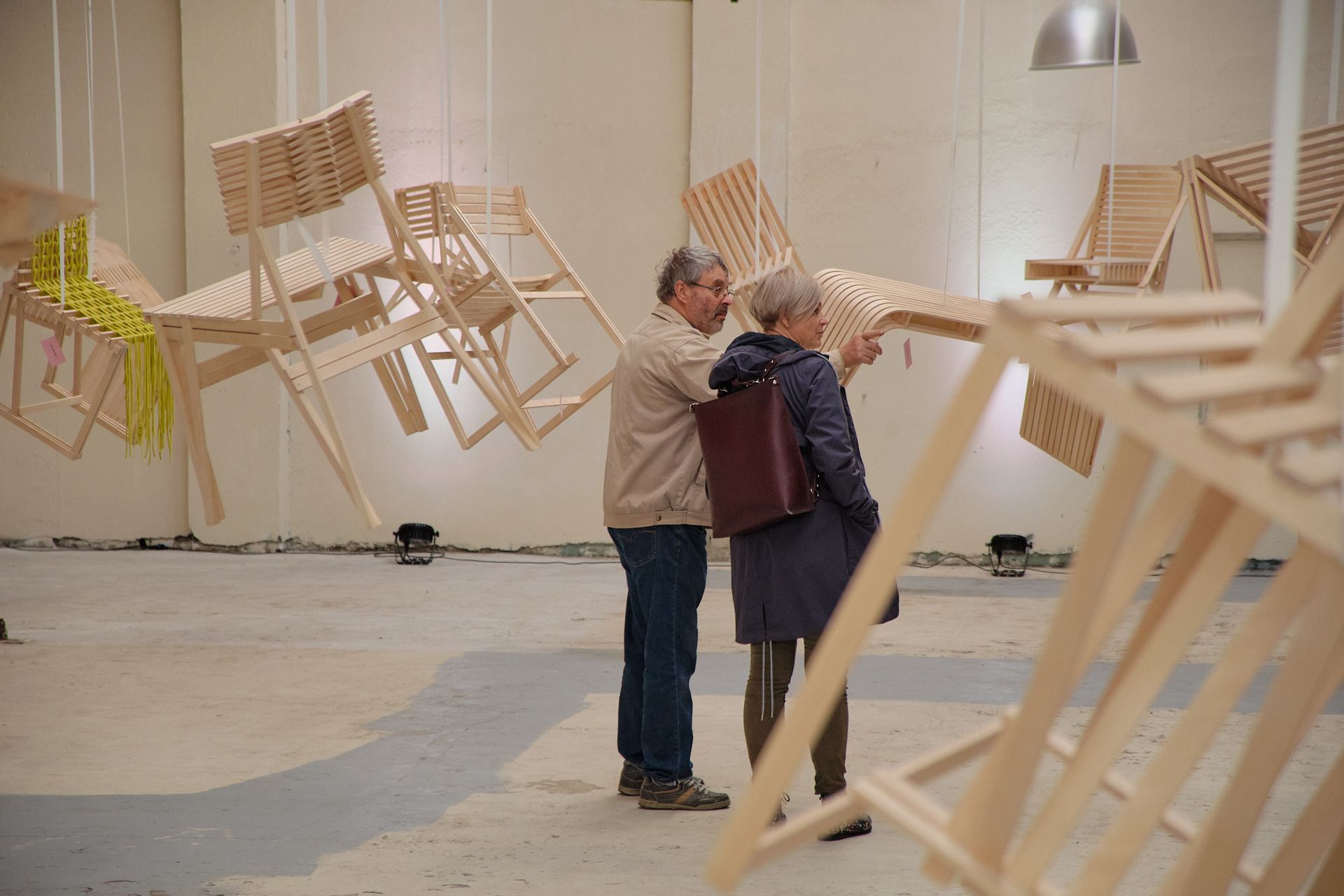
The exhibition Well Made – What It Means Today explores what makes an object genuinely well made. The answer doesn't necessarily lie in an expensive designer chair, an advanced technological invention or a visually spectacular object. Sometimes the clearest example of good design might be something as ordinary as a pocketknife: a useful object whose value lies in thoughtful construction, reliable materials, repairability and years of everyday use.
But even such a familiar object raises questions. Where did its materials come from? How was it manufactured? Can it be maintained or repaired? Will it remain useful for decades, and what will happen when it is no longer needed?
Curated by internationally recognised London design studio Pearson Lloyd, the exhibition explores how our understanding of quality must evolve in response to environmental challenges and changing production practices.
Following presentations at London Design Festival in 2024 and Copenhagen's 3daysofdesign in 2025, the exhibition arrives in Tallinn for its third chapter. Featuring nearly 50 objects, from everyday items to experimental design solutions, Well Made brings together different interpretations of quality, craftsmanship, materials and manufacturing.
The Tallinn edition connects international perspectives with Estonia's design community, exploring how local materials, skills and cultural traditions can contribute to contemporary design. Rather than presenting a single definition of good design, Well Made invites visitors to consider whether the objects we produce today deserve to exist tomorrow.
The exhibition opens on 28 September and is free to visit throughout the festival.
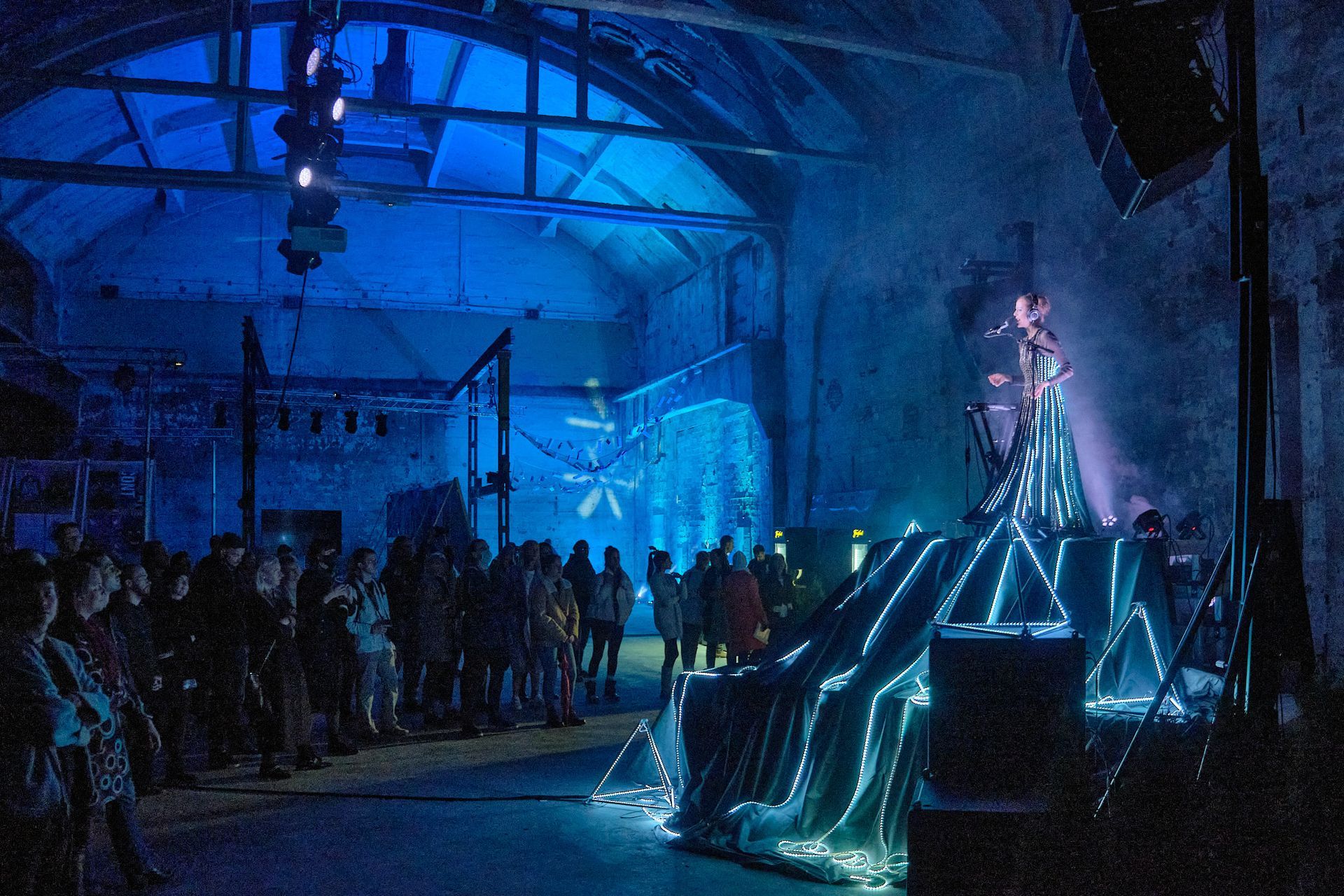
FROM MUSHROOMS TO BUILDING MATERIALS: ESTONIA'S MATERIAL INNOVATORS
The festival explores how new materials can move beyond experimental prototypes and become viable alternatives in industrial production.
Among the conference speakers is Siim Karro, designer and co-founder of Estonian biotechnology company Myceen, which develops mycelium-based materials. Having introduced its materials through lighting and interior products, Myceen is increasingly exploring applications in construction, including insulation. Karro will discuss why promising material innovations do not automatically reach widespread use and what it takes to establish trust in an unfamiliar material. Moving from a design object to a material suitable for thousands of buildings requires industrial capacity, compliance with technical requirements and economic viability.
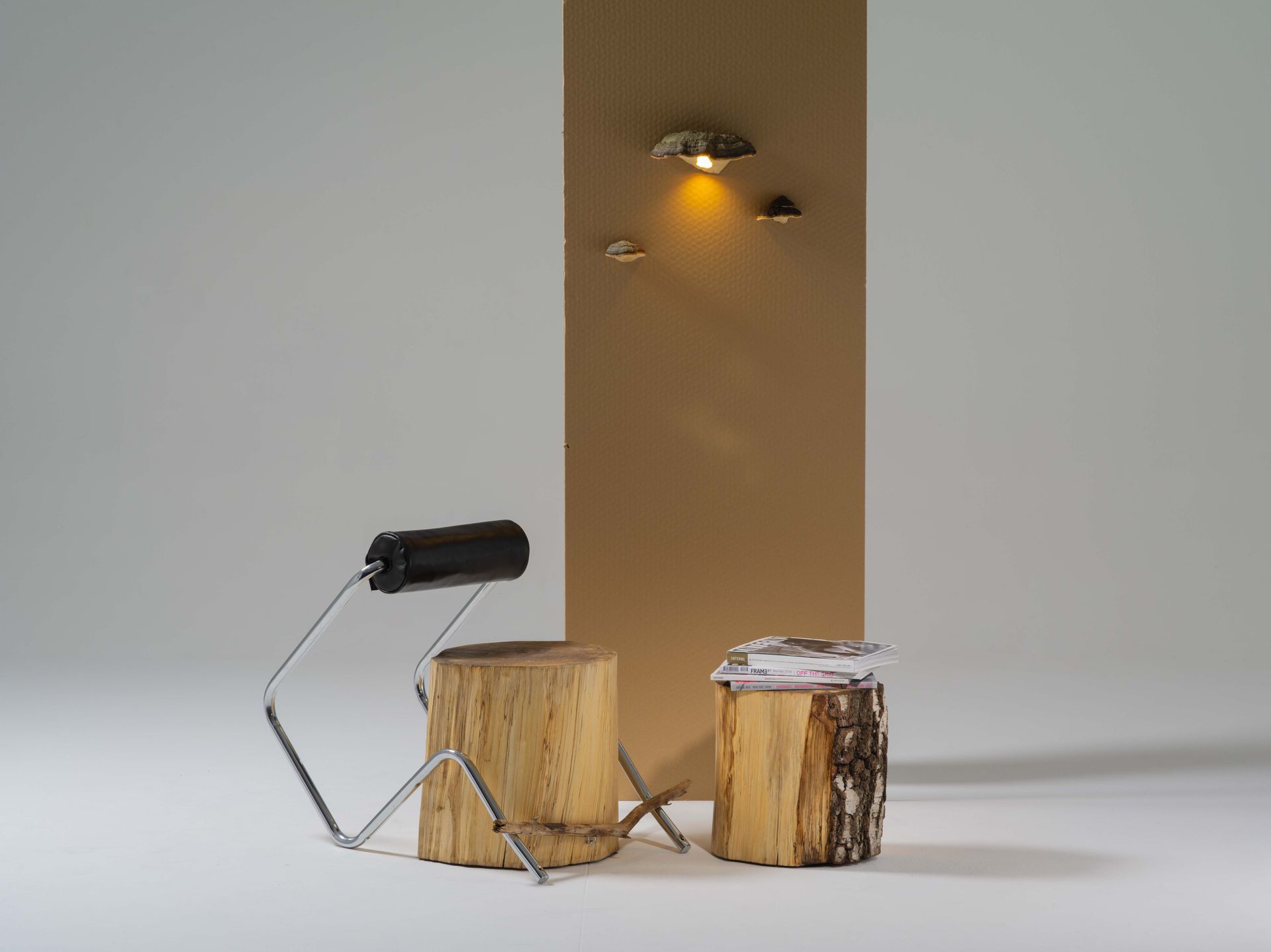
TOWARDS MORE RESPONSIBLE MASS PRODUCTION
The future of manufacturing runs throughout the festival programme. Exhibitions and discussions explore how products can be designed for longer lifespans, how existing materials can become resources for new products and how manufacturers can rethink conventional production models. The festival also highlights the role of design in shaping products that can be maintained, repaired, adapted, reused or recycled. This approach connects environmental responsibility with commercial reality: innovative products must not only offer compelling ideas, but also function effectively, meet production requirements and respond to genuine needs.
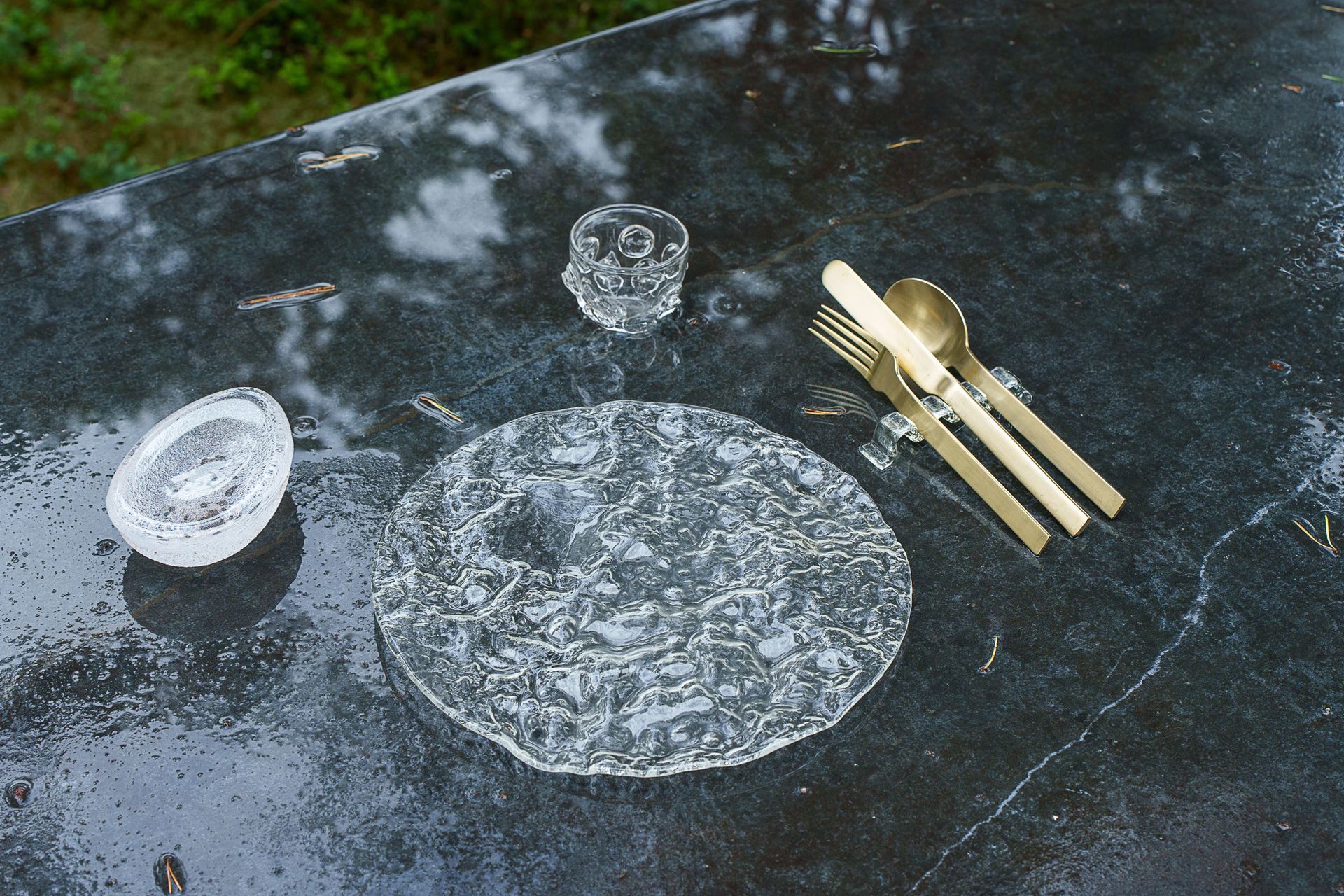
BRUNO AWARDS: CONTEMPORARY ESTONIAN PRODUCT DESIGN
The BRUNO Product Design Award exhibition presents recent developments in Estonian product design, showcasing products ranging from everyday objects to technically complex solutions. An international jury chaired by British industrial designer Luke Pearson will evaluate this year's entries.
The exhibition opens on 28 September, and the winners will be announced at the Estonian Design Awards gala on 2 October.
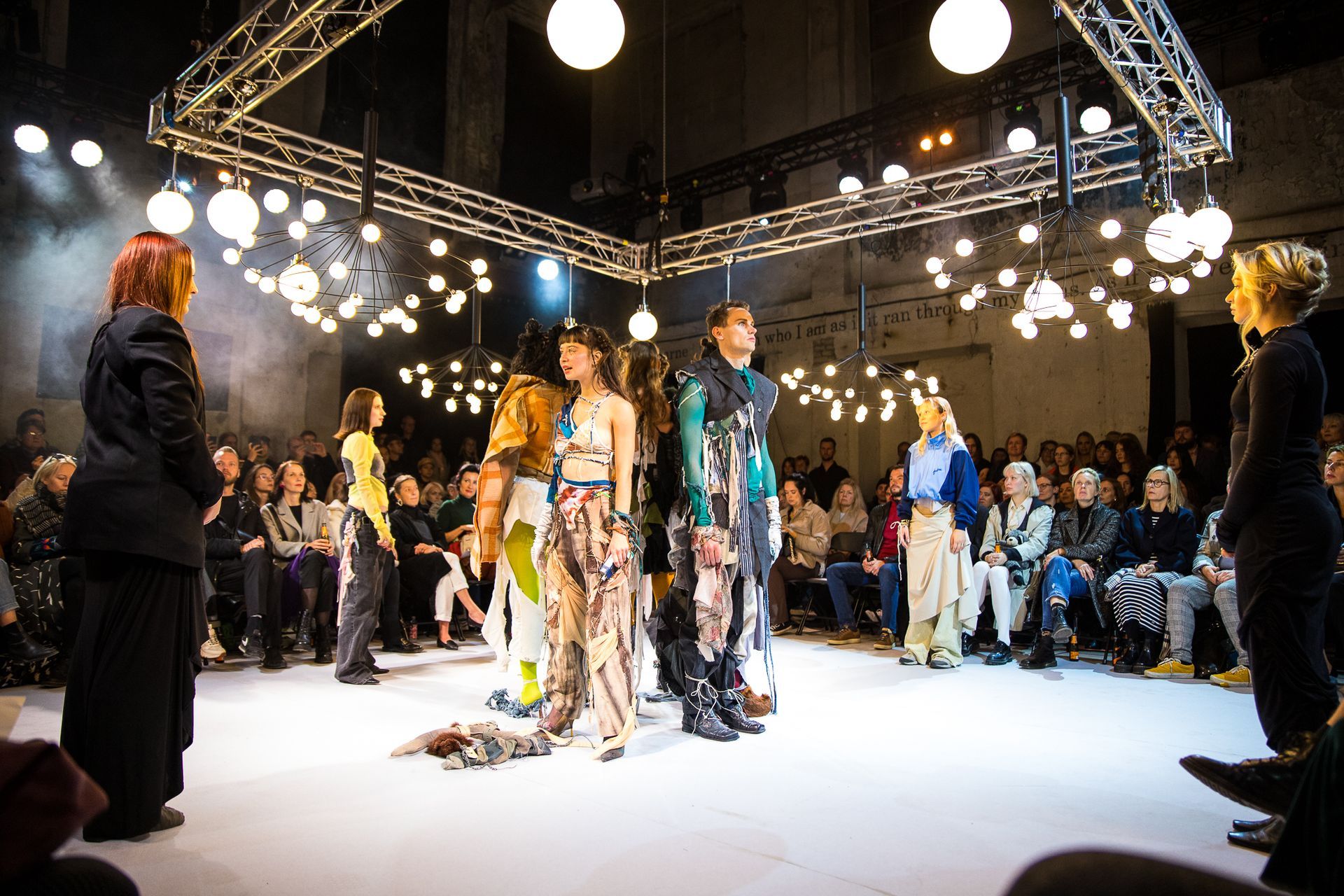
FASHION BEYOND TRENDS
The festival opens on 28 September with a series of exhibition launches, culminating in DOM – Design Is in Fashion, a contemporary fashion performance at Põhjala Factory. Four Estonian brands – Mekoome, Kairi Getman, Hannes Rüütel and Stella Soomlais – will present distinct approaches to contemporary fashion and accessories. Their work explores traditional craftsmanship, material reuse, personal identity and products intended to remain relevant beyond seasonal trends.
Stella Soomlais, celebrating its 15th anniversary, creates circular bags and accessories designed to be maintained, repaired, rented, passed on and redesigned.
Date & Venue 28 September, at 20:00, Põhjala Factory
CONNECTING ESTONIAN DESIGN WITH INTERNATIONAL MARKETS
Alongside its public programme, Tallinn Design Festival creates opportunities for international cooperation through Design Meets Estonia. Organised in cooperation with Enterprise Estonia / Visit Estonia and the Estonian Association of Designers, the initiative connects visiting journalists, conference speakers and international design professionals with Estonian designers and creative entrepreneurs. Networking events and curated visits introduce international guests to local brands, manufacturers and Estonia's wider design ecosystem, encouraging new partnerships and export opportunities.
KEY DATES
28 September: Festival opening and DOM fashion performance
28 September – 4 October: International exhibitions, workshops and satellite events
1 October: International Design Conference: Future of Product Design
2 October: Estonian Design Awards Gala
3–4 October: Design Street and weekend programme
SHARE THIS
Contribute
G&G _ Magazine is always looking for the creative talents of stylists, designers, photographers and writers from around the globe.
Find us on
Latest News

Subscribe
Keep up to date with the latest trends!
Popular Posts